China Best Aluminium Windows & Doors Suppliers?

Time:2026-11-13 Author:Liam
0%

Choosing China’s best Aluminium Windows & Doors suppliers takes more than comparing prices or polished catalogues. Buyers need evidence: tested thermal and air performance, consistent fabrication, dependable hardware, and clear quality-control records. Small details matter. Ask how suppliers protect frame corners, seal drainage paths, and prevent scratches during packing.

China’s National Bureau of Statistics reported 41.59 million tonnes of primary aluminium production in 2023. That figure shows the scale of the upstream industry, not the quality of any window factory. The International Energy Agency’s aluminium analysis also highlights the sector’s significant emissions footprint. Material sourcing and production efficiency therefore deserve attention alongside product performance. Bigger is not automatically better.

Building-science expert Dr. John Straube’s work on building enclosures offers a useful principle: assess a window as part of the complete enclosure, not as an isolated frame. A strong profile can still fail when installation details, glazing, or seals are poorly matched. This guide compares supplier capabilities, certifications, customization, lead times, and after-sales support. It also separates verifiable evidence from sales claims. Some supplier information is difficult to compare; that is worth acknowledging. Ask for recent test reports, project references, and sample inspections before making a shortlist. Shortlist carefully.
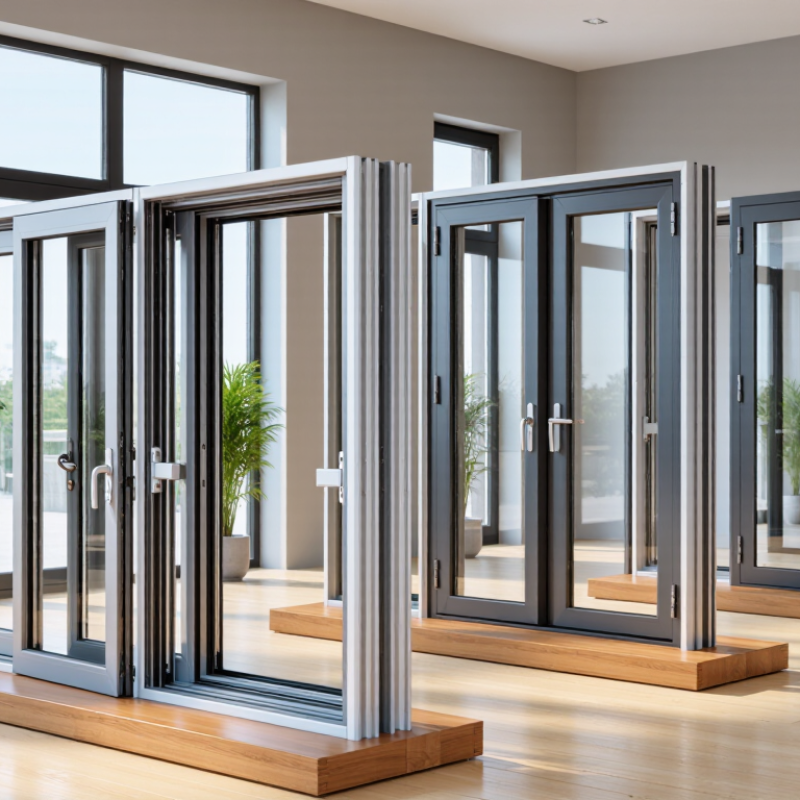
China Best Aluminium Windows & Doors Suppliers?

Aluminium Window and Door Systems: Frames, Glazing, and Opening Types

Aluminium window performance starts with the frame, not its finish. Look for thermal breaks separating interior and exterior aluminium, plus drainage paths that carry rain away from the sill. A slim profile can look elegant, but it may leave less room for insulation or hardware. Small details matter.

Glazing should match the building’s climate and orientation. The U.S. Department of Energy estimates that windows account for 25–30% of residential heating and cooling energy use. Compare independently rated U-factor and solar heat gain coefficient values, rather than relying on glass thickness alone. Low-emissivity coatings and double glazing can help, though their value depends on local conditions and installation quality.

Opening types affect ventilation, access, and sealing. Casement windows open outward and can catch breezes; sliding units save clearance but need clean tracks and well-fitted seals. Tilt-and-turn designs offer flexible ventilation, yet their hardware needs careful adjustment. For supplier comparisons, request section drawings, glass specifications, hardware details, and tested air- and water-performance results. A catalogue can look convincing. Site measurements and installation checks still decide whether the system performs as specified.

Supplier Materials: 6063 Aluminium Alloy, Temper, and Profile Thickness

When comparing China aluminium window and door suppliers, look beyond polished photographs. 6063 aluminium alloy is widely used for architectural profiles because it extrudes cleanly and accepts surface treatments well. The temper matters too. T5 and T6 describe different heat-treatment conditions, which affect mechanical properties; they are not interchangeable labels. Ask suppliers to state the alloy and temper on technical documents, then compare those details with the proposed window system. Details matter.

Profile thickness needs careful checking. A thicker wall is not automatically stronger or better. Performance also depends on frame geometry, sash size, corner joints, hardware, and reinforcement. Request section drawings that identify wall thickness at key locations, not just one headline measurement. If possible, inspect a cut sample with calipers and compare it with the drawing. Small differences can be easy to miss. Ask for proof.

Tips: Match the profile specification to the opening size and expected wind exposure. Ask for relevant test reports and written thickness tolerances. Check whether quoted dimensions describe the base aluminium profile or include separate reinforcement. A supplier may provide a convincing sample, yet production consistency is harder to judge. I would not rely on appearance alone; confirm specifications before placing an order.

Thermal Ratings: U-Factor (W/m²·K) and SHGC Under ISO 10077-1

China Best Aluminium Windows & Doors Suppliers?

For a fair comparison, ask for whole-window U-factor values, not glass-only figures. ISO 10077-1:2017 provides a calculation method for window and door thermal transmittance, including frame and glazing effects. Lower U-factor means less heat transfer. A difference of 0.2 W/m²·K can matter across a large glazed façade, but the quoted figure needs its boundary conditions and product configuration. It matters. The U.S. Department of Energy’s Energy Saver guidance estimates that windows account for 25–30% of residential heating and cooling energy use. That makes verified ratings more useful than vague claims about “thermal insulation.”

SHGC describes how much solar heat enters through a window; the best value depends on orientation, shading, and climate. Do not assume it is interchangeable with ISO 10077-1 U-factor. Ask suppliers to state the SHGC calculation or test method, such as ISO 15099, and confirm whether the result covers the whole window or only the glazing. Request reports for the exact frame, glass build-up, spacer, and opening size being quoted. A low U-factor can still disappoint beside a cold aluminium frame or poorly sealed joint. Paper ratings help, but installation details are not always captured in the product sheet. That gap deserves a closer look.

Weather Tests: EN 12207 Air, EN 12208 Water, and EN 12210 Wind Classes

China Best Aluminium Windows & Doors Suppliers?

Weather Tests: EN 12207 Air, EN 12208 Water, and EN 12210 Wind Classes

When comparing aluminium window and door suppliers in China, ask for test reports tied to the exact system and opening style. EN 12207 classifies air permeability; higher classes indicate tighter performance under specified pressure. EN 12208 measures resistance to water penetration, while EN 12210 rates resistance to wind load and deflection. These are not interchangeable numbers. A sliding door and a hinged window may perform differently, even when their frames look similar.

Read the report details, not just the class printed on a brochure. Check specimen dimensions, hardware, glazing, seals, and test pressure. For a coastal home, wind pressure and driving rain deserve close attention; for a quiet urban room, air leakage may affect comfort and energy use. Test results describe laboratory performance, not every installed opening. Poor shimming or an uneven sill can undermine a strong rating. Numbers need context.

Tips: Request complete, dated reports from an accredited laboratory, and confirm the tested configuration matches your project. Ask how installation joints are specified. If a supplier cannot explain the numbers clearly, pause and verify them. Good paperwork matters.

Supplier Verification: EN 14351-1 Declarations, Test Reports, and Warranties

When comparing aluminium window and door suppliers in China, ask for the EN 14351-1 Declaration of Performance relevant to the exact product. Check the manufacturer, product type, intended use, and stated performance values. A declaration for a sliding door may not cover a tilt-and-turn window. Details matter. Confirm which market and project the documents are intended for; requirements can differ.

Request complete test reports, not just a brochure or a cropped results page. Look for the testing laboratory, report date, sample description, and measured values for air permeability, watertightness, and wind load. Compare the tested frame size, glazing, hardware, and opening style with your order. A report for one configuration may not represent another. Paperwork can still leave gaps.

Read the warranty before paying a deposit. Check its duration, coverage for finishes and hardware, claim process, and responsibility for replacement parts or transport. Ask whether installation affects coverage, and get exclusions in writing. Keep the declaration, reports, approved drawings, and warranty together with the purchase contract. A neat file helps. Suppliers may respond slowly when a fault appears, so confirm a named contact and realistic response times. Even careful checks cannot remove every risk; they make differences easier to spot.

FAQS

Why is 6063 aluminium alloy commonly used for window profiles?

It extrudes cleanly and accepts surface treatments well. Still, the alloy alone does not determine overall window performance.

What is the difference between T5 and T6 temper?

They describe different heat-treatment conditions and affect mechanical properties. They are not interchangeable labels.

How should I check profile thickness?

Request section drawings showing thickness at key locations. Compare them with a cut sample using calipers. Small differences are easy to miss.

Does a thicker profile always make a stronger window?

No. Frame geometry, sash size, joints, hardware, and reinforcement also matter. One measurement cannot tell the whole story.

What do EN 12207, EN 12208, and EN 12210 measure?

They assess air permeability, water resistance, and wind-load performance, respectively. Their results describe tested configurations, not every installed opening.

What details should I check in a window test report?

Check the report date, specimen size, glazing, hardware, seals, and test pressure. The tested opening style should match your order.

What should an EN 14351-1 Declaration of Performance cover?

Confirm the product type, intended use, manufacturer, and stated values. A declaration for one opening style may not cover another.

What should I review in the warranty before paying a deposit?

Check duration, finish and hardware coverage, exclusions, claims, and replacement-part responsibility. Ask who handles installation-related issues. Paperwork helps, but it does not remove every risk.

Conclusion

Choosing reliable Aluminium Windows & Doors suppliers in China requires evaluating complete system performance, not just appearance or price. Review the frame design, glazing options, and opening types to ensure they suit the building and local conditions. Check that profiles use 6063 aluminium alloy, and confirm the temper and profile thickness against the intended application.

Compare thermal data, including U-factor and solar heat gain coefficient (SHGC), and ask for clear calculation details referencing ISO 10077-1. For weather resistance, look for test results showing air permeability under EN 12207, watertightness under EN 12208, and wind resistance under EN 12210. Before placing an order, verify that the supplier provides the relevant EN 14351-1 declarations, supporting test reports, and written warranty terms. A careful review of these documents helps buyers assess product quality, suitability, and supplier accountability.

Liam

Liam

Liam is a dedicated marketing professional with a profound expertise in the industry, where he excels at highlighting the unique advantages of our core products. With a keen understanding of market trends and consumer needs, Liam frequently updates our company’s professional blog, providing......