Choosing an Aluminium Sliding Window in 2026 is not just a style decision. It affects daylight, ventilation, energy use, and how easily a room connects to a patio. A slim frame can look elegant, but the glass, seals, rollers, and installation shape everyday performance. Looks can mislead.
This guide explains how to compare frame quality, thermal breaks, glazing, opening size, and security features. It also considers track design, drainage, maintenance, and warranty terms—details that are easy to overlook in a showroom. For example, a window facing strong afternoon sun may need different glazing from one opening onto a shaded courtyard. Context matters. No single specification suits every home, and a polished display sample cannot show how a window will perform after years of use.
Before requesting quotes, measure the opening and note exposure to wind, rain, noise, and direct sunlight. Ask suppliers for documented performance ratings and confirm what the quoted price includes, especially glass, hardware, delivery, and fitting. Where possible, inspect a working sample: slide it, check for smooth movement, and look closely at corner joints and seals. It is tempting to choose by appearance alone; that is not always wise. Even careful research has limits, since results also depend on manufacturing quality and installation on site. That is worth remembering.
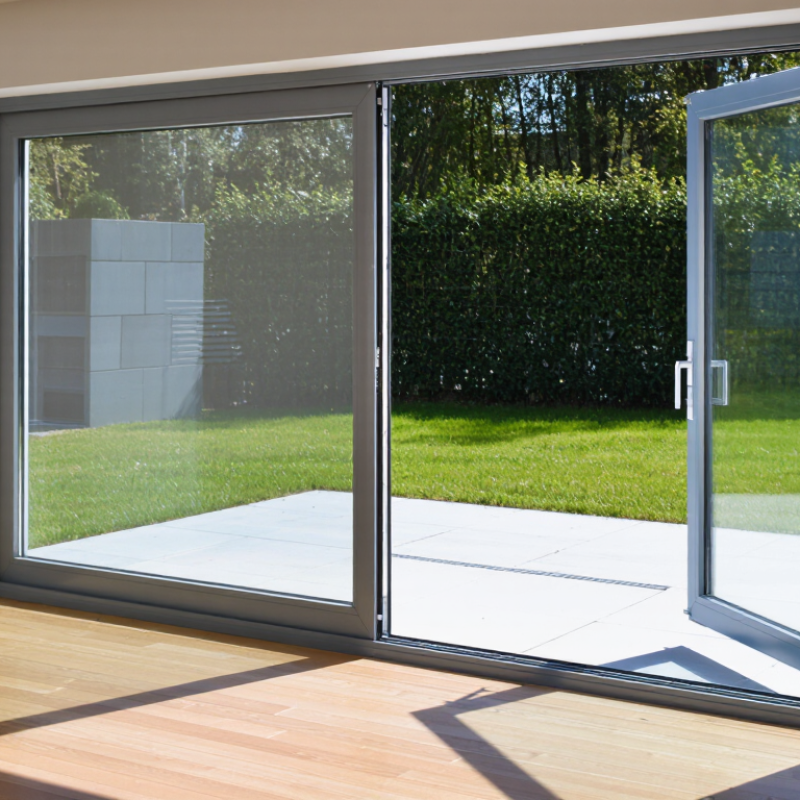
Identify Your Space, Climate, and Window Requirements
How to Choose the Best Aluminium Sliding Windows in 2026?
Identify Your Space, Climate, and Window Requirements
Start with the room, not the frame finish. A wide living-room opening may need multiple sliding panels, while a compact bedroom benefits from a clear view and easy operation. Measure the opening in several places; older walls are rarely perfectly square. Also consider furniture, curtain tracks, privacy, and whether the window will be your main source of ventilation.
Climate changes the specification. In hot, sunny rooms, low solar heat gain can help limit afternoon glare and overheating. In colder areas, prioritize a lower U-factor and well-sealed frames. The U.S. Department of Energy’s Energy Saver guidance estimates that windows account for roughly 25–30% of home heating and cooling energy use. This is a U.S. estimate, not a guarantee for every home. Ask for rated U-factor and solar heat gain coefficient figures, and check that the glass and frame suit your local conditions. Aluminium is strong and slim, but thermal-break construction can improve insulation. Still, no window fixes poor installation.
Tips: Before ordering, note the opening width, exposure, and nearby noise sources. Ask how the rollers, seals, and drainage are maintained. If possible, inspect a working sample. A showroom can feel quieter than your street.
Compare Frame Profiles, Track Systems, and Aluminium Finishes
Choosing the best aluminium sliding windows in 2026 starts with the frame profile. A narrow sightline admits more daylight, but leaves less room for reinforcement and hardware. Ask for the frame depth, glass capacity, and tested wind performance—not appearance alone. Compare a corner sample with your wall opening; small differences become obvious beside a thick sill. Slim is not always stronger.
Track systems affect daily use as much as the frame. Rollers should move a glazed panel smoothly without scraping or rattling. Check how the track drains rainwater, and whether its channels can be cleaned without special tools. Lift-out panels may help with maintenance, but only if removal is practical in your room. Test the handle yourself. A showroom glide can feel different after dust and grit collect.
Finishes need to suit both exposure and upkeep. Powder-coated surfaces offer many colour choices, while anodised finishes show a metallic look; ask how samples hold up in your climate. On a sun-facing elevation, compare real samples outdoors, since indoor lighting can mislead. Dark frames may show dust more clearly, and coastal air can make maintenance more demanding. I would not choose by colour chip alone. Confirm the finish specification, drainage details, and installation tolerances before ordering.
Choose Glazing for Insulation, Noise Control, and Light
Choose glazing by room, not by frame alone. Slim aluminium sightlines can admit generous daylight, but glass controls much of the insulation, glare, and noise performance. The US Department of Energy estimates that windows account for 25%–30% of residential heating and cooling energy use. In colder rooms, low-emissivity double glazing with a suitable gas fill can reduce heat transfer. Check the whole window’s U-factor, not just the glass specification. Start with the room.
For noise, look beyond a generic “acoustic glass” label. The European Environment Agency’s 2020 report estimated that 113 million people were exposed to road noise of at least 55 dB Lden. That figure describes outdoor exposure, not what a window will block. Ask for tested whole-unit acoustic ratings, such as OITC or STC, and compare options with different pane thicknesses or laminated glass. Quiet matters too. Gaps around sliding panels can undermine good glazing, so installation and seals deserve attention.
For daylight, compare visible transmittance alongside solar heat gain coefficient (SHGC). A bright west-facing room may benefit from lower SHGC to limit afternoon overheating, while a shaded room may need higher light transmission. I would not choose the darkest glass by default; it can make a living room feel flat on cloudy days. Measure the opening, note its orientation, and compare certified ratings. Real rooms are rarely perfect test cases.
Assess Energy Ratings, Weather Resistance, and Security Features
How to Choose the Best Aluminium Sliding Windows in 2026?
Energy ratings are a useful starting point, but compare products tested under the same regional standard. Check the whole-window U-factor, not just the glass specification; the frame and spacers affect heat loss too. Glass matters. Low-emissivity coatings and insulated glazing can improve comfort, while suitable solar-control glass may reduce summer heat. A high rating still cannot compensate for poor installation or gaps around the frame.
For weather resistance, look for documented air-leakage and water-penetration test results. Ask how the sill drains rainwater, and inspect the seals where the panels meet. In a showroom, slide each panel and check for uneven movement or daylight around the edges. Wind exposure varies by location, so a specification suited to a sheltered garden may not suit an exposed upper floor. I might be tempted to judge by smooth movement alone; that would miss the details that matter during a storm.
Security depends on more than a sturdy-looking frame. Check for a multi-point lock, anti-lift features, and glazing suited to the opening’s risk level. Confirm that the frame can be securely fixed to the wall, since weak anchoring can undermine good hardware. Ask for test documentation, and read the installation requirements carefully. A small oversight can be costly.
Verify Installation Quality, Supplier Credentials, and Warranty Terms
How to Choose the Best Aluminium Sliding Windows in 2026?
Verify Installation Quality, Supplier Credentials, and Warranty Terms
A slim frame means little if the window is poorly fitted. The U.S. Department of Energy’s Energy Saver guidance estimates that windows account for 25–30% of residential heating and cooling energy use. That makes installation details worth checking. Ask for a written inspection checklist covering frame level and squareness, perimeter sealing, flashing, and clear drainage paths. Look closely at the weep holes. Sealant should not block them. Slide each panel and test the locks before signing off.
Check the installer’s relevant qualifications, insurance, and recent project references. Ask to see a completed job, not just polished showroom samples. On site, inspect the meeting rails and corners; gaps, scraping, or a lock that needs force can signal adjustment problems. The National Fenestration Rating Council’s window ratings list U-factor and solar heat gain coefficient, useful figures for comparing energy performance. But a rating does not verify workmanship. Easy to overlook.
Read warranty terms line by line. Confirm whether coverage applies separately to frames, glass, hardware, finishes, and installation labor. Check the claim process, exclusions, and whether coverage transfers to a later owner. Ask who handles service if the installer and supplier are separate. A long warranty can sound reassuring, yet vague labor terms leave room for costly surprises. I would not judge a supplier by the warranty length alone; the paperwork can still be unclear. Insist on written answers before ordering.
How to Choose Aluminium Sliding Windows in 2026
Use the product’s test report to verify performance classifications. The chart shows the number of numbered classes in the core EN classification series—not a performance score or a comparison between different test types.
Buyer checks: Confirm air permeability under EN 12207 (Classes 1–4), water tightness under EN 12208 (Classes 1A–9A), and wind resistance under EN 12210 (Classes 1–5). Ask for the test report for the exact window configuration. Separately, check installer experience and references, verify supplier credentials, and get warranty coverage, duration, exclusions, and claim procedures in writing. Classification numbers are specific to each test and should not be compared across standards.
Conclusion
Choosing the best Aluminium Sliding Window in 2026 starts with understanding your room, available wall space, local climate, and priorities, such as ventilation, daylight, or easy access. Compare frame profiles for strength and appearance, and check that the track system suits the window’s size and expected use. Aluminium finishes should complement your space and be appropriate for local weather conditions.
Select glazing according to your needs for thermal insulation, noise reduction, and natural light. Then review energy ratings, weather resistance, and security features to find a window that offers comfort and dependable everyday performance. Before making a decision, confirm that installation will be carried out carefully, check the supplier’s experience and credentials, and read the warranty terms. Considering these factors together can help you choose a window that fits your home, climate, and budget.
 Novax Window Solutions
