Choosing the right Aluminium Sliding Doors supplier can shape a project’s comfort, appearance, and long-term operating cost. Global buyers need more than attractive catalog images. They need verified manufacturing experience, accurate specifications, dependable communication, and documented quality controls. A door may look elegant online, yet perform poorly if its rollers, seals, or frame finish are unsuitable.
This guide examines leading suppliers through practical buying criteria. It considers aluminium grade, thermal performance, glass options, hardware durability, customization, production capacity, and export experience. It also reviews certifications, inspection procedures, packaging methods, and after-sales support. These details matter when containers travel across oceans and installation teams work under strict schedules. Small omissions can become expensive delays.
In practice, evidence matters.
Factory audits, sample testing, technical drawings, and clear warranty terms provide stronger confidence than marketing claims. Reliable suppliers should explain maximum panel sizes, drainage design, wind resistance, and maintenance requirements. Regional conditions also deserve attention. For example, a coastal project may require enhanced corrosion protection, while a colder market may prioritize insulated frames and low-emissivity glass.
No supplier is flawless.
Even experienced manufacturers can face material shortages, shipping disruptions, or communication gaps. Buyers should therefore compare realistic lead times, response quality, and corrective-action procedures. This guide aims to support informed decisions, not promote a single company. Careful verification remains essential, especially when product standards, climate demands, and installation practices differ between countries.
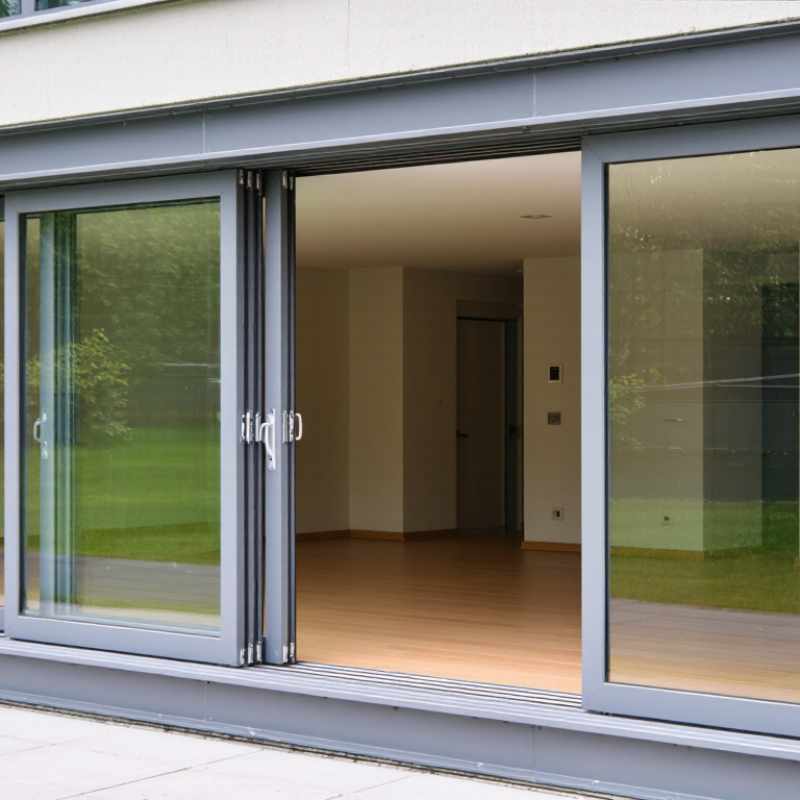
A reliable aluminium sliding door supplier offers evidence, not polished promises. The International Energy Agency reports that buildings consume about 30% of global final energy. Therefore, frame design, glazing, seals, and installation support deserve close attention. Ask for tested U-values, air leakage, water penetration, and wind-load results. These figures should match recognized standards and the intended climate.
The U.S. Department of Energy estimates that windows can cause 25–30% of residential heating and cooling energy use. A supplier should explain how thermal breaks, low-conductivity spacers, and drainage channels reduce losses. Request alloy certificates, coating specifications, and batch traceability. A sample corner should open smoothly, lock firmly, and drain after simulated rain. Small details matter.
Experience also appears in logistics. Reliable suppliers provide clear drawings, packaging photos, replacement-part procedures, and realistic lead times. ISO 9001-based quality systems can support consistency, but certification alone proves little. No supplier gets every shipment perfect. The real test is how quickly problems are recorded and corrected. Buyers should inspect one completed project, not only a showroom sample. Reports may look impressive, yet field performance can differ. That uncomfortable gap deserves attention.
Aluminium sliding doors usually fall into three product types:
Standard sliding
Standard units suit balconies, offices, and moderate openings.
Lift-and-slide
Lift-and-slide doors use a raised handle mechanism and stronger rollers. They support heavier insulated glass with smoother movement.
Multi-track systems
Multi-track designs create wider openings, but they demand accurate installation and stronger structural support.
Buyers should compare more than frame appearance. Ask for thermal transmittance values, glass thickness, air leakage, water tightness, and wind-load test results. A thermal-break frame can reduce heat transfer between indoor and outdoor surfaces. Double glazing is common, while triple glazing improves insulation and sound control. Confirm the actual U-value for the complete door, not only the aluminium profile. That difference matters.
Check sash limits, roller capacity, drainage design, and locking points. Powder-coated finishes should state coating thickness and weather-resistance testing. Stainless steel rollers often perform better in humid environments.
However, advertised maximum panel sizes may be optimistic. Request drawings, tolerance details, installation manuals, and independent test reports. Tested performance matters. A supplier with responsive technical support can prevent costly site adjustments. Some specifications remain unclear until local wind conditions, glass weight, and opening dimensions are reviewed. That uncertainty deserves attention before ordering.
A reliable supplier proves quality before discussing volume or price. Ask for alloy specifications, extrusion tolerances, coating details, and independent test reports. These documents should match the actual production model. A beautiful catalogue is not enough. Request a full-size sample with the same frame, glass, rollers, handles, and seals. Operate it repeatedly. Check whether the panels glide smoothly, meet evenly, and remain stable after opening.
Inspect practical details that photographs hide. Look for clean drainage paths, accurate corner joints, consistent surface treatment, and protected glass edges. Measure frame dimensions against the approved drawings. Small deviations can complicate installation on a distant project site. Ask how the supplier controls batch consistency. Traceable material records, inspection checklists, and dated production photos provide useful evidence. So does a factory visit, either in person or through a live video inspection.
Communication is part of quality. A capable team explains lead times, packaging methods, replacement procedures, and warranty limits clearly. Ask how they handle damaged cartons or missing hardware. Their answer may reveal more than a sales presentation. Still, no evaluation is perfect. I once treated a strong sample as final proof, then noticed weaker packaging during shipment review. That mistake changed my process. Approve samples, documents, and packing standards separately. Require written confirmation before production begins. This protects both budget and installation schedule.
Top Aluminium Sliding Doors Suppliers for Global Buyers
Export Standards, Certifications, and Shipping Considerations
Reliable suppliers should provide clear test evidence, not attractive claims alone. Ask for performance reports covering air permeability, water tightness, wind resistance, and operating cycles. For European projects, EN 14351-1 documentation and CE-related requirements may apply. Other markets can require ASTM, AAMA, or local building standards. Confirm the exact destination rules before placing an order.
Quality systems matter too. ISO 9001 certification can show controlled production, but it does not replace product testing. Request certificates with matching factory names, model numbers, and test dates. Check the aluminium alloy, coating thickness, glass specification, and hardware grade. Small details matter. I have seen buyers receive valid certificates for products different from their purchase. That mistake is expensive.
Shipping preparation deserves equal attention. Doors should be packed in reinforced wooden crates or strong export cartons, with corner guards, foam, and moisture protection. Measure each package before booking a container. A few extra centimeters can affect loading plans and freight costs. Suppliers should provide a commercial invoice, packing list, bill of lading, and certificate of origin when required. Agree on Incoterms, inspection points, and damage procedures in writing. Container photos help, although they are not perfect evidence. A pre-shipment inspection can verify labels, quantities, glass condition, and accessories. Leave room for honest review; even experienced teams sometimes underestimate port delays, seasonal congestion, or local customs checks.
Shipping reference: Nominal internal container volumes are approximately 33.2 m³ for a 20-foot general-purpose container, 67.7 m³ for a 40-foot container, and 76.4 m³ for a 40-foot high-cube container. Actual usable capacity depends on the container manufacturer, door packaging, pallets, protection materials, and carrier limits.
Buyer checklist: Confirm applicable product requirements under EN 14351-1, air-permeability classification under EN 12207, watertightness under EN 12208, and wind-resistance classification under EN 12210. Request technical drawings, packing dimensions, commercial invoices, packing lists, certificates of origin, and agreed Incoterms before shipment.
For global buyers, aluminium sliding door prices should be compared by landed cost, not quotation alone. A 2023 Grand View Research report valued the global windows and doors market at about USD 207.9 billion in 2022. Aluminium products remain attractive because of durability and design flexibility. Yet freight, protective packaging, import duties, glazing, and installation can change the final price sharply. Ask suppliers to separate each cost.
Customization affects both performance and lead time. Buyers should confirm frame depth, thermal breaks, glass thickness, drainage design, track type, opening size, and finish durability. Powder coating quality matters near coastal areas. The American Architectural Manufacturers Association recommends testing for air leakage, water penetration, and structural performance. Small details matter. A cheaper quote may exclude these tests. That is not always obvious.
After-sales support deserves equal weight. Request written warranty terms, replacement-part availability, installation guidance, and response times for damaged rollers or failed locks. The 2024 World Quality Report highlights rising customer expectations for faster, traceable service across international supply chains. A practical benchmark is a documented reply within two business days and accessible spare parts for several years. Still, service promises can be difficult to verify. Ask for anonymized case records, packaging photos, and escalation contacts. My own comparison method is not perfect; supplier data can be incomplete, especially for smaller factories. That uncertainty should be priced into the decision.
| Supplier Profile | Primary Market Region | Indicative FOB Price (USD/m²) |
Typical Door Size (W × H) |
Aluminium Wall Thickness |
Glass Options | Customization Capability | Standard Lead Time | After-Sales Support | Warranty | Recommended Buyer Type |
|---|---|---|---|---|---|---|---|---|---|---|
| Supplier Profile 01 | East Asia | 85–145 | 1.8–6.0 m × 2.1–3.0 m | 1.6–2.2 mm | Tempered, laminated, Low-E, double glazing | Color matching, multi-panel systems, custom tracks, insect screens | 25–40 days | Installation drawings, spare rollers, remote technical assistance | 5–10 years | Large residential and commercial projects |
| Supplier Profile 02 | South Asia | 70–125 | 1.5–4.8 m × 2.0–2.7 m | 1.4–2.0 mm | Clear tempered, tinted, laminated, double glazing | Standard RAL colors, handle choices, fixed panels, corner layouts | 30–45 days | Product manuals, video support, replacement hardware availability | 3–5 years | Cost-sensitive distributors and builders |
| Supplier Profile 03 | Southeast Asia | 90–165 | 2.0–6.5 m × 2.2–3.2 m | 1.8–2.5 mm | Double glazing, Low-E, acoustic laminated glass | Thermal-break frames, oversized panels, premium finishes, motorized options | 35–50 days | Project coordination, commissioning guidance, prioritized spare parts | 5–10 years | Luxury homes and hospitality projects |
| Supplier Profile 04 | Middle East | 105–190 | 2.0–6.0 m × 2.2–3.5 m | 1.8–2.4 mm | Solar-control, Low-E, laminated, triple glazing | High-temperature hardware, oversized openings, security locks, powder coating | 35–55 days | Site consultation, maintenance schedules, claims response process | 5–10 years | Hot-climate and high-end developments |
| Supplier Profile 05 | Eastern Europe | 135–240 | 1.8–5.5 m × 2.1–3.0 m | 1.8–2.5 mm | Low-E, triple glazing, acoustic and laminated glass | Thermal performance upgrades, custom glazing bars, architectural finishes | 30–45 days | Compliance documentation, technical submittals, service-part support | 5–10 years | Energy-efficient residential projects |
| Supplier Profile 06 | North America | 190–360 | 1.8–6.0 m × 2.1–3.2 m | 2.0–2.8 mm | Insulating, Low-E, impact-resistant, laminated glass | Code-specific configurations, accessibility options, custom hardware packages | 6–12 weeks | Local technical support, detailed installation documentation, parts replacement | 10–20 years | Code-driven commercial construction |
| Supplier Profile 07 | Western Europe | 220–420 | 1.8–6.5 m × 2.1–3.5 m | 2.0–3.0 mm | Triple glazing, Low-E, acoustic, solar-control glass | Minimal-frame systems, high insulation, custom sightlines, automation integration | 8–14 weeks | Professional site support, digital manuals, long-term maintenance assistance | 10–20 years | Premium architectural and passive-house projects |
| Supplier Profile 08 | Oceania | 160–300 | 1.8–5.8 m × 2.1–3.1 m | 1.8–2.5 mm | Laminated, Low-E, double glazing, safety glass | Cyclone-rated options, coastal finishes, custom screens, security upgrades | 6–10 weeks | Regional service network, maintenance advice, hardware replacement support | 7–15 years | Coastal, high-wind, and premium residential projects |
Note: Prices are indicative FOB market ranges for standard aluminium sliding-door systems and may vary by order quantity, glazing specification, finish, hardware, certification, packaging, and destination. Freight, duties, installation, and taxes are excluded.
Request test reports for air leakage, water penetration, wind resistance, and operating cycles. The figures should match recognized standards and your local climate.
Ask about thermal breaks, low-conductivity spacers, glazing, seals, and drainage channels. Request tested U-values, not general energy-saving claims. Claims can be vague.
Check the aluminium alloy, coating thickness, glass specification, hardware grade, and batch traceability. Certificates should match the factory, model, and test date. Small details matter.
Open and close the sample several times. The rollers should move smoothly, the lock should engage firmly, and water should drain after simulated rain. A showroom sample is not enough.
Ask for a commercial invoice, packing list, shipping document, and origin certificate when required. Doors need corner guards, foam, moisture protection, and strong crates or cartons. Measure every package.
Compare the landed cost, including freight, packaging, glazing, duties, and installation. Ask for separate cost lines. A cheap quotation may omit testing or accessories.
Confirm frame depth, opening size, glass thickness, track type, drainage design, thermal breaks, and finish durability. Coating performance deserves extra attention near coastal locations. Some choices increase lead time.
Request written warranty terms, replacement rollers, lock availability, installation guidance, and response targets. A documented reply within two business days is a useful benchmark. It is only a benchmark.
Inspect one completed project, not only showroom displays. Request packaging photos, drawings, and anonymized service records. Field performance may differ. That gap deserves attention.
Choosing the right Aluminium Sliding Doors supplier requires more than comparing catalog prices. A reliable supplier should offer consistent product quality, accurate technical specifications, durable materials, smooth operating systems, and customization options for different architectural requirements. Global buyers should assess manufacturing experience, quality control procedures, sample performance, production capacity, communication efficiency, and after-sales support before placing an order. Clear documentation and transparent service terms are also important indicators of professionalism.
Export readiness is another essential consideration. Suppliers should understand international packaging, labeling, loading, and shipping procedures, while providing relevant product certifications and test documents when required by the destination market. Buyers should compare prices based on material grade, glass configuration, hardware quality, customization, warranty coverage, and delivery terms rather than selecting the lowest quotation alone. A dependable partner should provide realistic lead times, secure packaging, responsive technical assistance, and effective solutions for installation or product issues after delivery. This approach helps global buyers reduce risks and build stable, long-term supply relationships.

Novax Window Solutions