What Are the 2026 Top Types of Aluminium Washroom Doors?

Time:2026-09-30 Author:Oliver
0%

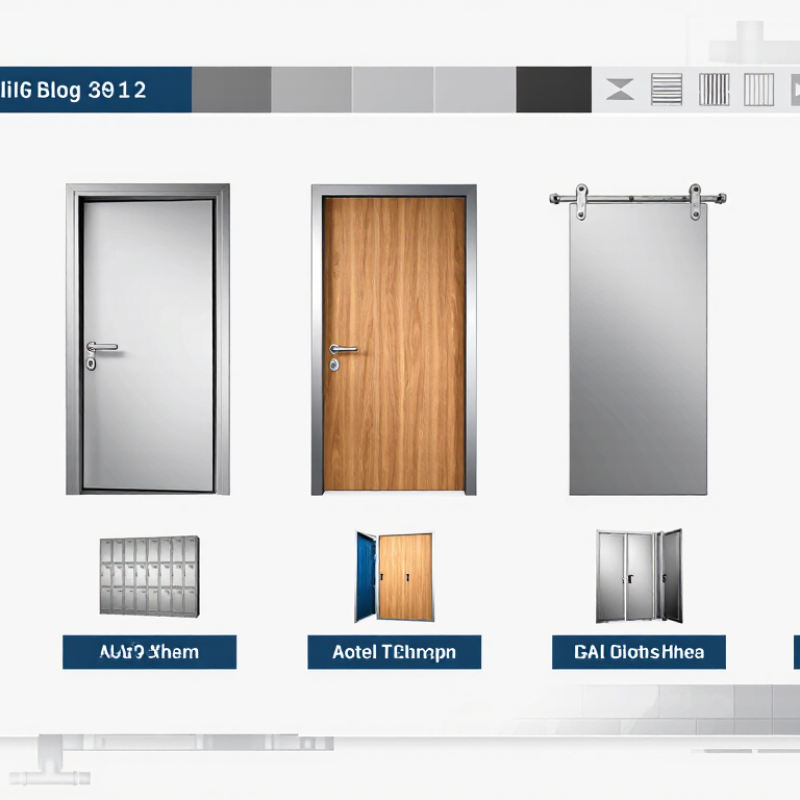
In 2026, Aluminium Washroom Door design is moving beyond simple metal panels. Facility managers now expect durability, privacy, hygiene, and a cleaner visual finish. The strongest options include framed aluminium doors, frameless doors, compact laminate-faced aluminium doors, sliding doors, and bi-fold models for restricted spaces.

Each type suits a different environment. Framed doors offer dependable rigidity in busy schools and transport facilities. Frameless systems create a sharper appearance in hotels, offices, and premium retail spaces. Compact laminate surfaces can imitate stone, timber, or solid colour, while aluminium cores resist moisture behind the finish. Sliding models save valuable space. Bi-fold doors can help where wheelchair movement or narrow layouts create practical challenges.

Small details matter.

Door weight, hinge strength, edge protection, and ventilation should be checked before selection. Powder-coated finishes can reduce maintenance, but poor cleaning chemicals may still damage the surface. An attractive door can fail quickly when hardware is under-specified. That point is easy to overlook.

Darren Leigh, an independent washroom systems consultant with over twenty years of project experience, says, “The best aluminium door is not the most decorative; it is the one that survives daily use without compromising privacy or maintenance.” His observation gives this topic a useful direction.

This guide compares the 2026 top types of Aluminium Washroom Door by performance, appearance, installation, cleaning demands, and long-term value. Some recommendations remain project-dependent. A busy airport and a quiet boutique office should not receive the same specification. That is where many buying guides become too confident.
What Are the 2026 Top Types of Aluminium Washroom Doors?

What Defines Aluminium Washroom Doors in 2026

What Are the 2026 Top Types of Aluminium Washroom Doors?

In 2026, aluminium washroom doors are defined by hygiene, moisture resistance, repairability, and measured environmental performance. The leading types include framed hinged doors, sliding doors, and lightweight cubicle doors. Framed hinged models suit busy public washrooms because hinges and closers are easy to inspect. Sliding doors save space, but their tracks need frequent cleaning. Cubicle doors offer fast installation and flexible layouts.

Material selection now needs stronger evidence. The International Aluminium Institute reports that recycled aluminium requires about 5% of the energy used for primary aluminium production. However, recycled content alone does not prove a better door. A reliable specification should state the percentage, coating system, hardware grade, and expected service conditions. That detail matters near showers, swimming pools, and coastal buildings.

The 2024 Global Status Report for Buildings and Construction states that buildings consume about 32% of global energy and produce roughly 34% of global carbon emissions. Washroom doors represent a small portion of this impact, yet repeated replacement still creates waste. Installers often prefer powder-coated surfaces, concealed fixings, and replaceable seals. These choices reduce maintenance interruptions. Small details matter.

Not every “premium” door performs equally. Thin panels may flex under heavy use, while complicated hardware can trap dirt. Designers should request test evidence for corrosion, cycle durability, and cleaning resistance. A practical site review should check door gaps, floor clearance, latch alignment, and ventilation. Specifications sometimes look complete, but real washroom conditions remain harsher than the brochure suggests.

Top Aluminium Washroom Door Types and Their Key Features

What Are the 2026 Top Types of Aluminium Washroom Doors?

Aluminium washroom doors now combine moisture resistance, clean lines, and easier maintenance. The best choice depends on traffic, privacy, ventilation, and available space. From commercial fit-out experience, framed glass doors suit bright, contemporary washrooms. Frosted or patterned glass allows light through while protecting personal privacy. Slim aluminium frames support the panels without making the entrance feel heavy. Hinges and locks should resist repeated use and damp conditions.

Solid aluminium panel doors provide stronger visual privacy and better impact resistance. They work well in schools, offices, transport facilities, and busy public buildings. Powder-coated surfaces offer many colour options and reduce cleaning effort. However, poor coating quality may show scratches quickly. Inspect the frame corners carefully. Small gaps can collect water, dust, and cleaning chemicals.

Louvered aluminium doors improve airflow in compact cubicles and utility washrooms. Their angled blades support ventilation while limiting direct visibility. Sliding doors save floor space, especially near narrow corridors. They need accurate installation and durable rollers. Otherwise, movement can become noisy or uneven. Folding doors offer another space-saving option, but their hinges need regular inspection. Accessibility, opening force, emergency use, and local building requirements should guide the final selection. No aluminium door is maintenance-free. Even a well-designed door needs gentle cleaning, hardware checks, and prompt adjustment when alignment changes.

How Door Designs Compare for Privacy, Safety, and Accessibility

In 2026, the strongest aluminium washroom door designs balance privacy with daily usability. Full-height solid-panel doors offer the most reliable visual privacy, especially in busy offices, schools, and transport facilities. Their smooth surfaces also make cleaning easier. Framed doors with narrow vision panels can improve supervision, but they may reduce privacy. Frosted glazing helps, although poor positioning can still expose movement or silhouettes.

Ventilated aluminium doors support airflow in humid washrooms. However, large louvres can transmit sound and reveal more than expected. Sliding doors save floor space and suit compact accessible cubicles, yet their tracks need careful maintenance. Swing doors usually close more positively, but they need enough circulation space. Safe designs should include rounded edges, finger-safe hinges, controlled closing, and strong resistance to impact. Accessibility depends on more than door width. Low thresholds, easy-to-grip lever handles, light opening force, and clear approach space matter at the point of use.

Tips: Check the door from a seated position before approval. Look for sightlines through gaps, hinges, and ventilation panels. Test the handle with wet hands. Specify contrast between the door, frame, and wall for clearer wayfinding. Ask installers to verify clear openings on site, because drawings can hide skirting, drains, or uneven floors. Automatic operators may improve access, but they can create delays when sensors are poorly adjusted. A small privacy gap may seem harmless, yet it can undermine the whole design.

Where Each Aluminium Washroom Door Type Works Best

What Are the 2026 Top Types of Aluminium Washroom Doors?

Where Each Aluminium Washroom Door Type Works Best

Aluminium washroom doors suit different spaces, traffic levels, and maintenance routines. Framed hinged doors work well in small offices, hotels, and private washrooms. Their hinges, closers, and locks are easy to inspect. The swing arc needs room, though. Not ideal for narrow corridors.

Top-hung sliding doors suit compact toilets, accessible cubicles, and busy public facilities. They keep the floor clear and reduce collision risks. Choose sealed rollers and corrosion-resistant hardware for humid environments. Bi-fold doors fit tight layouts, especially where a full swing door would block circulation. They save space, but their folding joints need regular cleaning.

Ventilated aluminium doors perform best in gyms, schools, and shared washrooms. Perforated or louvered panels improve airflow and reduce lingering moisture. They may offer less privacy, depending on the opening pattern. That detail is often underestimated.

The International Aluminium Institute reports that recycled aluminium uses about 5% of the energy required for primary production. This supports specifying recycled-content frames where reliable supply exists. Still, coatings, hardware, transport, and replacement cycles influence the real footprint. UNEP’s 2024 Global Status Report for Buildings and Construction states that buildings consumed 32% of global energy in 2022. Door selection is only one small decision, but repeated failures create avoidable waste. No type wins everywhere. Performance depends on the room, not the catalogue.

What Are the 2026 Top Types of Aluminium Washroom Doors? - Where Each Aluminium Washroom Door Type Works Best

Aluminium Washroom Door Type Where It Works Best Main Advantages Important Considerations Privacy Level Typical Configuration
Single-Swing Aluminium Door Individual toilet cubicles, homes, offices, restaurants, schools and general commercial washrooms. Simple operation, economical installation, easy hardware replacement and good control of visual privacy. Requires a clear door-swing area; the swing direction should not obstruct corridors or emergency routes. High with an opaque infill panel. Single leaf with hinges, lever or pull handle, latch and optional overhead closer.
Double-Swing Aluminium Door Busy public washrooms, wider entrances, service areas and locations requiring frequent two-way movement. Provides a wider passage and can support high traffic when correctly specified. Needs more wall and floor space; door coordination and finger-safe hardware may be required. High when fitted with solid or obscured panels. Two leaves with double-action hinges or coordinated swing hardware.
Sliding Aluminium Door Compact washrooms, accessible toilets, hotel bathrooms and areas where a swinging leaf would reduce usable space. Saves swing clearance and can improve circulation around accessible washroom layouts. Requires a suitable wall pocket or surface track; tracks and rollers need regular cleaning and maintenance. Medium to high, depending on overlap, seals and panel design. Top-hung or floor-guided panel with rollers, track, pulls and a privacy latch.
Bi-Fold Aluminium Door Small washrooms, narrow corridors and renovation projects with limited door-swing space. Folds into a smaller footprint than a conventional hinged door and can provide a relatively wide opening. More hinges and moving parts can require adjustment; the folded leaves may reduce the effective opening width. Medium to high with opaque panels and a properly designed meeting stile. Two or more connected leaves with top guides, pivots and a privacy latch.
Louvred Aluminium Door Plant rooms, janitor closets, service washrooms and wet areas requiring continuous air movement. Allows ventilation through fixed or adjustable louvers and can help reduce heat and moisture build-up. Not normally suitable where complete visual privacy, acoustic separation or strong smoke control is required. Low to medium, depending on louver angle and backing panel. Hinged leaf with horizontal or vertical ventilation openings and corrosion-resistant hardware.
Framed Aluminium Glass Door Hotels, offices, gyms and contemporary commercial washrooms where daylight and visual design are priorities. Modern appearance, strong daylight transmission and compatibility with frosted, etched or patterned glazing. Use safety glazing where required; transparent glass is unsuitable for private toilet entrances without obscuring treatment. Medium to high with frosted, textured or opaque glazing. Aluminium frame with laminated or toughened safety glass and privacy hardware.
Solid Aluminium Panel Door High-privacy toilets, schools, healthcare facilities, public buildings and heavy-use commercial washrooms. Excellent visual privacy, durable surface options and relatively straightforward cleaning. A solid panel can make the room feel darker and may require separate ventilation planning. Very high. Hinged or sliding leaf with powder-coated, anodised or laminated aluminium panel.
Accessible Washroom Aluminium Door Wheelchair-accessible toilets, family facilities and washrooms designed around inclusive-use requirements. Can provide a wider clear opening, easier operation and better manoeuvring space when integrated into the full layout. Clear opening, threshold, opening force, handle height and emergency release must follow applicable local accessibility rules. High with an opaque panel and suitable seals. Outward-opening hinged or sliding door with lever handle, pull bar and accessible locking hardware.
Automatic Aluminium Door Airports, hospitals, shopping centres and high-traffic facilities seeking touch-reduced entry and exit. Reduces hand contact, supports high traffic and can be integrated with sensors, push pads or access controls. Higher initial cost; electrical supply, sensor calibration, safety checks and planned maintenance are necessary. Medium to high, depending on the entrance layout and door type. Automatic sliding or swing leaf with sensors, safety detection and manual override capability.

Selection should be based on available space, traffic level, moisture exposure, privacy requirements, accessibility rules, ventilation needs and the maintenance conditions of the building.

How to Choose the Right Aluminium Washroom Door in 2026

What Are the 2026 Top Types of Aluminium Washroom Doors?

In 2026, framed swing doors remain practical for busy commercial washrooms. They are easy to repair and suit standard wall openings. Sliding aluminium doors save space in narrow corridors. They need accurate track installation, or they may create noise and alignment problems. Bi-fold doors offer another compact option, but their hinges require regular inspection. Louvered doors improve air movement, although they provide less visual privacy.

How to Choose the Right Aluminium Washroom Door in 2026

Start with traffic levels, available space, and cleaning routines. For schools, offices, and transport facilities, choose strong frames with replaceable hardware. A soft-close hinge can reduce impact and extend service life. In humid areas, specify corrosion-resistant aluminium and sealed joints. Powder-coated surfaces are easier to clean than heavily textured finishes. Check the door weight, wall strength, and floor level before ordering.

Privacy matters.

Door height, lock design, and sightline control should match the building’s use. Accessible washrooms need suitable clear widths and easy-to-operate hardware. Ask the installer about emergency release features and maintenance access. I have seen attractive doors fail because the drainage slope was ignored. That mistake was expensive and avoidable. Do not judge quality from the frame alone. Examine hinges, fasteners, seals, and track movement. A small sample installation can reveal rubbing, rattling, or poor privacy before the full project begins. Exact requirements may differ by location, so confirm current building and accessibility standards with a qualified local professional.

The chart compares common aluminium washroom door configurations using a practical 1–5 suitability scale. Higher scores indicate stronger suitability for the listed requirement. Choose a framed hinged door for general-purpose installations, a louvered door where ventilation is the priority, a sliding door where floor space is limited, and a bifold door for compact openings.

FAQS

What are the main types of aluminium washroom doors in 2026?

Common options include hinged, sliding, folding, louvered, glazed, and cubicle doors. Hinged doors suit busy facilities because their hinges are easy to inspect. Sliding doors save floor space but require clean, aligned tracks.

Which aluminium door suits a high-traffic washroom?

Solid panel or framed hinged doors usually provide dependable impact resistance. Choose strong frames, replaceable hardware, and corrosion-resistant finishes. A soft-close hinge can reduce repeated slamming.

Are aluminium washroom doors suitable for humid areas?

Yes, when the aluminium, coating, joints, and hardware suit damp conditions. Sealed joints help near showers, pools, and coastal buildings. Poorly protected edges may still corrode.

What should be checked before ordering a washroom door?

Check traffic levels, wall strength, door weight, floor level, and available clearance. Confirm privacy, ventilation, emergency release, and accessible opening requirements. Small details matter.

How do sliding aluminium washroom doors perform?

Sliding doors work well beside narrow corridors and compact entrances. Their rollers and tracks need regular cleaning and accurate installation. Otherwise, the door may rattle, drag, or stop unevenly.

Do louvered doors provide enough privacy?

Louvered doors improve airflow through angled blades. They limit direct visibility but usually provide less privacy than solid panels. Check sightlines from nearby corridors.

How can recycled aluminium affect door sustainability?

Recycled aluminium generally uses far less production energy than primary aluminium. However, recycled content alone does not prove better performance. Ask for the percentage, coating system, hardware grade, and service expectations.

What maintenance do aluminium washroom doors need?

Clean surfaces gently and remove water, dust, and chemical residue. Inspect hinges, locks, seals, fasteners, and track movement. No door stays maintenance-free.

Why can an attractive aluminium door still fail?

A brochure may hide weak panels, trapped dirt, poor drainage, or complicated hardware. Check frame corners, door gaps, floor clearance, and latch alignment. I would not judge quality from appearance alone.

Conclusion

In 2026, an Aluminium Washroom Door is defined by its balance of durability, moisture resistance, hygiene, attractive design, and practical performance. Modern options include framed and frameless doors, compact laminate systems with aluminium fittings, sliding doors for space efficiency, and accessible wider-entry designs. Each type can offer different levels of privacy, ventilation, sound control, and visual appeal, while powder-coated or anodised surfaces help support long-term use in busy washroom environments.

The best choice depends on the location and user requirements. Compact cubicles are suitable for commercial facilities, schools, and public buildings, while sliding doors work well where floor space is limited. Accessible doors should provide sufficient clearance, easy operation, and safe hardware for users with mobility needs. When selecting an Aluminium Washroom Door, consider traffic levels, cleaning routines, privacy expectations, moisture exposure, available space, maintenance needs, and compliance with applicable accessibility and safety standards.

Oliver

Oliver

Oliver is a seasoned marketing professional with a wealth of expertise in driving brand awareness and engagement. With a deep understanding of our company's product offerings, he consistently delivers high-quality content that enriches our professional blog. His insights not only shed light on......