Why Choose an Aluminum Window for Your Project?

Time:2026-09-30 Author:Sienna
0%

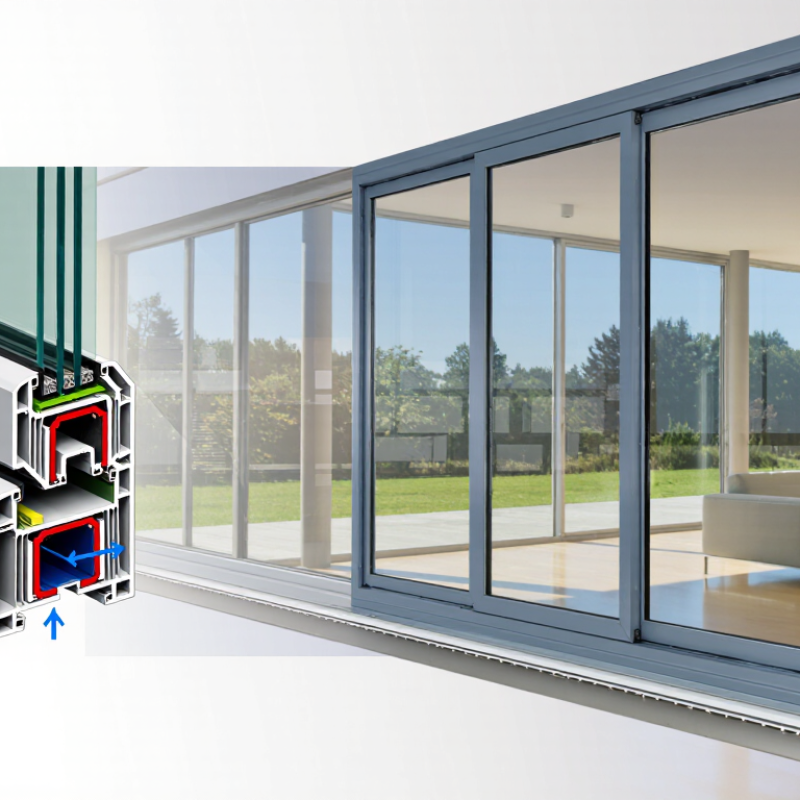
Choosing the right window affects comfort, durability, appearance, and long-term maintenance. An Aluminum Window can support these goals when the frame, glass, finish, and installation method work together. Its slim profiles create wider views, while its strength supports large panes and contemporary façades. This matters in homes, offices, retail spaces, and coastal developments.

Building-science expert Dr. Joseph Lstiburek often says, “Water is the enemy.” His warning applies directly to every window project. A strong aluminum frame cannot compensate for poor flashing, weak drainage, or careless sealing. The installation details deserve as much attention as the product itself. Look closely.

Aluminum also offers practical advantages. Powder-coated finishes can resist fading and simplify routine cleaning. Thermal-break technology can reduce heat transfer through the frame. Double or triple glazing may improve insulation, noise control, and interior comfort. However, performance depends on climate, orientation, glass selection, and local building requirements. No material solves every problem.

An experienced project team should examine air leakage, condensation risk, wind loads, hardware quality, and warranty coverage. Ask for tested performance data, not attractive claims. Check the installer’s previous work. Touch the frame, inspect the corners, and study how water leaves the sill.

The honest answer is not always aluminum. Timber, vinyl, or composite systems may suit certain budgets or architectural styles better. Yet, when clean lines, structural strength, low maintenance, and expansive glazing matter, an Aluminum Window remains a compelling choice. The decision should be measured, not fashionable. Good design begins with evidence.
Why Choose an Aluminum Window for Your Project?

What Is an Aluminum Window?

What Is an Aluminum Window?

An aluminum window uses lightweight metal frames to hold glass securely in a wall opening. Aluminum is strong, slim, and resistant to moisture, making it suitable for homes, offices, and commercial buildings. Its narrow profiles can create wider glass areas and bring more daylight indoors. The frame is usually finished with a durable coating or anodized surface. This helps protect it from weather and daily wear.

In practical projects, frame design matters as much as the material itself. Standard aluminum can transfer outdoor heat and cold through the frame. A thermal break reduces this transfer and improves indoor comfort. Double or triple glazing can also support better insulation and noise control. I have seen good-looking windows perform poorly when installation was rushed. The frame may be excellent, but small gaps can still cause drafts or water problems. Aluminum is not automatically the best choice for every building.

Tips: Check the window’s thermal-break design, glass specification, drainage, and installation method. Ask for performance documents, not only appearance samples. Measure the opening carefully before ordering. Coastal or humid locations may need suitable coatings and regular cleaning. Also, remember that slimmer frames can reduce visual weight, but they may require precise engineering. Sometimes, a slightly stronger profile is the wiser decision.

Why Choose an Aluminum Window for Your Project?

Aluminum windows combine high strength, low weight, corrosion resistance, slim sightlines, and long service life. Because aluminum conducts heat more readily than wood or polymer materials, modern aluminum frames should include a thermal break to improve energy efficiency.

What Is an Aluminum Window? An aluminum window is a window system made with extruded aluminum frame sections that hold the glass and hardware. The frame is typically finished with a durable coating and may include a thermal barrier between the interior and exterior aluminum sections.

How Aluminum Windows Are Designed and Manufactured

Choosing an aluminum window begins with understanding how it is designed. Engineers study opening sizes, wind loads, water exposure, and daily use. They also consider the building’s climate. A coastal project needs stronger corrosion protection. A cold climate may require thermal breaks inside the frame. Small details matter.

Manufacturing starts with aluminum billets heated and pushed through a shaped die. This extrusion process creates precise frame sections. Technicians then cut, drill, and machine each piece to the approved drawings. Thermal separators are fitted where needed. Gaskets, drainage paths, and glazing pockets are checked before assembly. The frame should guide rainwater outward, not trap it behind the glass.

Surface finishing may use anodizing or powder coating. Both require clean preparation and controlled curing. Glass is installed with setting blocks, seals, and measured pressure. Quality inspectors check corner joints, frame dimensions, opening force, and visible scratches. A sample window can reveal problems before production expands. This step is easy to skip, but it should not be. No design is flawless. A rushed drawing may miss a cleaning gap or a difficult installation angle. On-site feedback often improves the next revision. That practical loop makes aluminum windows more dependable, not merely attractive.

Which Performance Benefits Do Aluminum Windows Provide?

For many building projects, aluminum windows are chosen for measurable performance, not appearance alone. Their rigid frames support large panes while keeping sightlines relatively slim. This can increase daylight and provide clearer views. Properly engineered systems also resist wind pressure and frame movement. That stability matters in tall buildings and exposed coastal locations.

Thermal performance depends on more than the metal frame. A thermal break reduces heat transfer between indoor and outdoor surfaces. Low-emissivity glazing, insulated spacers, and accurate seals improve the complete window assembly. In practice, occupants may notice fewer cold drafts near the glass. Energy results still depend on orientation, shading, ventilation, and installation quality. A strong specification cannot repair careless fitting.

Aluminum also offers useful durability. It does not swell like untreated wood, and its surface can be finished for added weather resistance. Regular cleaning helps remove salt, dust, and pollutants before they damage finishes. Acoustic performance can improve with laminated glass and tight compression seals. However, aluminum windows are not automatically efficient or maintenance-free. Project teams should review tested air, water, thermal, and structural data. Site inspections can reveal blocked drainage paths or poorly adjusted seals. These details are easy to overlook. Good design leaves room for inspection, adjustment, and honest performance checks.

Why Choose an Aluminum Window for Your Project? - Which Performance Benefits Do Aluminum Windows Provide?

Performance Dimension Benefit of Aluminum Windows Typical Performance Characteristics Project Value
Structural Strength Strong and dimensionally stable frames Aluminum has a high strength-to-weight ratio and resists warping, swelling, and twisting when properly designed and installed. Supports large window sizes, taller sashes, and broader glass areas with relatively slim frame profiles.
Large Glass Areas Slim sightlines and expansive glazing The rigidity of aluminum allows frames to accommodate larger glass panels than many conventional frame materials, subject to engineering and hardware requirements. Provides more daylight, clearer views, and a modern appearance for residential, commercial, and architectural projects.
Weather Resistance Reliable resistance to moisture and exterior exposure Aluminum does not rot or absorb water. Quality finishes and correctly designed seals help protect the frame against rain, humidity, and ultraviolet exposure. Suitable for climates with high humidity, frequent rainfall, or strong sunlight when the system is correctly specified.
Thermal Performance Improved insulation with thermally broken construction Standard aluminum conducts heat efficiently; thermal-break profiles, insulated glass, warm-edge spacers, and low-emissivity coatings significantly reduce heat transfer. Can contribute to lower heating and cooling loads and improved indoor comfort when the complete window system is properly designed.
Air Tightness Controlled air infiltration Multi-point locking systems, compression seals, accurate fabrication, and professional installation help limit unwanted air leakage. Helps reduce drafts, protect indoor comfort, and improve the effectiveness of heating and cooling systems.
Water Management Designed drainage and weather-sealing options Rebates, gaskets, sill slopes, weep holes, and properly integrated flashing direct water away from the interior. Supports dependable performance during wind-driven rain when the window is selected and installed for the project’s exposure conditions.
Durability Long service life with limited frame maintenance Aluminum frames are resistant to insects, rot, and many common forms of deterioration. Durability depends on alloy, finish, hardware, drainage, and maintenance. Reduces the likelihood of frame replacement and makes aluminum suitable for demanding, frequently used openings.
Corrosion Protection Protective surface treatments Anodizing and powder coating create protective finishes. Coastal or industrial environments may require finishes and maintenance suited to higher corrosion exposure. Offers design flexibility and helps preserve the appearance of the frame over time when the finish is correctly specified.
Fire and Smoke Considerations Non-combustible frame material Aluminum itself is non-combustible, although the complete window assembly, glazing, seals, and surrounding construction determine fire performance. Can support projects with specific fire-safety requirements, subject to applicable building codes and tested assembly ratings.
Acoustic Performance Potential for effective sound reduction Noise control depends mainly on glass thickness, laminated glass, airspace, frame seals, and installation quality rather than the frame material alone. Can be configured for urban, roadside, or commercial locations requiring improved indoor acoustic comfort.
Design Flexibility Wide range of profiles, colors, and operating styles Aluminum systems can be fabricated as fixed, casement, sliding, awning, bi-fold, lift-and-slide, and other configurations, depending on the system design. Allows the window specification to align with ventilation needs, architectural style, opening size, and operational requirements.
Sustainability Recyclable material with long-term reuse potential Aluminum can be recycled repeatedly, and recycled aluminum generally requires substantially less energy to produce than primary aluminum. May support circular-material strategies when recycled content, responsible sourcing, and end-of-life recovery are documented.
Maintenance Simple routine care Typical maintenance includes cleaning frames and glass, keeping drainage paths clear, inspecting seals, and lubricating or adjusting hardware as required. Helps reduce ongoing maintenance effort compared with materials that may require repainting or protection against biological deterioration.

Actual results depend on the aluminum alloy, frame design, thermal-break configuration, glass specification, hardware, local climate, installation quality, and applicable testing standards.

Where Are Aluminum Windows Best Used?

Why Choose an Aluminum Window for Your Project?

Where Are Aluminum Windows Best Used?

Aluminum windows work especially well in modern homes, offices, shops, and coastal buildings. Their slim frames allow more glass and brighter interiors. In busy commercial spaces, aluminum handles frequent opening without feeling bulky. It also resists warping, which helps in humid rooms such as kitchens and bathrooms. From installation experience, accurate measurements matter greatly. A small fitting error can reduce insulation and create unwanted drafts.

They are also useful for large openings, including sliding doors, corner windows, and floor-to-ceiling designs. Strong aluminum sections can support broad glass panels while keeping the sightlines clean. In exposed locations, choose frames with suitable protective finishes and drainage details. Salt air still deserves caution. Even durable materials need regular cleaning near the coast. Aluminum may transfer heat quickly, so thermal breaks and suitable glazing should be specified for colder or hotter climates. This part is sometimes overlooked.

Tips: Match the frame system to the building’s climate, window size, and ventilation needs. Check seals, drainage paths, and hardware before installation. Ask a qualified installer to review structural loads and local requirements. A beautiful frame cannot correct poor planning.

What Factors Should Guide Your Aluminum Window Selection?

Choosing an aluminum window should begin with the building, not the frame color. Climate, orientation, opening size, and ventilation habits all change the answer. According to the U.S. Department of Energy’s Energy Saver guidance, windows can represent 25–30% of household heating and cooling energy use. That figure makes thermal performance a design issue. Request the U-factor, solar heat gain coefficient, visible transmittance, and air-leakage rating. Low U-factor helps in cold weather. High solar gain may help some south-facing rooms, but hurt others. Thermal breaks matter.

The IEA’s 2023 Global Status Report for Buildings and Construction places buildings at about 30% of global final energy use and 26% of energy-related emissions. Therefore, compare whole-window values, not glass-only claims. Ask how the frame, spacer, gasket, and installation joint perform together. On a coastal project, specify corrosion-resistant finishes and positive drainage. On a windy tower, check design pressure and hardware cycle testing. Details decide.

Field conditions expose weaknesses that laboratory ratings cannot show. A highly rated window can still disappoint when shims, flashing, or sealants are poorly installed. Installers should verify opening dimensions before fabrication, because small errors create expensive site adjustments. Do not select the thinnest frame automatically. More glass can improve daylight, yet increase heat gain and cleaning demands. Small details count. Review samples in morning and afternoon light. Ask for test evidence, maintenance instructions, and a realistic warranty scope. Some choices will remain compromises. That is normal.

FAQS

What is an aluminum window?

It uses lightweight metal frames to hold glass inside a wall opening. The frames are strong, slim, and moisture resistant. They can create wider glass areas and brighter rooms.

Where are aluminum windows commonly used?

They suit homes, offices, shops, and commercial buildings. They also work well in kitchens, bathrooms, and coastal properties. Large openings are possible.

Why are aluminum windows useful for large openings?

Strong aluminum sections can support broad glass panels. Slim sightlines keep the design clean. They suit sliding doors, corner windows, and floor-to-ceiling windows.

Do aluminum windows provide good insulation?

They can, but standard aluminum transfers heat and cold quickly. A thermal break reduces this transfer. Double or triple glazing can improve insulation and noise control.

Are aluminum windows suitable for coastal areas?

They can be suitable with protective coatings and proper drainage. Salt air still requires regular cleaning. Small maintenance tasks matter near the sea.

What should be checked before ordering aluminum windows?

Measure the opening carefully. Check the thermal-break design, glass specification, seals, drainage, and hardware. Ask for performance documents, not only attractive samples.

Can poor installation cause window problems?

Yes. Small gaps can create drafts, leaks, and weaker insulation. I have seen excellent frames perform badly after rushed installation. Good planning matters.

Are slimmer aluminum frames always better?

Not always. Slim frames reduce visual weight and increase glass area. However, large panels may require stronger profiles and precise engineering. Sometimes, a slightly heavier frame is wiser.

How should aluminum windows be matched to a building?

Consider the climate, opening size, ventilation, and structural loads. Hot and cold regions may need different glazing choices. A beautiful frame cannot fix poor planning.

Are aluminum windows the best choice for every building?

No. Their performance depends on design, glazing, drainage, coating, and installation. The material alone does not guarantee comfort. That part is easy to overlook.

Conclusion

An Aluminum Window is a durable, lightweight, and versatile building component made from shaped aluminum frames combined with suitable glass and hardware. Its design and manufacturing process typically include precision forming, surface finishing, frame assembly, glazing, and quality checks to create a stable product with a clean, modern appearance. Different frame profiles, glass options, opening styles, and finishes allow aluminum windows to meet a wide range of architectural and practical requirements.

Aluminum windows provide strong structural support, resistance to moisture, corrosion, warping, and everyday wear, while requiring relatively little maintenance. They are well suited to homes, offices, commercial buildings, renovations, and projects with large glass areas or contemporary designs. When selecting one, consider thermal performance, glass specification, frame strength, ventilation needs, security, weather resistance, installation conditions, appearance, maintenance requirements, and overall budget. A thoughtful comparison of these factors helps ensure the window performs reliably and complements the project’s design.

Sienna

Sienna

Sienna is a skilled marketing professional with a deep expertise in our company’s core products and services. With a passion for innovation and detail, she plays a pivotal role in crafting insightful blog posts that not only highlight the unique features of our offerings but also provide valuable......