 Novax Window Solutions
High-Performance Aluminum & Glass Door Systems
Engineered for Hurricane Resistance, Structural Thermal Integrity, and Modern Minimalist Design
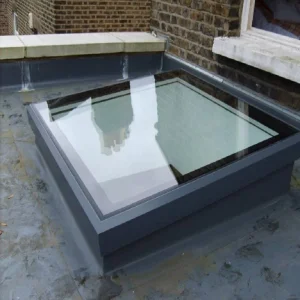
OUNA Brighten Your Stairwell with a Slim Frame Aluminum Skylight Brings Sunlight Into the Heart of Your Home Day and Night
View Product Specs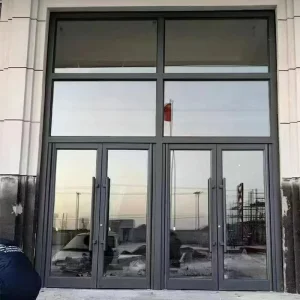
OUNA Customized Office Entrance Doors Windproof Aluminum Frame Store Front Doors Glass Doors for Business
View Product Specs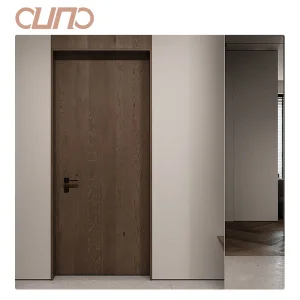
OUNA Single Door Inner Panel Door New Standard High End Aluminum Wooden Door Moisture Proof, Suitable for Bedroom
View Product Specs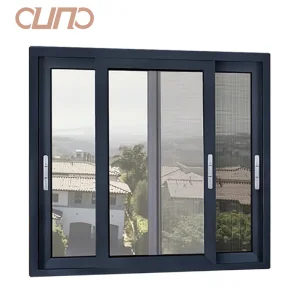
OUNA Hurricane Proof Outdoor Double Tempered Glass Sliding Windows French Style Apartment Aluminum Window
View Product Specs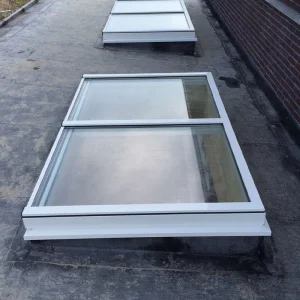
OUNA Electric Automatic Aluminum Skylight Roof Window Large Size Panoramic View Double Glazed Tempered Glass and Remote Control
View Product Specs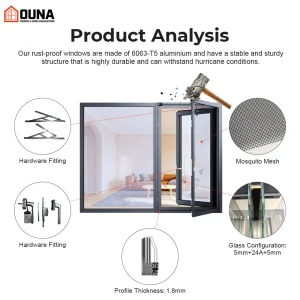
OUNA American Style Impact Resistant Double Glazed Black Frame Aluminum Crank Push Out Casement Windows Heat Insulation Argon
View Product Specs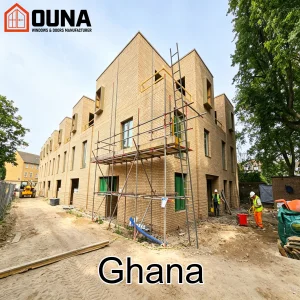
OUNA Ghana Project Engineering Villa Thermal Break Aluminum Sliding Window Tempered Glass Heat Insulation Other Window With Mesh
View Product Specs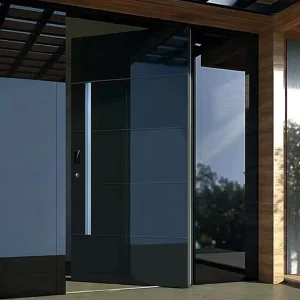
OUNA Aluminum Exterior Entry Doors for Houses Exterior Front Entry Doors Modern Design CE ISO NFRC Certified Manufacturer
View Product SpecsArchitectural Aluminum & Glass Envelope Systems Manufacturing Reality
A Comprehensive Analysis of Manufacturing Scale, Export Infrastructure, and Structural Integrity
In the contemporary global construction landscape, the demand for high-performance fenestration—specifically engineered China wholesale aluminum and glass doors manufacturers—has shifted from basic aesthetic partitioning to complex building envelope science. Modern commercial towers, coastal luxury villas, and multi-family residential developments require exterior glazing solutions capable of withstanding extreme thermal differentials, severe wind pressure loads, and aggressive atmospheric corrosion while delivering unmatched visual clarity and low operational U-factors.
Corporate Credibility Spotlight: Registered in 2017, Ningbo Novax Building Materials Co., Ltd. covers an expansive production footprint of 40,000 square meters. Rooted in 9 years of specialized industry experience and 6 years of global export experience, the company achieves an annual export value of $30 million. Our key export markets encompass North America, the Caribbean, and South America, focusing on coastal commercial projects, hardware importers, and residential developers.
Product quality is strictly maintained by 60 QC personnel executing rigorous structural load testing and hurricane impact resistance checks. Backed by strategic partnerships with 1,100 material suppliers, Novax delivers extensive customization options including heavy-duty thermal break profiles, anodized surface finishes, and smart home sensor integration. Driven by 72 R&D engineers, we brought 85 new innovative window models to market last year.
Strategic Advantage of Chinese Architectural Manufacturing Hubs
The global dominance of Chinese architectural aluminum manufacturers stems not merely from economy of scale, but from a densely integrated industrial ecosystem. Within regional manufacturing clusters such as Ningbo, raw material extraction, billet casting, precision extrusion, surface treatment, double-glazing assembly, and hardware integration occur within tight geographic proximity. This vertical integration reduces lead times by up to 40% compared to Western counterparts, allowing developers to execute ambitious architectural designs without jeopardizing construction schedules.
Technology Roadmap & Future Outlook (2025–2030)
Emerging Glazing Technologies, Thermal Break Innovations, and Smart Building Integration
Aerogel & Vacuum Glazing (VIG)
Traditional double-glazed IGUs (Insulated Glass Units) are giving way to ultra-thin Vacuum Insulated Glass and aerogel-infused thermal break cavities. By removing interstitial gas, VIG achieves U-factors as low as 0.6 W/m²K (U-0.10 BTU/h·ft²·°F), matching the thermal insulation performance of solid insulated concrete walls in ultra-slim frame profiles.
BIPV & Electrochromic Glass
Building-Integrated Photovoltaics (BIPV) turn structural glass entrance doors and large-format skylights into energy-harvesting assets. Concurrently, electrochromic smart glass allows automated opacity adjustment based on real-time solar irradiance sensors, reducing HVAC cooling loads in commercial curtain wall applications by up to 30%.
Advanced Polyamide PA66 GF25 Seals
Next-generation thermal break aluminum profiles employ multi-cavity Polyamide PA66 reinforced with 25% glass fiber. This engineered structural thermal barrier prevents thermal bridging, eliminates interior frame condensation, and resists shear stress under high structural wind loads up to 5000 Pa.
Structural Life Cycle Analysis: Future-proof aluminum door systems incorporate 6063-T5 or 6060-T66 extrusion alloys coated with Fluorocarbon PVDF (Polyvinylidene Fluoride) resins, ensuring zero chalking or cracking under intense ultraviolet exposure and coastal salt spray for over 30 years.
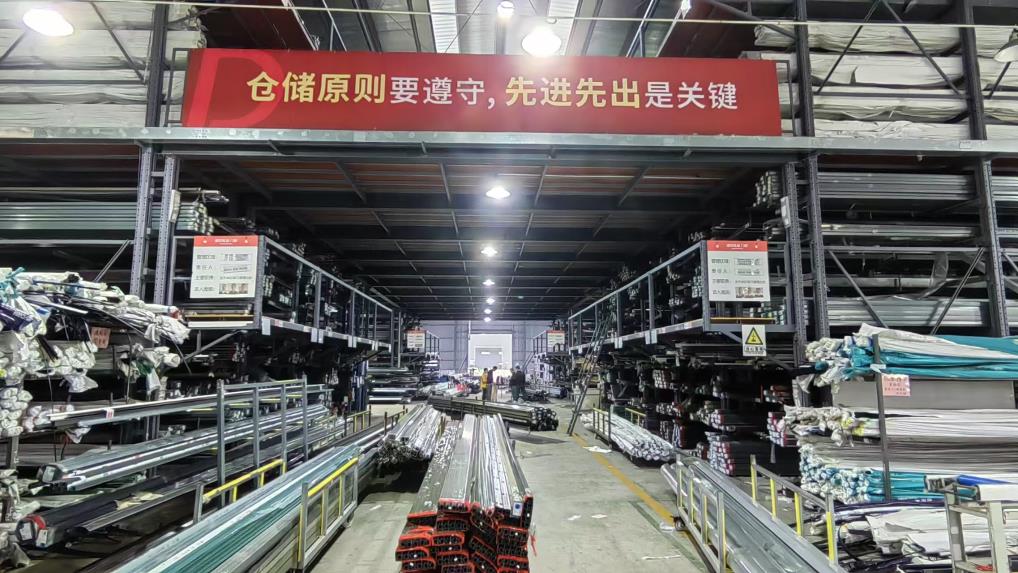
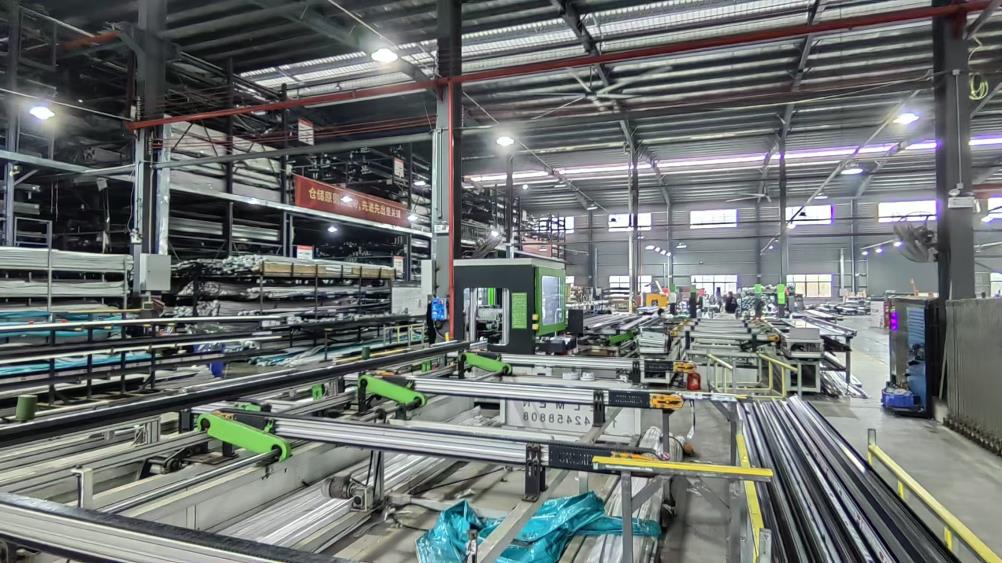
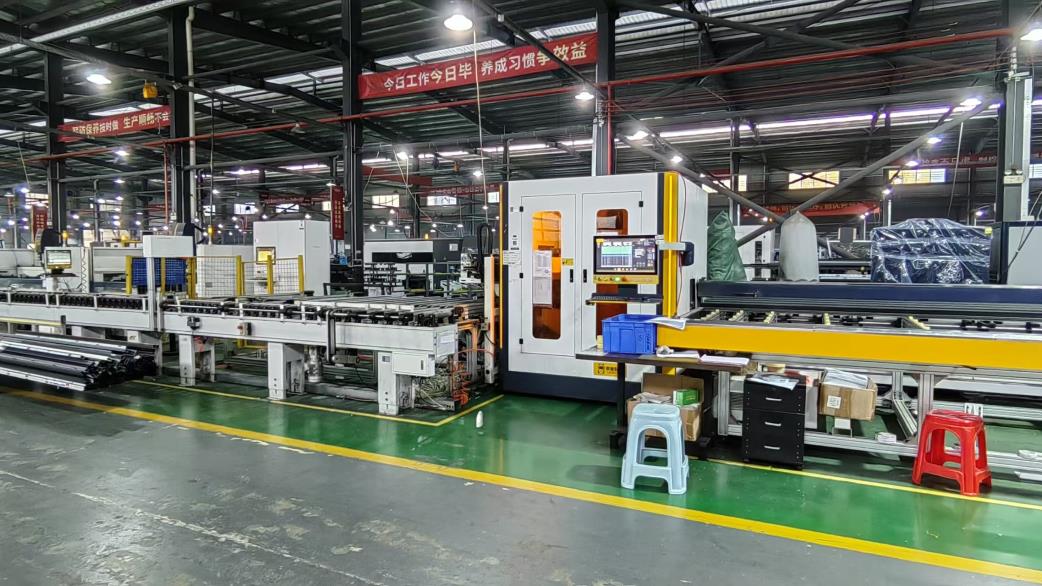
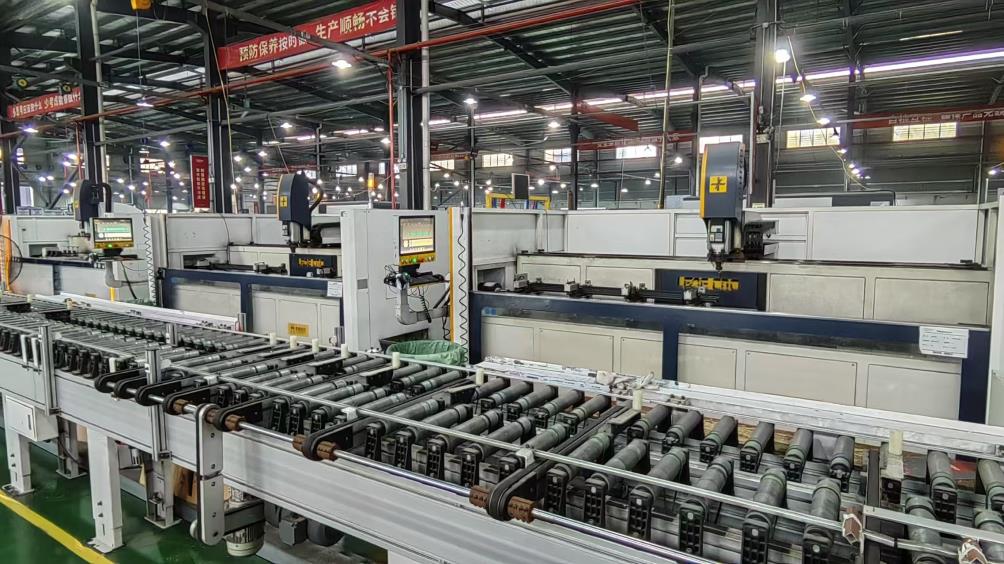
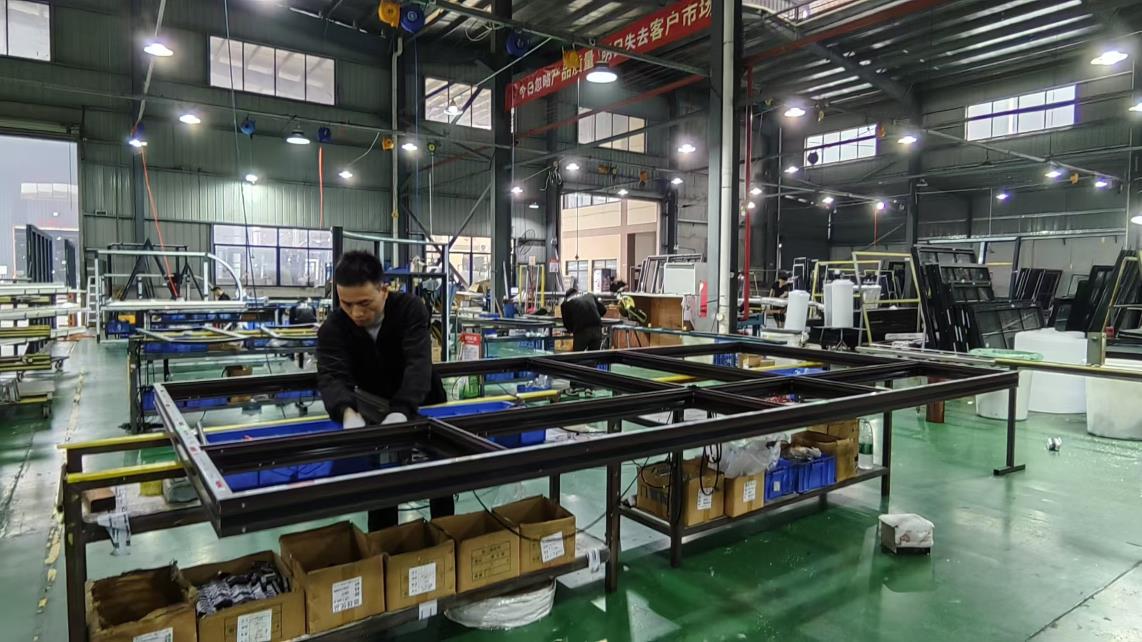
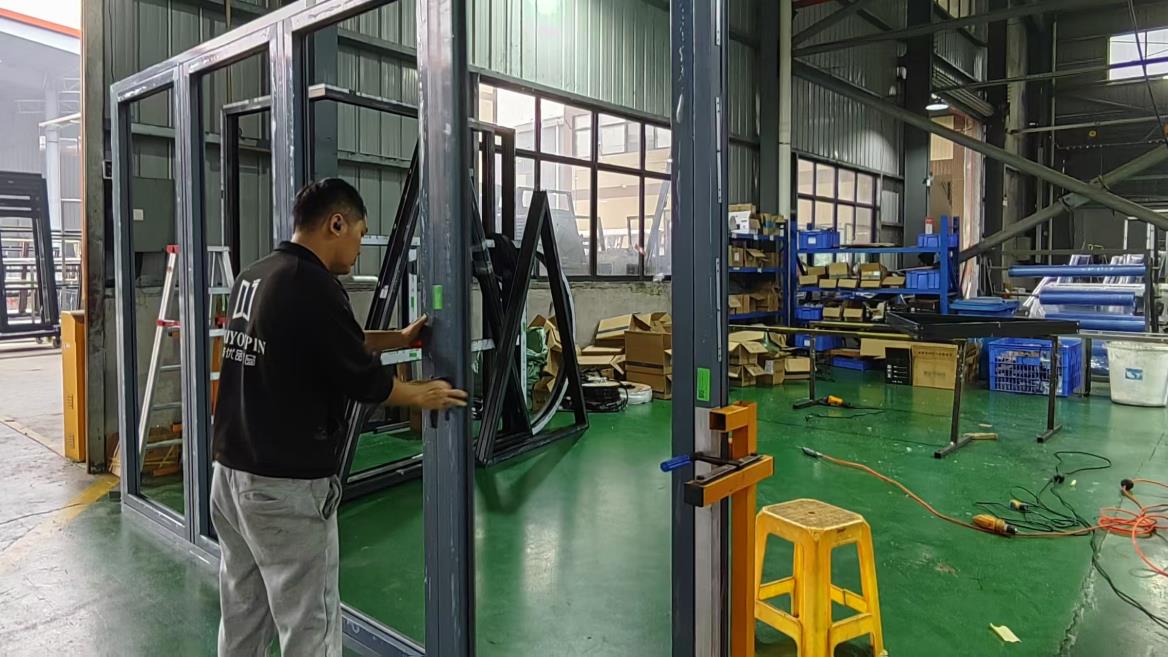
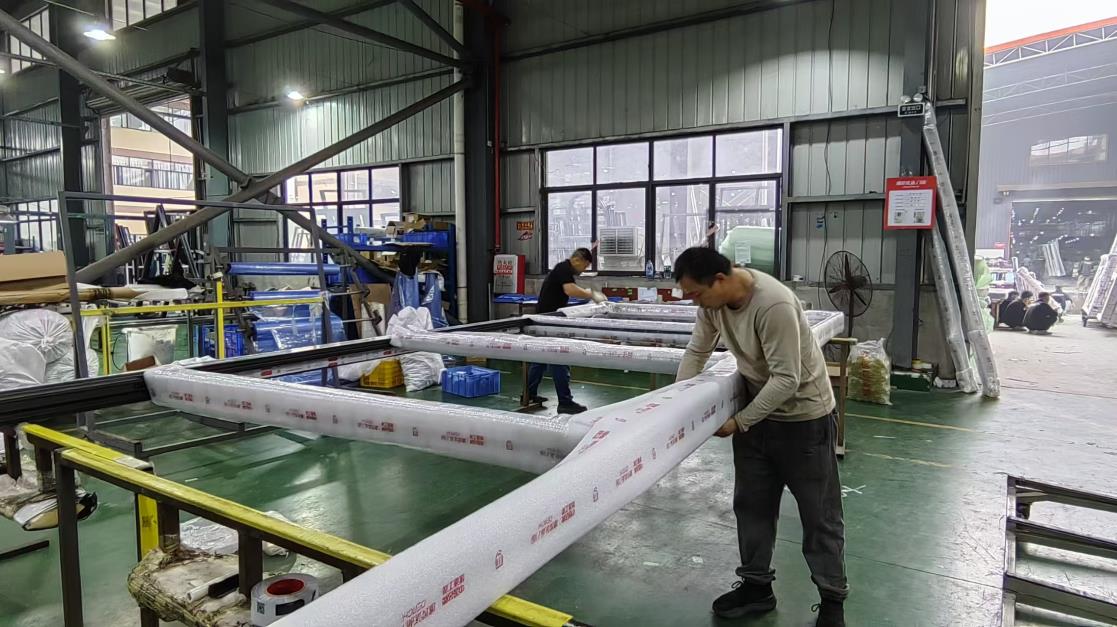
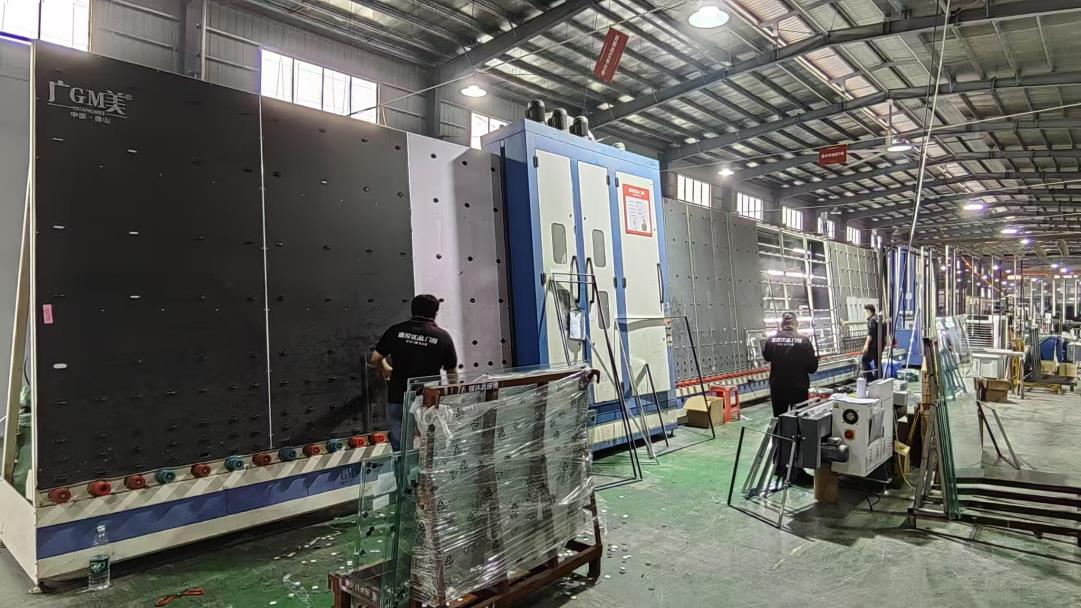
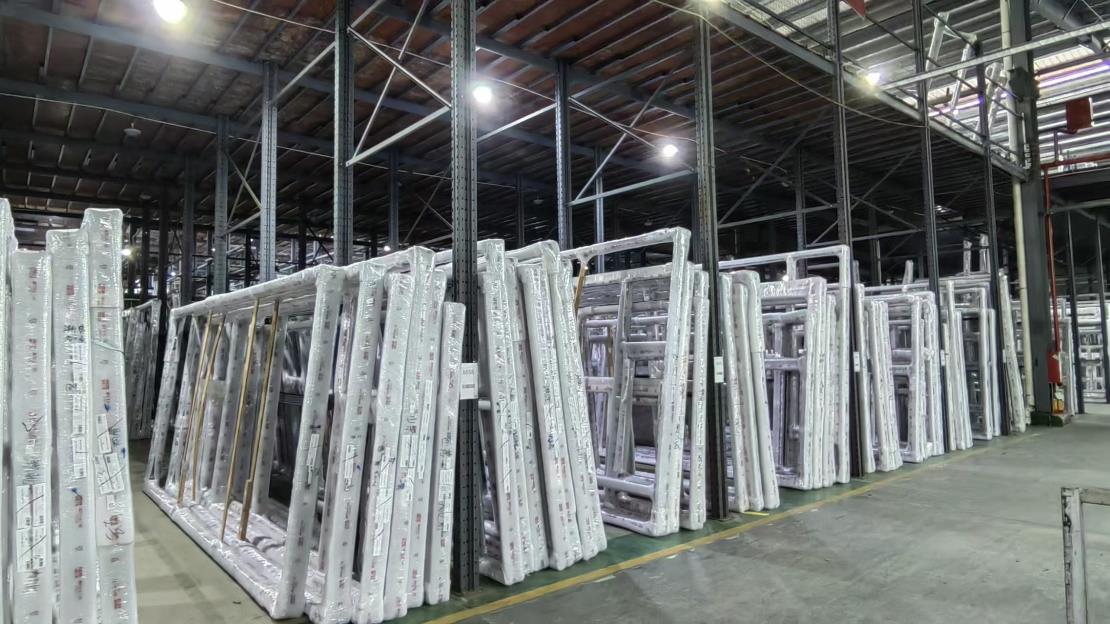
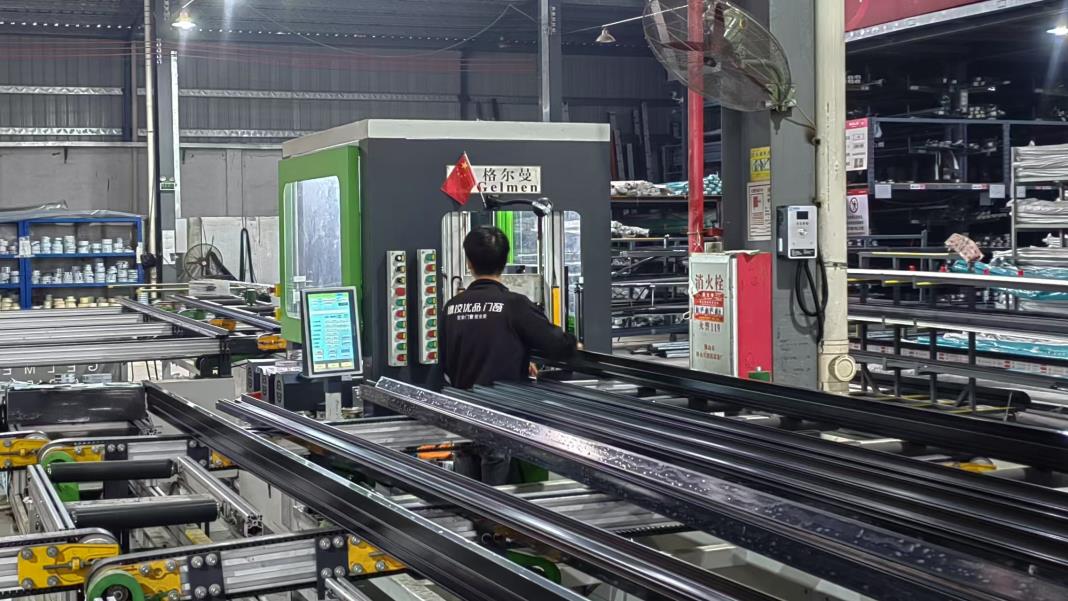
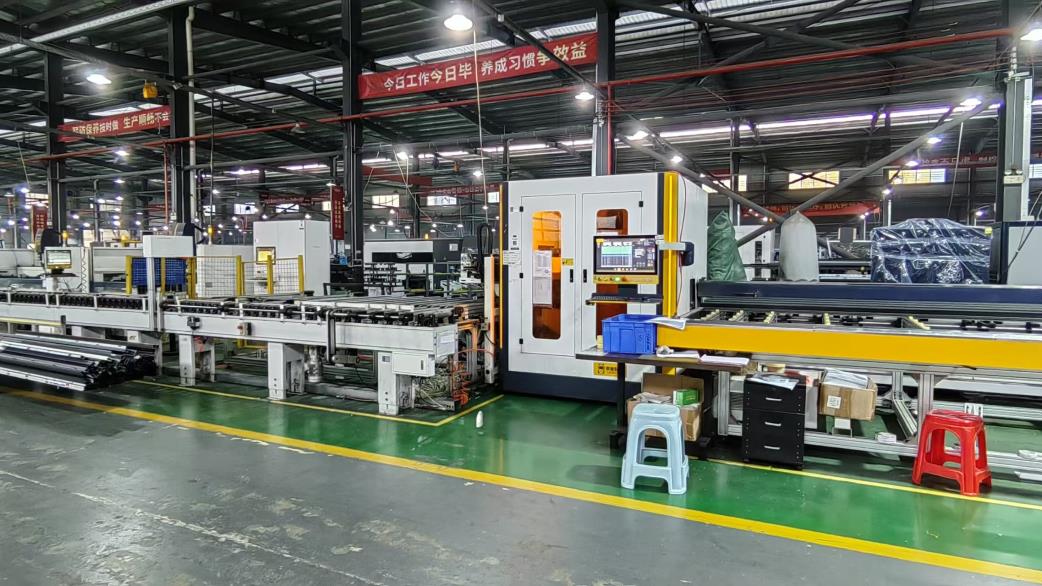
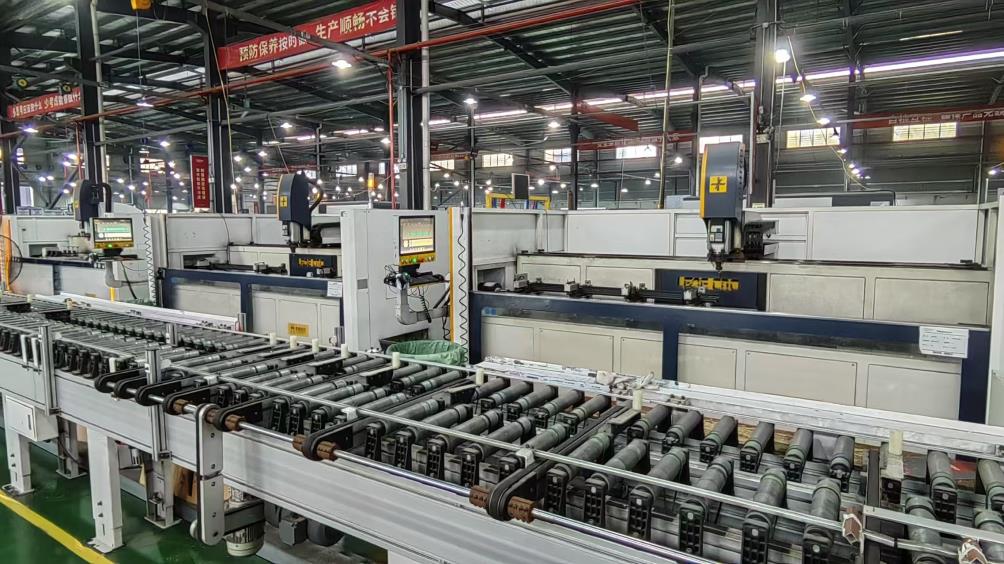
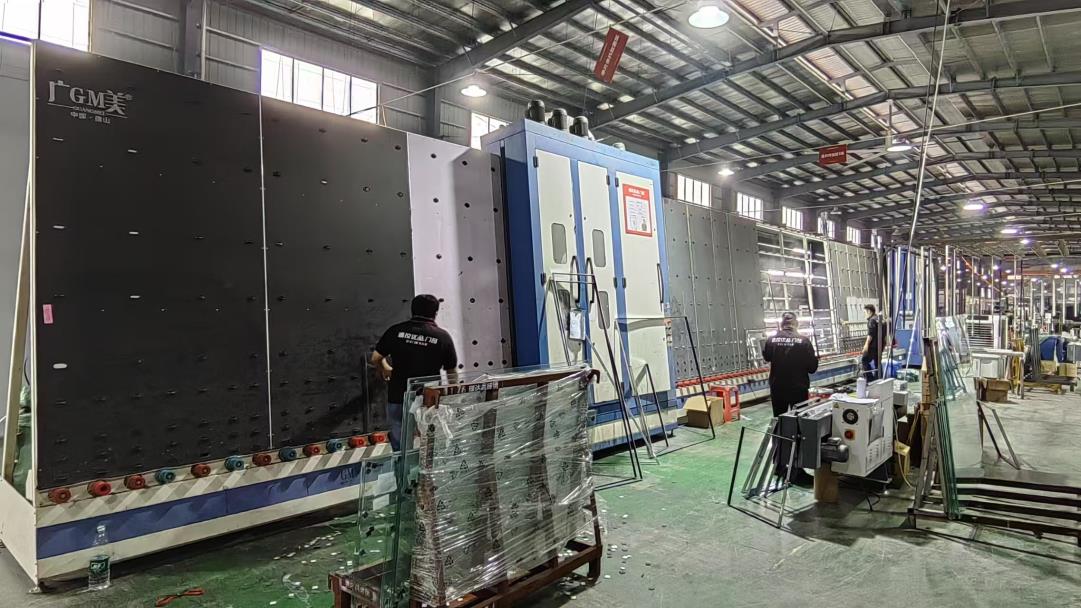
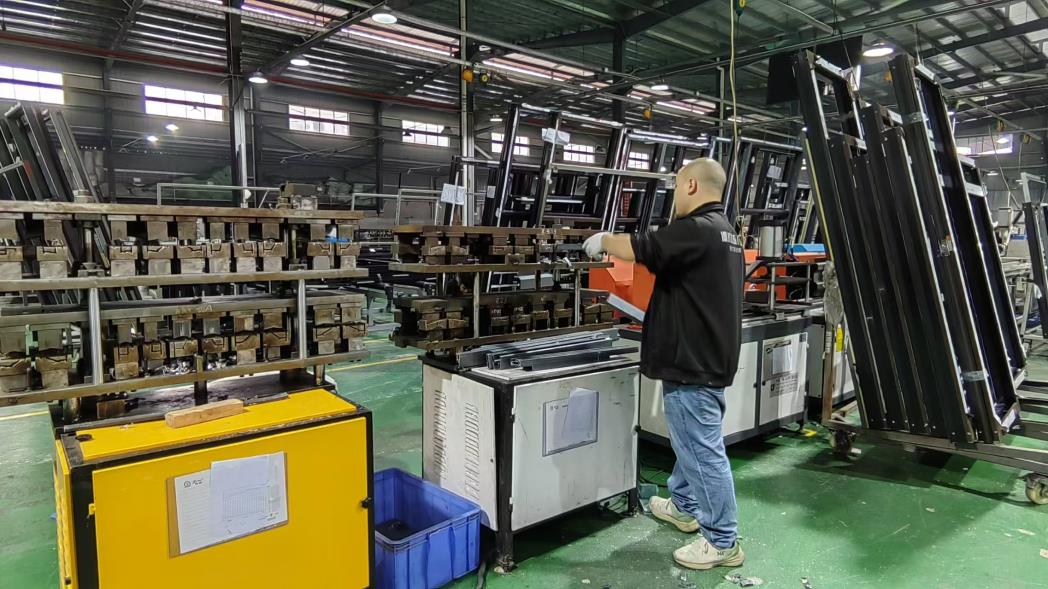
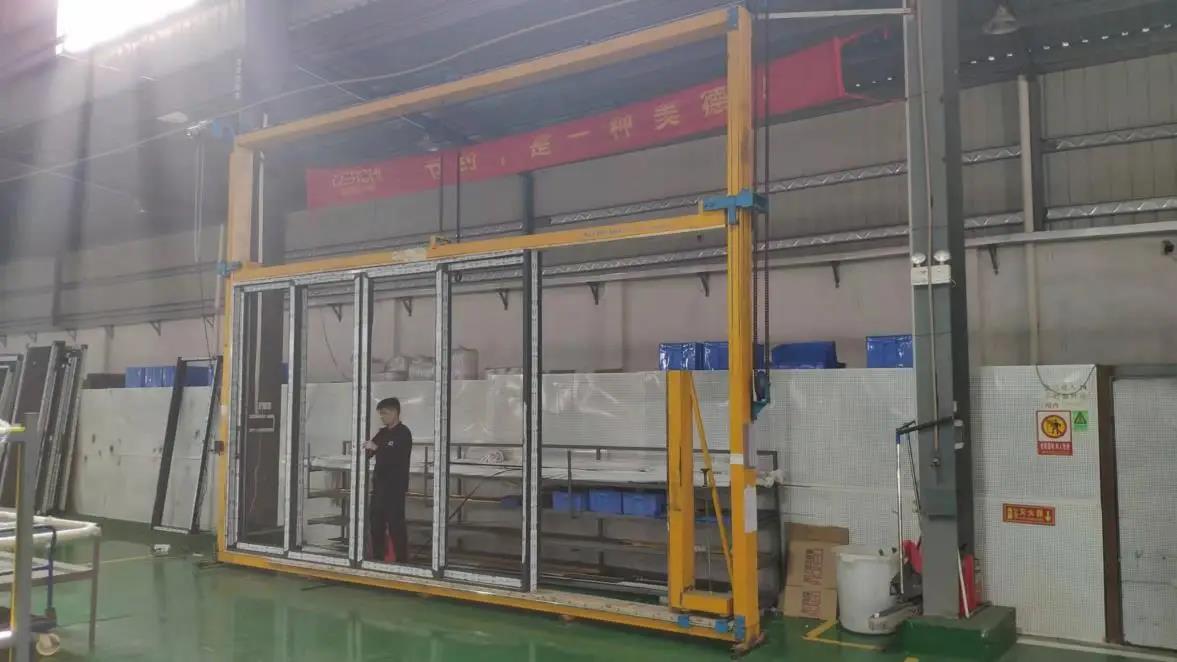
China Factory 4.0: Supply Chain Resilience & Manufacturing Steps
15-Step Precision Manufacturing Process Ensuring Zero-Defect Architectural Glazing Delivery
Macro Industry Architectural Solutions
Tailored Glazing Configurations for Diverse Climatic & Structural Engineering Demands
Coastal & Hurricane Zones
For projects in the Caribbean and North American coastal regions, window systems feature laminated PVB/SGP interlayers and heavy-duty corner crimping. Certified to withstand missile impact tests and positive/negative wind pressures exceeding 4500 Pa (DP60–DP90 ratings).
Commercial High-Rise Towers
Incorporating custom curtain wall mullions, structural silicone sealant bonding, and integrated louvers. Designed for maximum daylight penetration, thermal acoustics (STC up to 45 dB), and automatic electric motor operation linked to building management networks.
Luxury Residential & Villas
Focusing on ultra-slim sightlines, flush-sill threshold drain tracks, and multi-track folding/sliding doors. Combines interior aesthetic warmth (aluminum-wood composite options) with zero-maintenance exterior weatherability.
Localization Support, Quality Compliance & B2B Procurement
Ensuring Seamless International Importation, Regional Standard Adherence, and Risk Mitigation
International Certification Standards
Navigating global building codes requires strict compliance verification. Premium Chinese aluminum and glass door manufacturers maintain internationally recognized testing credentials:
- North America (NFRC / AAMA / ASTM): Thermal U-factor rating, Solar Heat Gain Coefficient (SHGC), and ASTM E1886/E1996 hurricane impact resilience.
- European Union (CE / EN 14351-1): Strict conformity for air permeability, water tightness, and structural load bearing capacity.
- Australia & Oceania (AS2047 / AS1288): Verified deflection, structural wind load, and acoustic insulation compliance.
- Management System (ISO 9001 / ISO 14001): Total quality control and environmental manufacturing governance.
B2B Procurement Risk Management
Procuring custom facade components overseas demands rigorous risk containment protocols. Key evaluation frameworks include:
- Supply Chain Transparency: Direct supplier partnerships with over 1,100 raw material vendors ensure uninterrupted access to raw billets, EPDM gaskets, and specialized hardware (Siegenia, Hoppe, Roto).
- Custom Mockup & Prototyping: Pre-production physical sampling and digital BIM/CAD shop drawing approval prior to full mass production runs.
- Export Freight Packaging: Custom plywood crates with corner guards, moisture-barrier wrapping, and anti-shock rubber blocks for safe maritime container transport.
Advanced Windows, Louvers & Smart Skylights
Explore Extended Architectural Glazing Solutions Engineered for Engineering Specifications
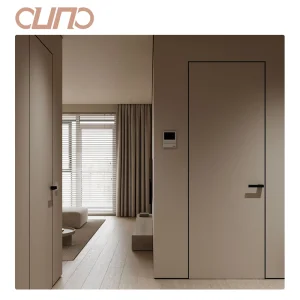
OUNA Whole House Aluminum Wood Interior Doors Custom Sizes and Colors for Consistent Home Style Living Room Bedroom
View Product Specs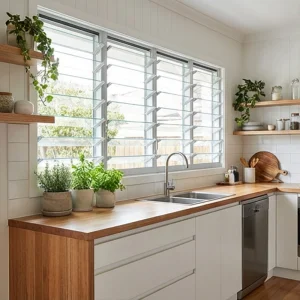
OUNA Fixed Exterior Aluminum Sun Louver System Custom Spacing and Angle to Block Direct Sunlight and Reduce Glare
View Product Specs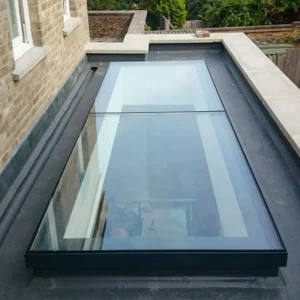
OUNA Smart Home Integrated Aluminum Skylight Can Link with House System for Auto Ventilation and Rain Closing Modern Living
View Product Specs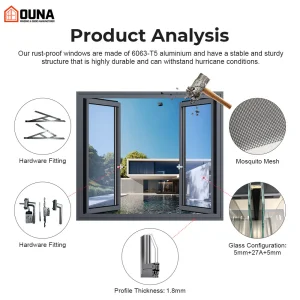
OUNA High Quality Black Powder Coated Aluminum Casement Window Double Glazed Tempered Glass Soundproof Thermal Insulation Window
View Product Specs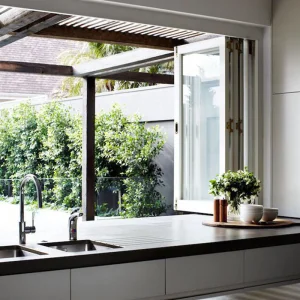
OUNA Minimalist Aluminum Alloy Frame Folding Window Clean Lines and Robust Construction for Contemporary Apartments
View Product Specs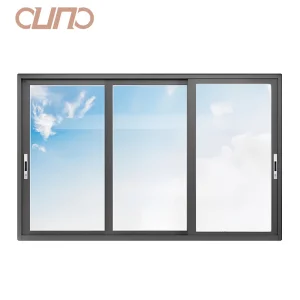
OUNA NFRC American Hurricane Impact Aluminum Fixed Picture Windows Double Glazed Panoramic View Aluminum Sliding Windows
View Product Specs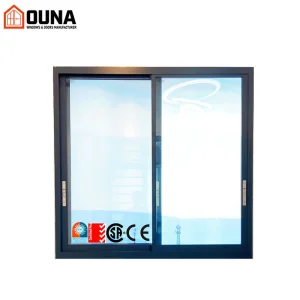
OUNA Sliding Window Hurricane Impact Proof Aluminum Energy Efficient NFRC AS2047 Glass Double Glass Aluminum Window
View Product Specs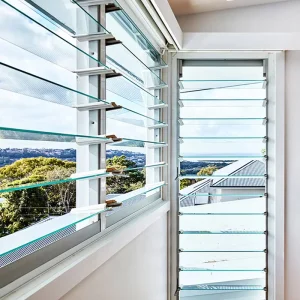
OUNA New Design Factory Doors Window Custom Residential Bathroom Aluminium Louver windows Design Price Wooden Louvered windows
View Product SpecsFrequently Asked Technical & Procurement Questions
Addressing B2B Buyer Intent, Engineering Queries, Certification Requirements, and Logistic Parameters
Q What parameters define true thermal break aluminum glass door efficiency?
Thermal efficiency relies on the presence of a non-conductive barrier—typically Polyamide PA66 GF25—separating outer and inner aluminum profile extrusions. Combined with Double/Triple-pane Low-E insulated glass units (IGU) filled with 90%+ Argon gas, high-performance units achieve U-factors below 0.24 BTU/h·ft²·°F (1.4 W/m²K), dramatically suppressing solar heat gain and eliminating interior surface condensation.
Q How do Chinese manufacturers guarantee compliance with North American NFRC & ASTM standards?
Reputable manufacturers like Novax subject their window and door assemblies to third-party testing labs certified by Intertek or UL. Tests evaluate structural wind pressure (ASTM E330), water penetration (ASTM E331), air infiltration (ASTM E283), and large missile impact resistance (ASTM E1886/E1996) required for Florida HVHZ (High Velocity Hurricane Zones).
Q What are the minimum order quantities (MOQ) and production lead times for wholesale architectural orders?
Standard project MOQ typically ranges from 50 to 100 square meters depending on profile customization. Production lead times for custom anodized or PVDF-coated aluminum profiles generally span 25 to 35 days, with expedited prototyping options available in as little as 10 to 14 days following final shop drawing sign-off.
Q Why choose anodized or PVDF finishes over standard powder coating for coastal applications?
While standard powder coating suffices for inland climate zones, coastal environments with high salt mist concentration require PVDF (Kynar 500) or Class I Anodized finishes (minimum 18–25 microns thickness). PVDF resists chalking, UV degradation, and chemical erosion, retaining color fidelity for over 25 years without flaking.
Q How does automated smart glass and motorization integrate with home automation systems?
Electric skylights and motorized sliding doors utilize standardized dry-contact relay controllers, RS485 interfaces, or wireless protocols (Zigbee/Z-Wave/Wi-Fi). These can interface directly with smart building systems (BMS) for automatic rain sensor closing, temperature-triggered ventilation, or remote smartphone app operation.
Q What glass configurations are recommended for maximum acoustic insulation in commercial projects?
Acoustic soundproofing is maximized by using asymmetric glass thickness (e.g., 6mm outer pane + 12mm air gap + 8mm inner pane) or acoustic laminated glass containing PVB or acoustic interlayers. This configuration disrupts sound wave resonance, achieving Sound Transmission Class (STC) ratings up to 42–45 dB for urban storefronts and hotel applications.