Novax Window Solutions
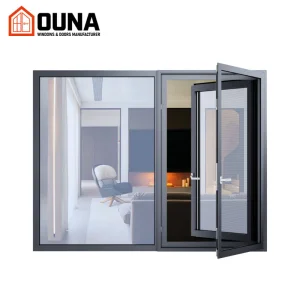
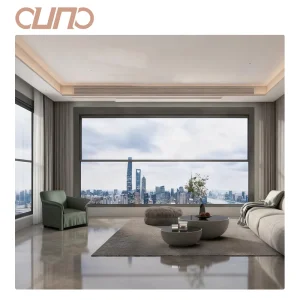
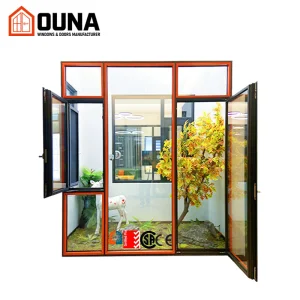
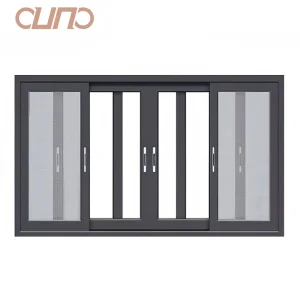
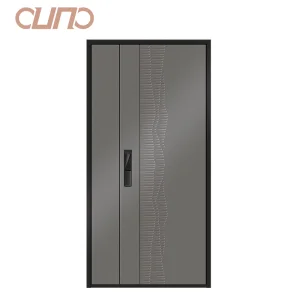
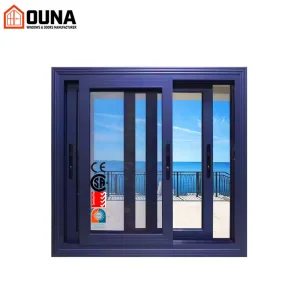
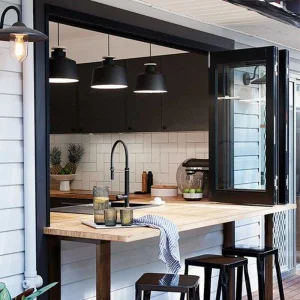
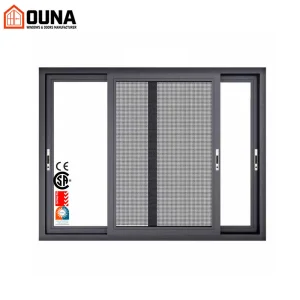
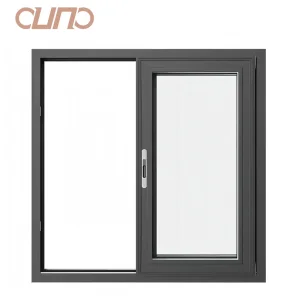
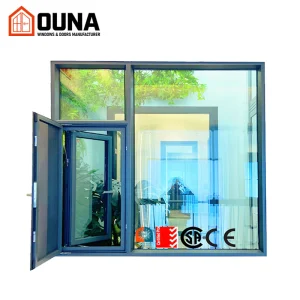
Featured Architectural Window & Door Systems (Part 1)
Engineered for extreme structural integrity, high-efficiency thermal breaks, hurricane impact resilience, and precise architectural compliance across global commercial and residential sectors.
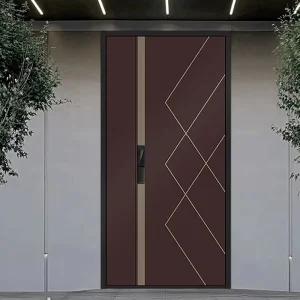
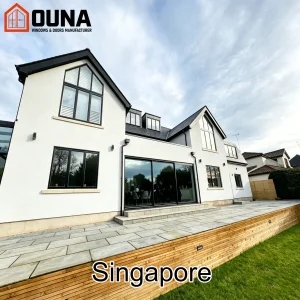
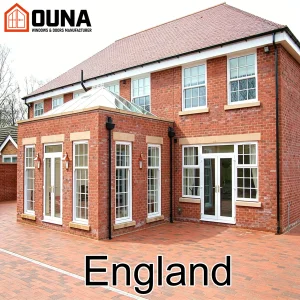
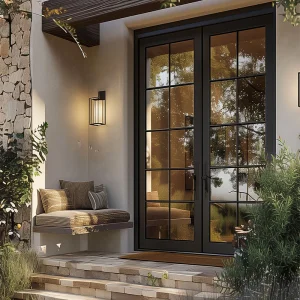
Global Architectural Fenestration Market Landscape (2025–2030)
The commercial and luxury residential fenestration landscape is undergoing a massive structural shift. Driven by stringent global decarbonization targets, updated structural building codes, and an increasing demand for expansive glazing areas, architectural specification teams are rapidly pivoting toward ultra-high-performance aluminum window and door systems. Aluminum's inherent strength-to-weight ratio allows structural engineers to specify ultra-slim frame sightlines without compromising wind-load resistance or deflection limits under extreme atmospheric pressure.
Modern architectural aluminum fenestration is no longer considered a passive structural element; it functions as a highly complex dynamic building envelope. Key engineering parameters including Thermal Transmittance (U-Factor), Solar Heat Gain Coefficient (SHGC), Acoustic Sound Transmission Class (STC), and cyclic dynamic wind pressure ratings dictate product selection for high-rise commercial structures and luxury coastal estates alike.
The Benchmark Analysis: Top 10 Aluminum Window Manufacturers & Suppliers Globally
To assist general contractors, architectural procurement executives, and real estate developers in identifying tier-one manufacturing partners, our technical research team evaluated global manufacturers based on vertical production capacity, system engineering depth, material extrusion purity, quality control frameworks, and compliance with international standards (NFRC, AS2047, CE, Florida Miami-Dade NOA).
| Manufacturer | Headquarters | Primary Specialties | Key Standard Compliance | Global Supply Capability |
|---|---|---|---|---|
| 1. Schüco International | Bielefeld, Germany | Ultra-premium high-rise curtain walls & high-isolation thermal windows | EN 14351-1, DIN EN ISO 9001, Passive House Certified | Global Enterprise / Direct Project Delivery |
| 2. Reynaers Aluminium | Duffel, Belgium | Architectural minimalism, extreme slim sightline sliding profiles | CE, Qualicoat, NFRC System Verified | Worldwide Network / System Houses |
| 3. Ningbo Novax Building Materials (OUNA) | Ningbo, China | OEM/ODM High-impact thermal break windows, luxury project customization | Florida Miami-Dade NOA, NFRC, AS2047, CE, ISO9001 | Direct Export: North America, Caribbean, South America |
| 4. YKK AP Inc. | Tokyo, Japan | Commercial entrance facades & mass-market structural fenestration | AAMA, NFRC, ISO14001, ASTM Design Approved | Asia-Pacific, North America Infrastructure |
| 5. Kawneer (Arconic Architectural) | Norcross, GA, USA | Storefront systems, heavy-duty structural unitized curtain walls | Miami-Dade County Approved, Florida Product Approval | North America, Europe Commercial Distribution |
| 6. Wicona (Hydro Group) | Ulm, Germany | Circal 75R recycled aluminum profiles, net-zero green building envelopes | Cradle to Cradle Certified, EN Standards | European Union & Middle East Major Hubs |
| 7. Technal | Toulouse, France | Bespoke architectural sliders, acoustic isolation casements | Qualanod, Qualicoat, ISO 9001 | EMEA & Latin American Supply Hubs |
| 8. Andersen Commercial & Aluminum | Bayport, MN, USA | Commercial aluminum extrusion profiles & residential composite fenestration | Energy Star Rated, NFRC Certified | North America Regional Footprint |
| 9. LIXIL Building Specialties | Tokyo, Japan | Smart-actuated automated window systems, high-durability anodized alloy | JIS Standards, ISO9001, CE Compliance | Global Tier-1 Commercial Distribution |
| 10. Ply Gem Commercial | Cary, NC, USA | Multi-family residential & mid-rise structural aluminum framing | AAMA / WDMA / CSA 101/I.S.2/A440 | North American Developer Supply Chains |
European System Houses
Brands like Schüco and Reynaers lead in thermal innovation, setting benchmark European norms with multi-chambered polyamide insulation struts. Their systems excel in low U-factor performance, ideal for cold climate regions requiring passive solar conservation.
American Commercial Giants
Suppliers such as Kawneer and Andersen focus heavily on high-traffic commercial storefronts and structural load dynamics. Their designs are optimized for heavy wind loading, structural silicone glazing (SSG), and strict US building code compliance.
China’s High-Efficiency Manufacturing Leaders
Manufacturers like Ningbo Novax (OUNA) represent the optimal synergy: enterprise-grade customization, vertical integration, rapid product prototyping, and stringent global certifications (Miami-Dade, NFRC, AS2047) delivered at highly competitive direct factory rates.
Structural Efficiency & Supply Chain Dynamics of Chinese Fenestration Plants
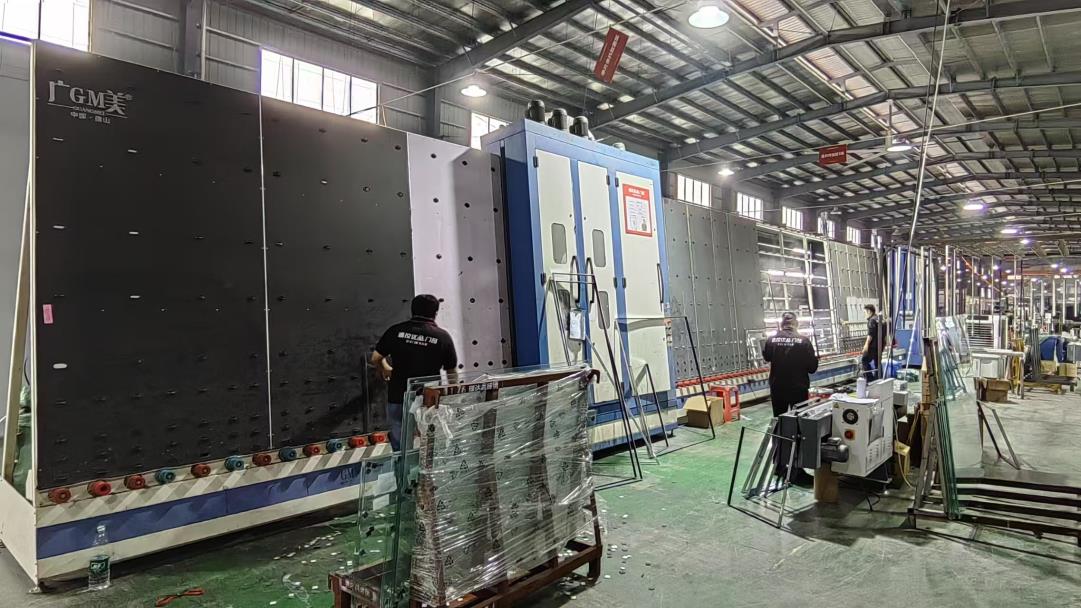
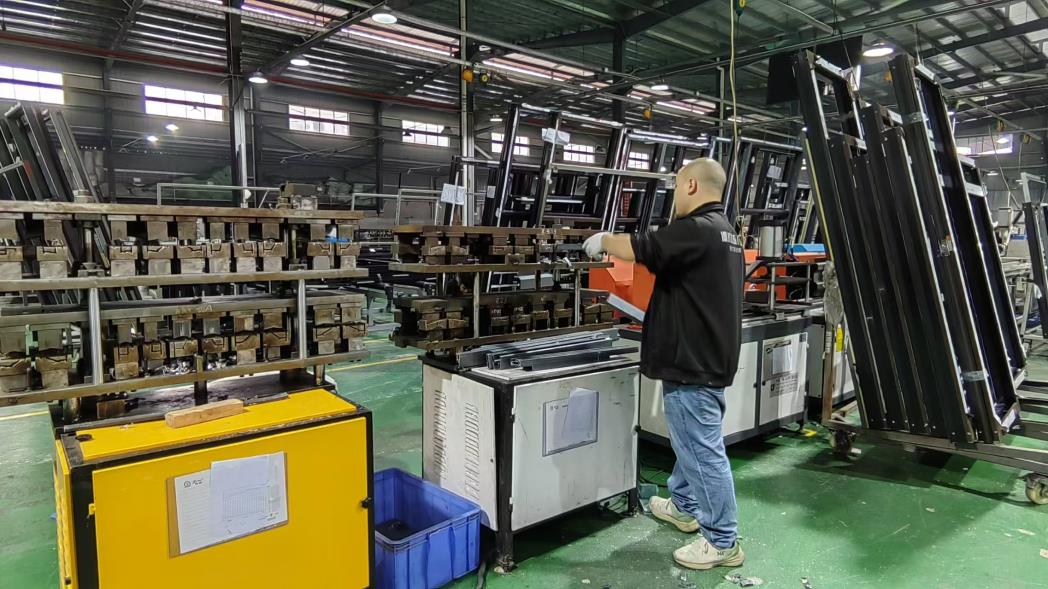
China’s fenestration supply chain infrastructure has matured into an advanced ecosystem capable of producing complex architectural elements with sub-millimeter precision. The core competitive edge of top-tier Chinese manufacturers stems from end-to-end integration: from raw aluminum ingot smelting and 6063-T5/T6 billet extrusion to surface anodizing, automated glass unit fabrication (IGU), and rigorous multi-stage quality testing.
6063-T5 & T6 Aluminum Alloys
Modern factories utilize high-grade 6063-T5/T6 primary aluminum billets containing precise silicon and magnesium ratios. This yields a tensile strength exceeding 205 MPa, guaranteeing structural resistance against intense atmospheric forces and frame torsion.
Surface Coating Systems
Advanced electrostatic PVDF (Fluoropolymer) liquid spraying and automated powder coating production lines ensure corrosion protection exceeding AAMA 2605 specifications. Surfaces resist UV degradation, chalking, and coastal salt spray up to 3,000 continuous hours.
Polyamide Thermal Barriers
By incorporating PA66 GF25 (25% glass fiber reinforced polyamide) thermal break strips between inner and outer aluminum extrusions, Chinese plants effectively eliminate thermal bridging, achieving U-factors as low as 0.8 to 1.4 W/m²K.
Ningbo Novax Building Materials Co., Ltd. (OUNA Fenestration)
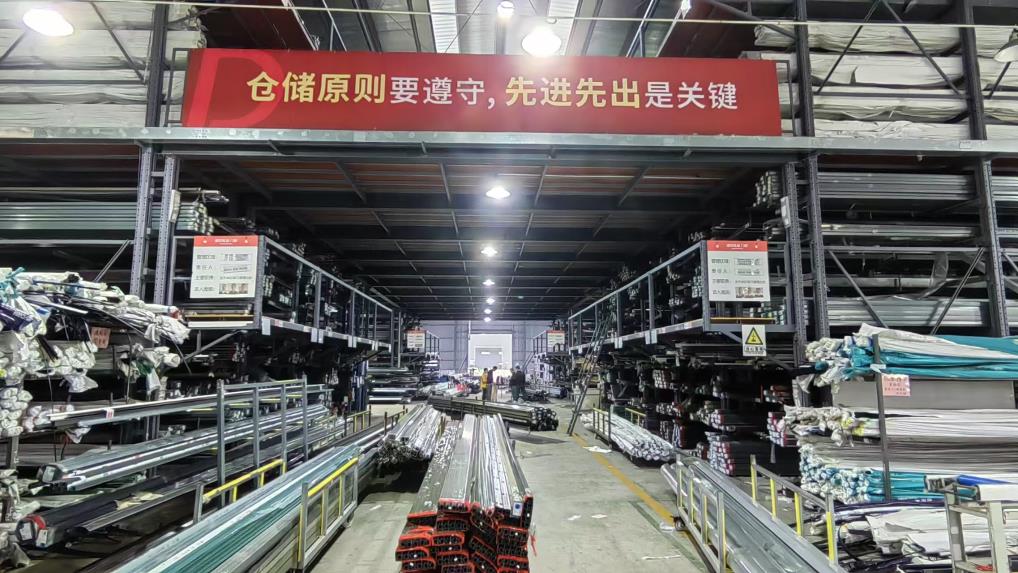
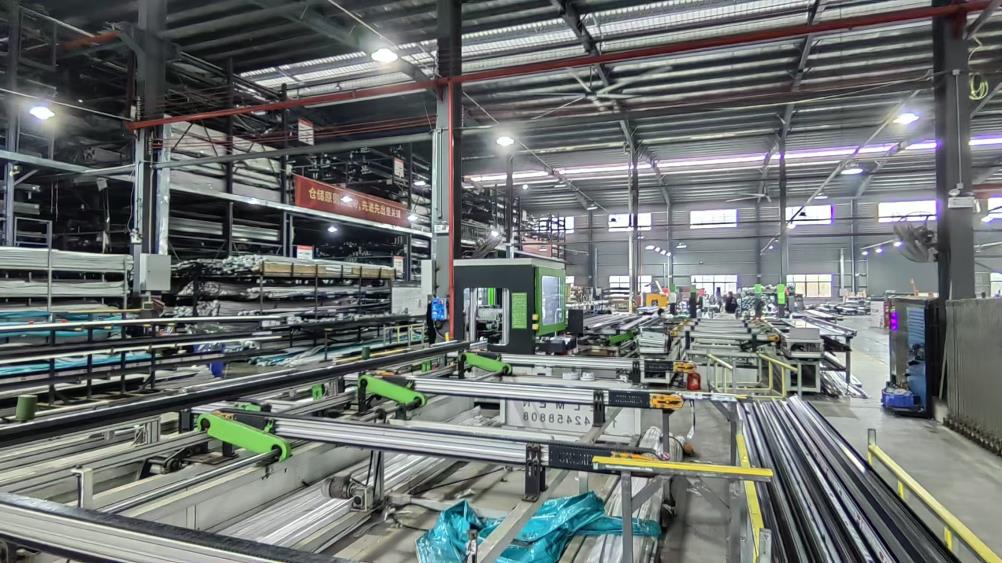
Registered in 2017, Ningbo Novax Building Materials Co., Ltd. covers an expansive production footprint of 40,000 square meters. Rooted in 9 years of specialized industry experience and 6 years of global export experience, the company achieves an annual export value of $30 million. Our key export markets encompass North America, the Caribbean, and South America, focusing on coastal commercial projects, hardware importers, and residential developers.
Product quality is maintained by 60 QC personnel executing rigorous structural load testing and hurricane impact resistance checks. Backed by strategic partnerships with 1,100 material suppliers, Novax delivers extensive customization options including heavy-duty thermal break profiles, anodized surface finishes, and smart home sensor integration. Driven by 72 R&D engineers, we brought 85 new innovative window models to market last year.
Advanced Manufacturing Process & Quality Control Infrastructure
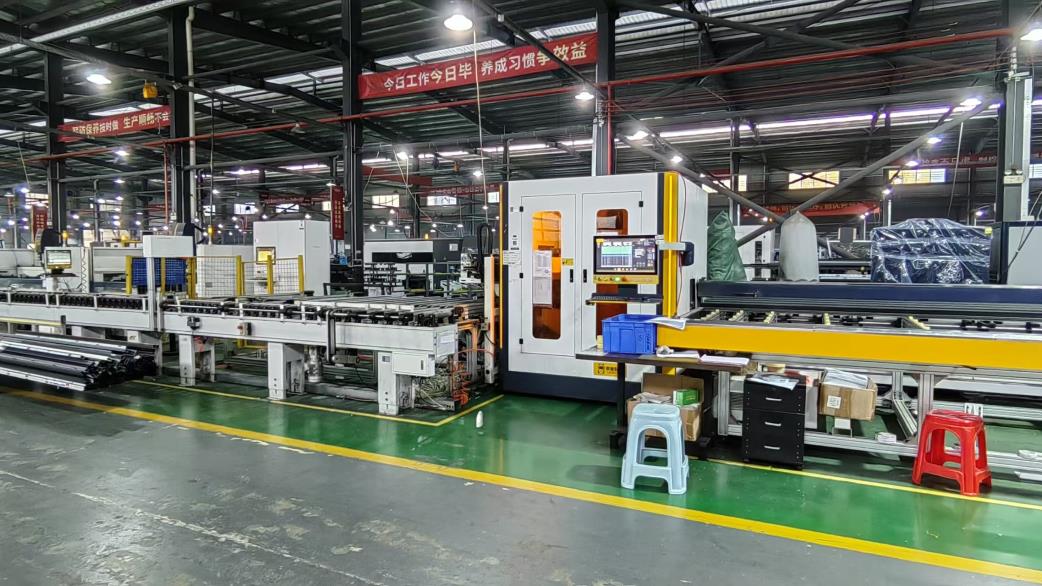
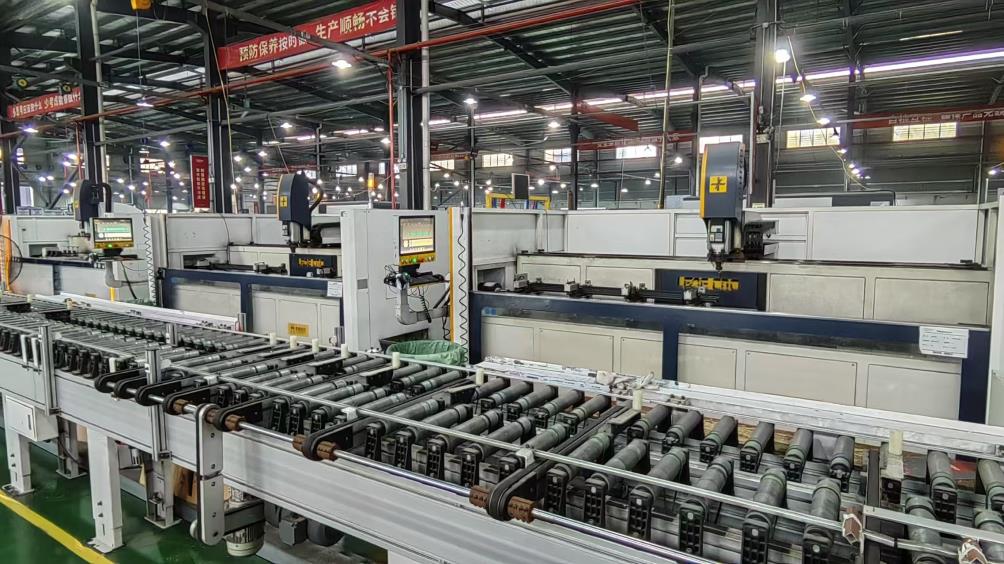
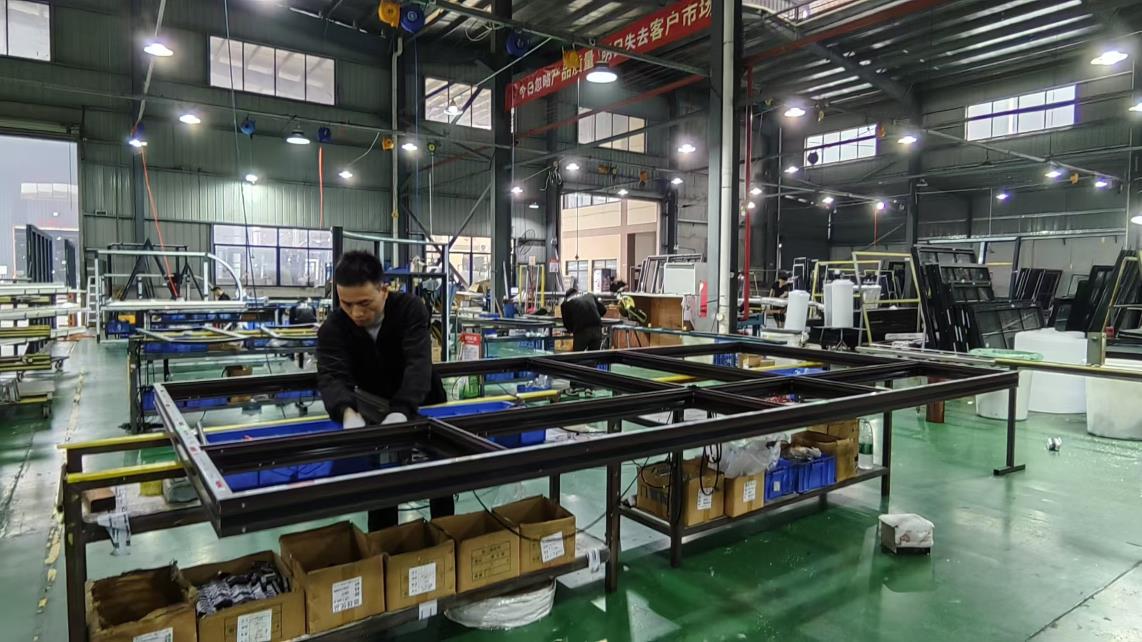
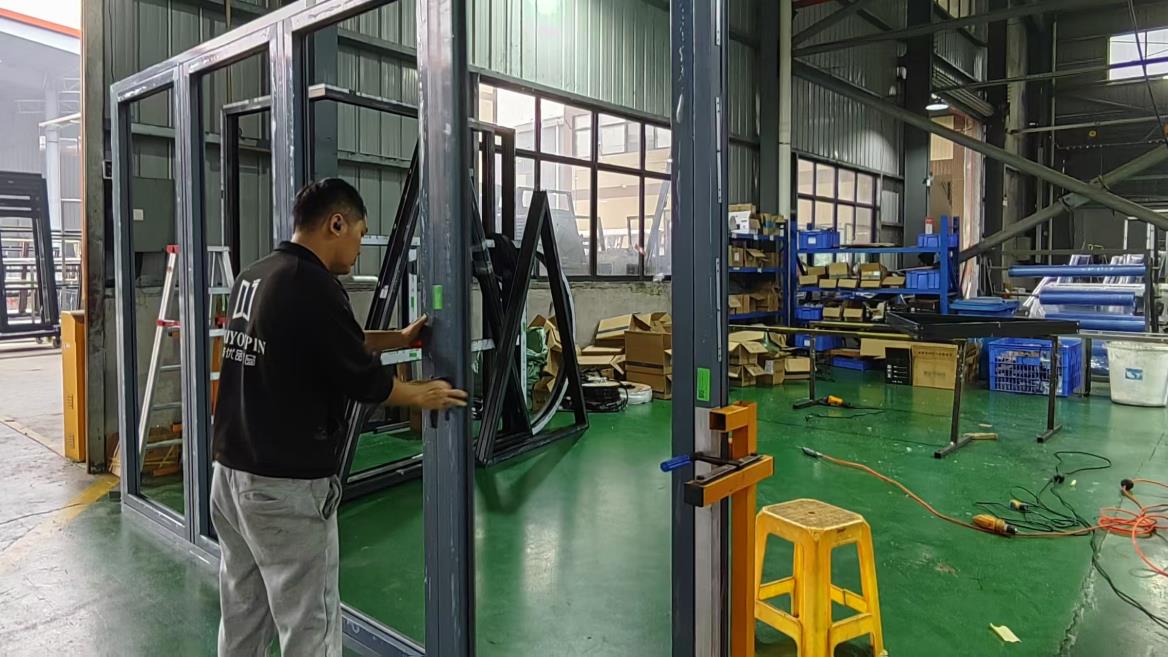
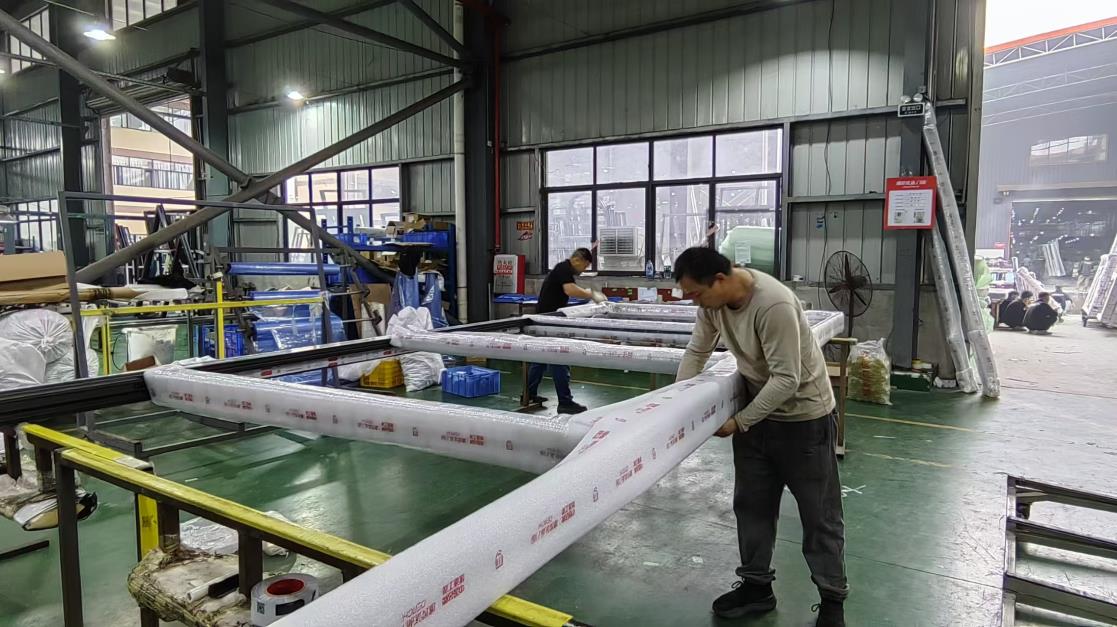
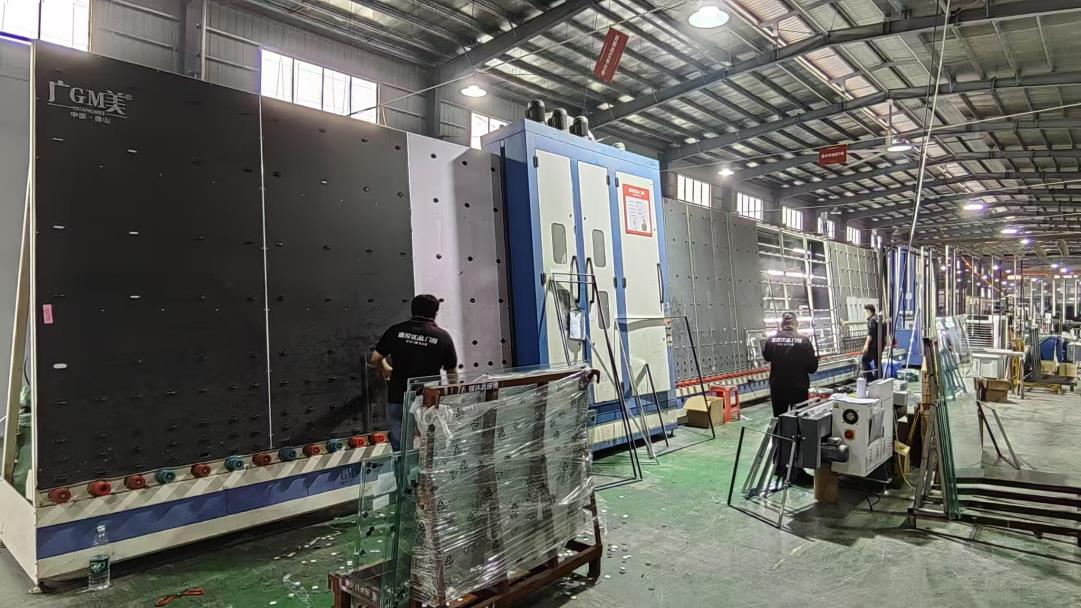
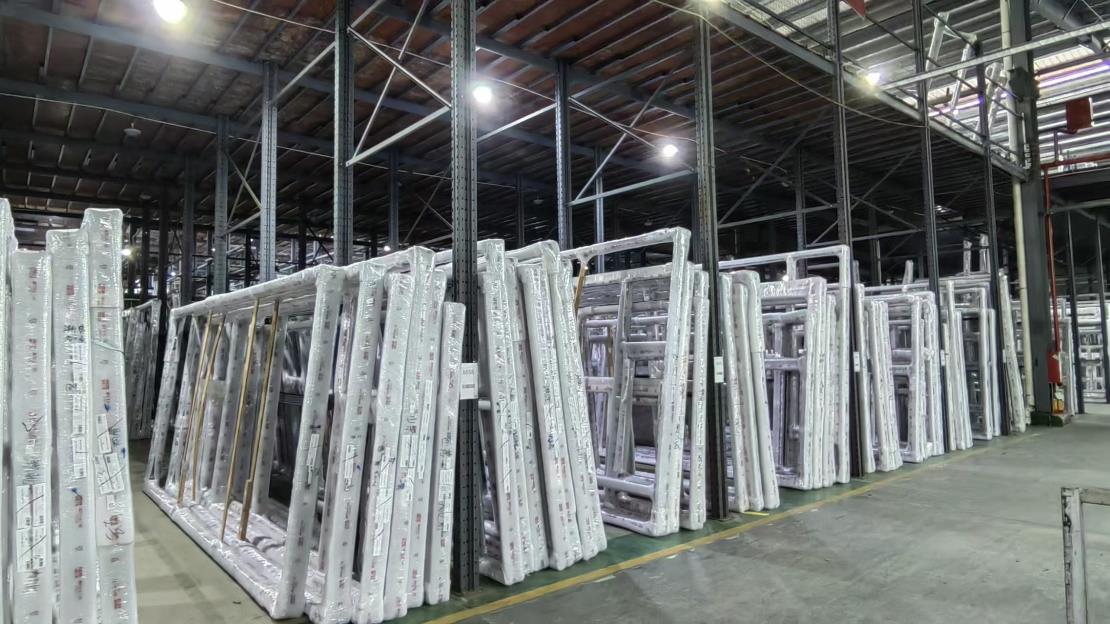
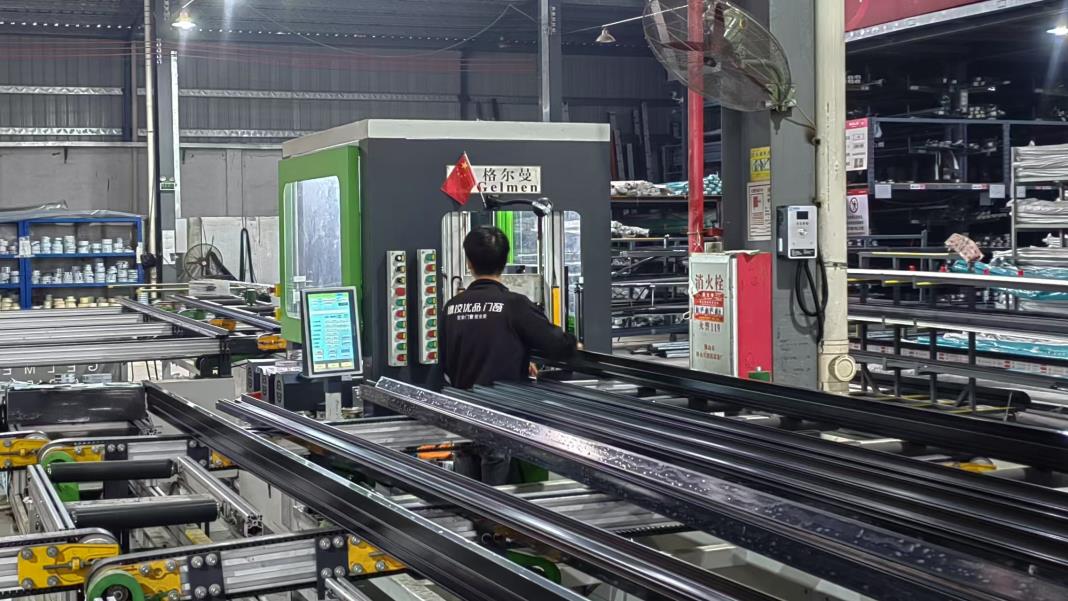
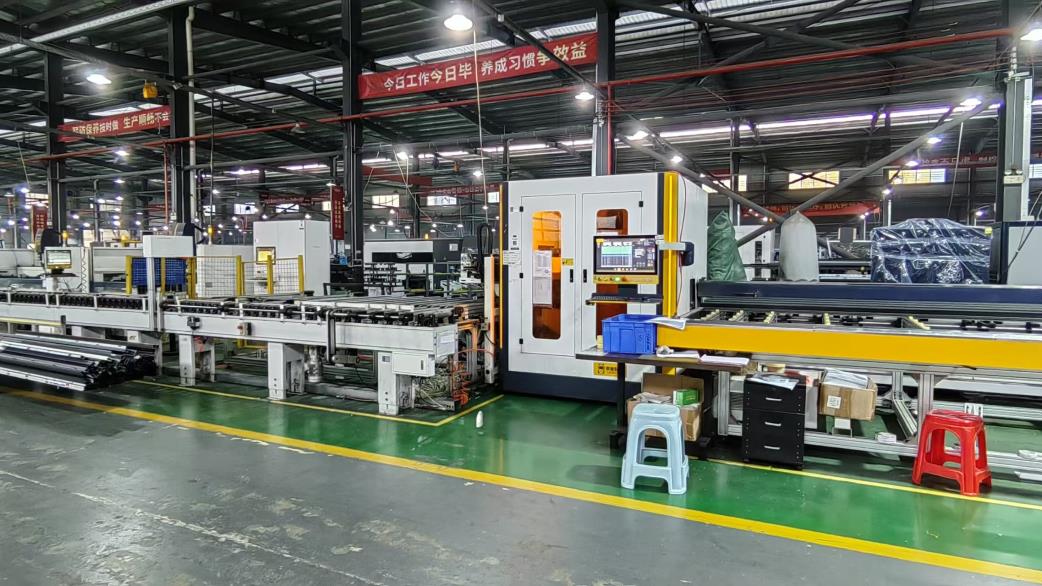
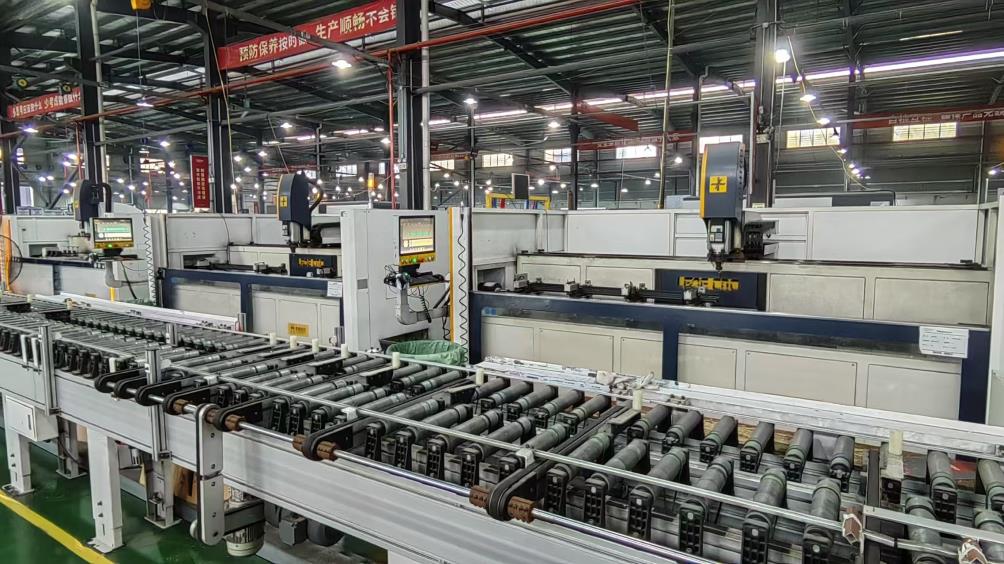
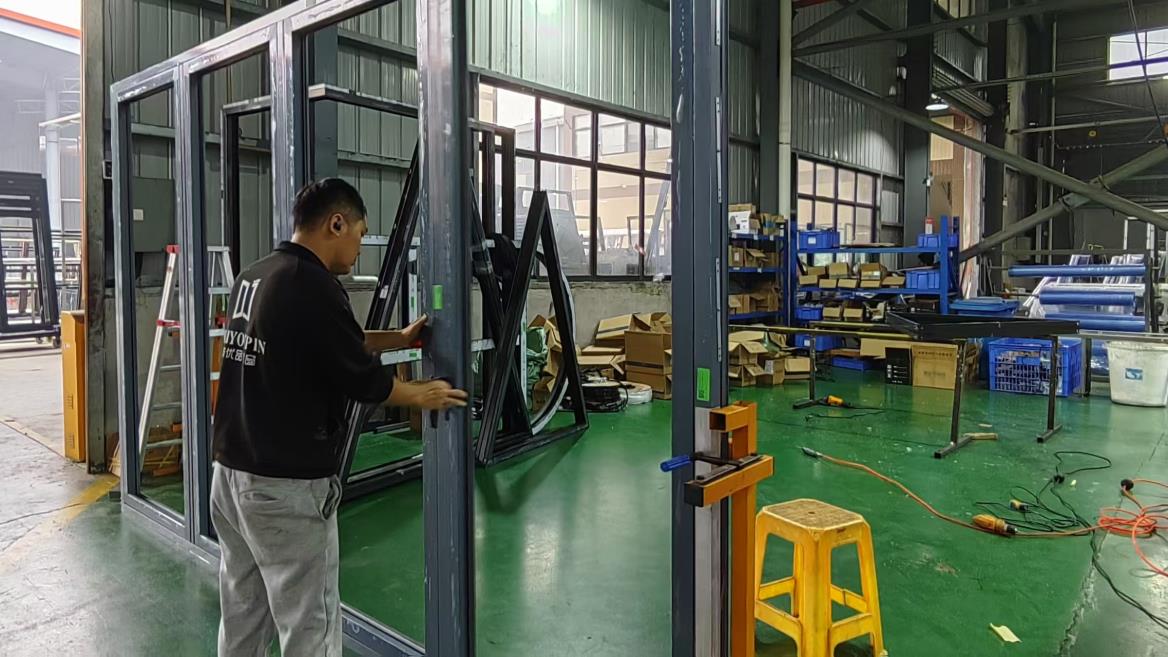
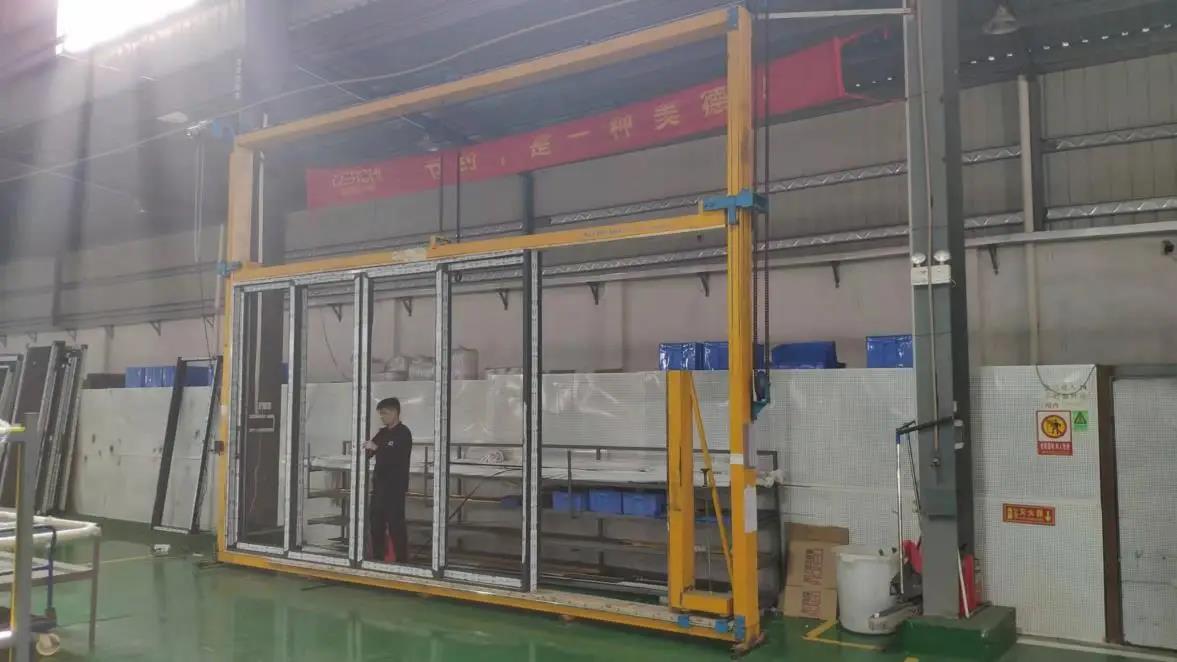
High-precision machinery guarantees absolute repeatability across multi-thousand unit real estate project orders. Below is the operational sequence executed inside Novax's 40,000 square meter manufacturing plant:
Regional Climate Engineering & Application Scenarios
Architectural fenestration design cannot follow a one-size-fits-all approach. Thermal behavior, structural wind-load requirements, solar heat gain, and corrosion risk vary drastically across global geographical zones:
North America & Coastal Hurricane Zones
In hurricane-prone regions such as Florida, Texas, and the US Eastern Seaboard, window assemblies must satisfy strict Florida Miami-Dade NOA (Notice of Acceptance) standards. Windows require laminated impact glass featuring SentryGlas® (SGP) or thick PVB interlayers capable of withstanding large missile impacts (ASTM E1886/E1996) and cyclic pressure loads exceeding +/- 90 PSF.
The Caribbean & Equatorial Island Regions
Island environments demand high resistance to severe salt-spray atmospheric corrosion (ISO 12944 C5-M category). Aluminum extrusions are specified with pre-anodized pretreatment and minimum 60-micron PVDF coatings. Systems also integrate high structural silicone depth to prevent water penetration during heavy monsoon storms.
South America & Urban High-Rise Developments
Urban developments in South America require high acoustic attenuation (STC 40+ dB rating) to block heavy ambient traffic noise. Dual or triple-glazed IGUs with asymmetric glass thicknesses (e.g., 6mm Outer + 12mm Argon + 8mm Inner) combined with multi-point perimeter locking systems provide sound dampening alongside security.
Strategic Procurement Framework for Commercial & Residential Developers
When requesting proposals (RFQs) for large-scale aluminum fenestration projects, procurement teams must evaluate manufacturers beyond baseline price-per-square-meter figures. To mitigate risk, procurement documentation should mandate the following technical criteria:
1. Extrusion & Alloy Verification
Require mill test certificates confirming 6063-T5 or T6 primary aluminum alloy. Avoid secondary/recycled scrap alloys in load-bearing structural members unless verified by chemical spectrographic analysis.
2. Thermal Isolation & Seal Integrity
Specify continuous polyamide PA66 GF25 thermal breaks. Ensure IGUs utilize warm-edge spacer bars (e.g., Technoform) filled with 90%+ pure Argon gas, secondary silicone perimeter seals, and EPDM weather-stripping gaskets.
3. Hardware & Actuation Durability
Mandate multi-point locking mechanisms tested to minimum 50,000 duty cycles. Premium European hardware brands (e.g., Siegenia, Hoppe, G-U, Roto) or high-spec custom engineered hardware should be specified for high-use commercial doors.
4. Factory Acceptance Testing (FAT)
Contractually require mock-up testing prior to mass production. Test specimens must pass air infiltration (ASTM E283), water resistance under static pressure (ASTM E331), and structural performance under uniform load (ASTM E330).
Future Industry Trends: Smart Fenestration & Sustainable Building Envelopes
The architectural fenestration sector is rapidly converging with IoT smart home automation and green building technology. Emerging trends shaping the next decade include:
Building-Integrated Photovoltaics (BIPV)
Integration of semi-transparent solar photovoltaic glass into aluminum window systems, transforming window openings into clean renewable energy generators for zero-energy buildings (ZEB).
Automated & Smart Actuated Systems
Motorized vertical lift windows and hidden frame automated sliders controlled via integrated rain, wind, and air-quality sensors or centralized Building Management Systems (BMS).
Ultra-Low Vacuum Insulated Glass (VIG)
Replacing standard gas-filled IGUs with Vacuum Insulated Glass panels (8mm total thickness) achieving U-factors below 0.40 W/m²K, comparable to insulated solid walls.
Technical FAQ for B2B Architects & Procurement Directors
Featured Architectural Window & Door Systems (Part 2)
Explore our certified window engineering solutions including soundproof casements, electric motorized vertical lifts, and Miami-Dade approved sliding assemblies.