 Novax Window Solutions
High-Performance Osaka Sliding Window Series
Flagship thermal break and hurricane-impact sliding systems tailored for high-rise commercial developments and luxury residential projects across Kansai.
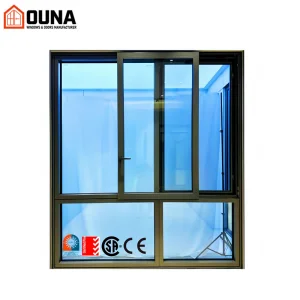
OUNA Thermal Break Aluminum Alloy Sliding Window for Balcony Double Tempered Glass Hurricane Impact AS2047 NFRC Certified
Explore Technical Specs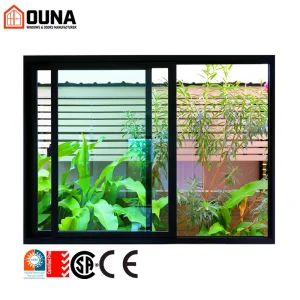
OUNA Sliding Windows Heat Insulation Custom Modern Sliding Glass Aluminum Horizontal Modern Thermal Break Window with Handle
Explore Technical Specs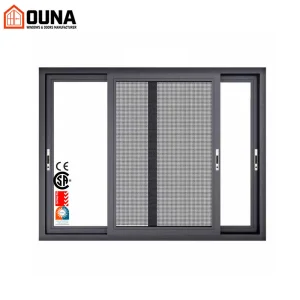
OUNA Florida Approved Miami Dade Hurricane Impact Proof NOA Glass Aluminium Sliding windows Double Tempered Glass Screen Window
Explore Technical Specs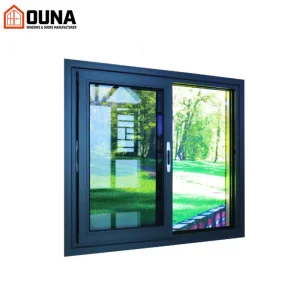
OUNA Commercial Hurricane Impact Proof Windows NFRC AS2047 Modern Windows Foshan for Residential Project Aluminum Sliding Window
Explore Technical SpecsOsaka’s Architectural Evolution & Fenestration Requirements
The Osaka metropolitan area, serving as the commercial heart of the Kansai region, presents a unique set of meteorological, structural, and environmental challenges for modern building envelopes. Urban centers like Umeda, Namba, and the bayfront development zones of Yumeshima are experiencing an unmatched wave of architectural modernization. However, constructing high-rise luxury apartments and mid-rise commercial complexes in Osaka requires strict alignment with Japan’s Building Standards Law (建築基準法) and JIS (Japanese Industrial Standards).
Fenestration systems in Osaka must withstand intense pressure variations. Located directly along the typhoon corridor of the Western Pacific, Osaka routinely encounters severe seasonal storm events accompanied by extreme dynamic wind loads up to 6,000 Pascals. Furthermore, the region’s humid subtropical climate (Köppen Cfa) mandates high-performance thermal isolation to reduce heating during humid summers and mitigate severe heat loss during winter chills.
Structural Resilience & Coastal Environmental Challenges
Coastal development near Osaka Bay introduces high atmospheric salinity, requiring architectural sliding windows to feature superior corrosion resistance. Standard anodized coatings often suffer micro-pitting over prolonged exposure to marine environments. Advanced architectural systems deployed in Osaka utilize fluorocarbon (PVDF) electrostatic coatings or electro-deposited anodized layers reaching film thicknesses exceeding 25 microns.
Equally critical is acoustic dampening. High-density residential projects adjacent to Osaka’s Hanshin Expressway or heavy rail arteries demand acoustic transmission class (STC) ratings exceeding 40 dB. Achieving this level of sound attenuation while maintaining ultra-smooth horizontal sliding operations requires heavy-duty multi-point locking mechanisms, precision-engineered EPDM rubber gaskets, and dual-seal acoustic glass units.
Global Fenestration Shifts & Technical Engineering
How worldwide advancements in structural thermal breaks, vacuum glass technology, and automated hardware are reshaping modern sliding window manufacturing.
Polyamide Thermal Barriers
Modern sliding windows have transitioned from monolithic aluminum profiles to dual-chamber thermal break configurations utilizing glass-fiber reinforced Polyamide (PA66GF25) struts. These structural thermal breaks isolate outer cold or hot aluminum elements from the internal frame, dramatically lowering thermal conductivity and eliminating interior condensation even under extreme humidity spikes.
Vacuum Insulated Glass (VIG)
Representing the cutting edge of glass technology, VIG replaces standard argon gas gaps with a microscopic vacuum space sealed between glass panes. This delivers thermal insulation comparable to solid masonry walls (U-values approaching 0.60 W/m²K) while keeping window sashes remarkably thin and light for smooth sliding performance.
Structural Laminated Impact Glass
To resist hurricane winds, flying debris, and seismic shearing, advanced window assemblies incorporate SentryGlas® Interlayers (SG) or heavy-duty PVB. Under catastrophic impact, the glass shatters but remains bonded to the structural interlayer, preserving envelope integrity and preventing pressure collapse.
Technological Roadmap & Next-Gen Innovations
Pioneering smart automation, slim sightlines, and zero-carbon aluminum manufacturing for the future of urban building envelopes.
1. Micro-Sightline Minimalist Profiles
Architects worldwide, particularly in space-conscious Japanese cities like Osaka, are demanding maximized glass surface areas. The industry roadmap points toward hidden frame tracks embedded directly within ceiling and floor lines, achieving sightlines as thin as 18mm while supporting massive sliding sash weights of over 400kg using heavy-duty stainless steel needle-bearing rollers.
2. Smart Home IoT & Motorized Automation
Future sliding windows serving Osaka’s smart residential towers are integrating concealed linear motor drives and smart air-quality sensors. Windows can automatically shift into micro-ventilation modes based on indoor CO2 levels or weather warnings, syncing seamlessly with building management systems (BMS) via Zigbee or Matter protocols.
3. Zero-Carbon Recycled Billet Alloys
Driven by strict global ESG mandates and Japan’s carbon neutrality target by 2050, top-tier suppliers are moving toward primary aluminum produced exclusively using hydro or solar power, alongside post-consumer recycled aluminum billets (exceeding 75% recycled content), drastically lowering embodied carbon.
4. Dynamic Electrochromic & BIPV Integration
Integrating Building-Integrated Photovoltaics (BIPV) into spandrel glass zones and adopting smart electrochromic tinting allows window surfaces to dynamically adjust solar heat gain coefficient (SHGC) based on real-time sunlight intensity, delivering ultimate daylighting control and localized power generation.
Macro Architectural & Industrial Solutions
End-to-end engineered window systems tailored for commercial contractors, facade consultants, and residential developers across Japan.
High-Rise Residential Towers
Custom multi-track sliding windows featuring engineered wind-load deflectors, concealed water drainage slots, and high-load structural anchors capable of handling cyclic pressure loads in towers exceeding 30 stories.
Commercial Hospitality & Office Extensions
Thermally broken sliding doors and windows with continuous perimeter EPDM seals designed for seamless indoor-outdoor transitions in boutique hotels, restaurants, and corporate office terraces.
Urban Retrofits & Energy Renovations
Non-invasive replacement frames engineered specifically to fit existing building openings across older Osaka neighborhoods, boosting energy efficiency ratings to meet modern ZEH standards without altering exterior structural concrete.
Comprehensive Sliding Window Product Line
Explore our complete range of certified thermal break, hurricane impact, and soundproof aluminum sliding window systems available for export to Osaka.
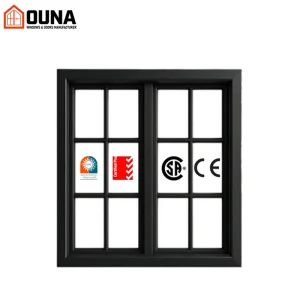
OUNA Multishades NFRC Modern Narrow Frame Soundproof Triple Glazed Low-E Aluminum Sliding Window Energy Efficient for Apartment
Explore Technical Specs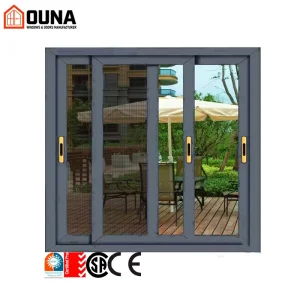
OUNA Custom Powder Coated Aluminum Sliding Window with Double Tempered Glass for House Apartment and Building Projects
Explore Technical Specs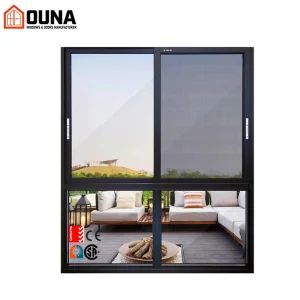
OUNA NFRC AS2047 Hurricane Proof Aluminum Sliding Windows Double Tempered Glass Heat Insulation Sliding Window for Villa
Explore Technical Specs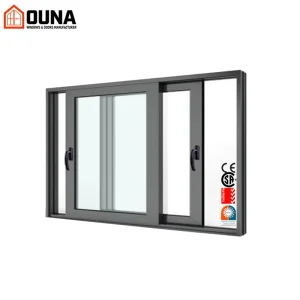
OUNA NFRC AS2047 Hurricane Impact Proof North American Latest Design Grill Sliding Window Double Glass Sliding Glass Windows
Explore Technical Specs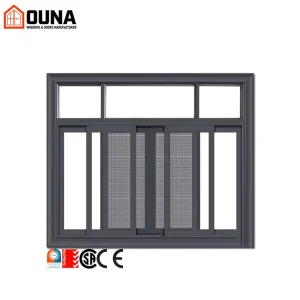
OUNA Aluminum Sliding Window Double Tempered Glazed with Screen Home Apartment Thermal Break Soundproof CE AS2047 NFRC Certified
Explore Technical Specs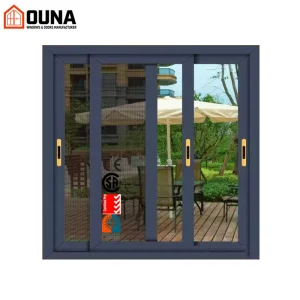
OUNA Residential Aluminum Sliding Windows Hurricane Impact Proof Modern Design Double Tempered Glazed Custom Aluminum Windows
Explore Technical Specs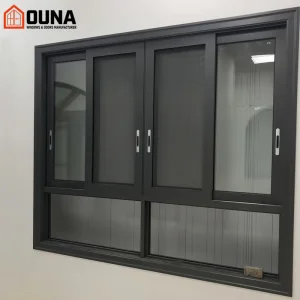
OUNA NFRC AS2047 Hurricane Impact Aluminum Sliding Windows Energy Efficient Soundproof for American House Residential Project
Explore Technical Specs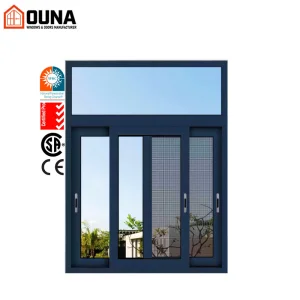
OUNA Customized Aluminum Sliding Window Double Tempered Glass Thermal Break Energy Efficient Soundproof NFRC AS2047 Certified
Explore Technical Specs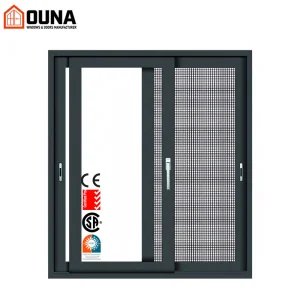
OUNA Aluminium Windows Doors House Exterior Aluminum Sliding Windows Hurricane Impact Proof Double Glazed Thermal Break Windows
Explore Technical Specs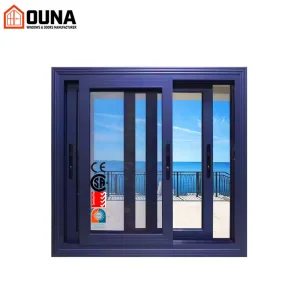
OUNA Aluminium Alloy Windows Doors House Exterior Aluminum Sliding Windows Soundproof Double Glazed Thermal Break Windows
Explore Technical Specs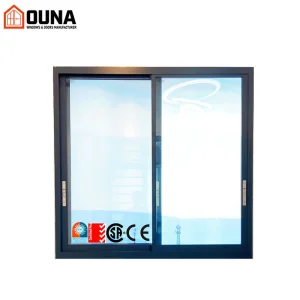
OUNA Sliding Window Hurricane Impact Proof Aluminum Energy Efficient NFRC AS2047 Glass Double Glass Aluminum Window
Explore Technical Specs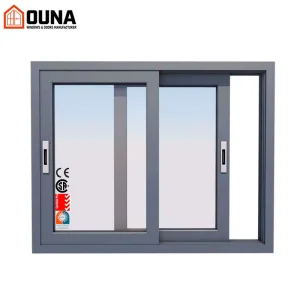
OUNA Florida Carollina Popular Hurricane Aluminum Window Customized NOA Standard Impact-resistant Sliding Window with Flyscreen
Explore Technical SpecsNingbo Novax Manufacturing Scale & Quality Control
Rigorous industrial engineering, strategic material partnerships, and international certifications backing every custom sliding window export.
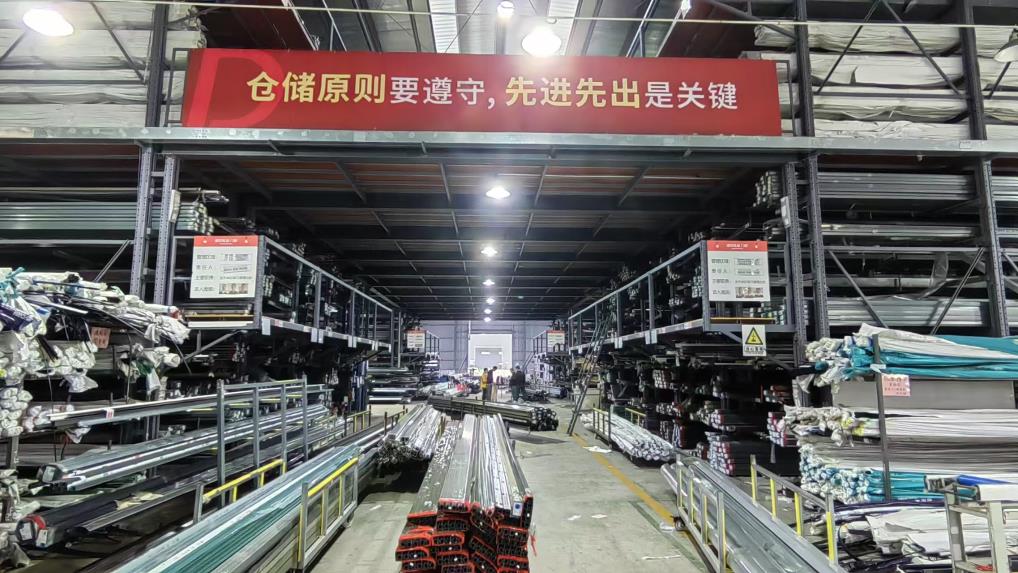
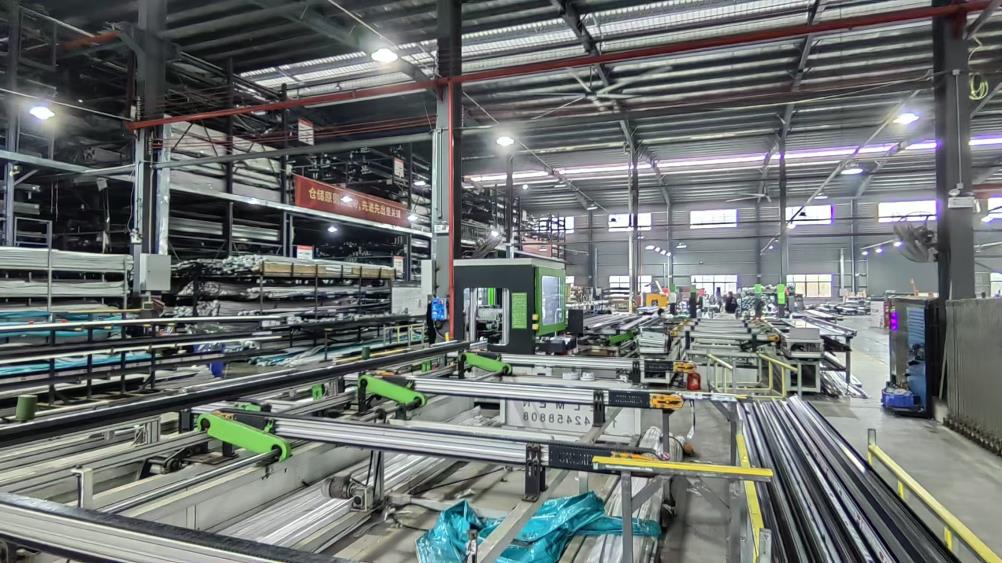
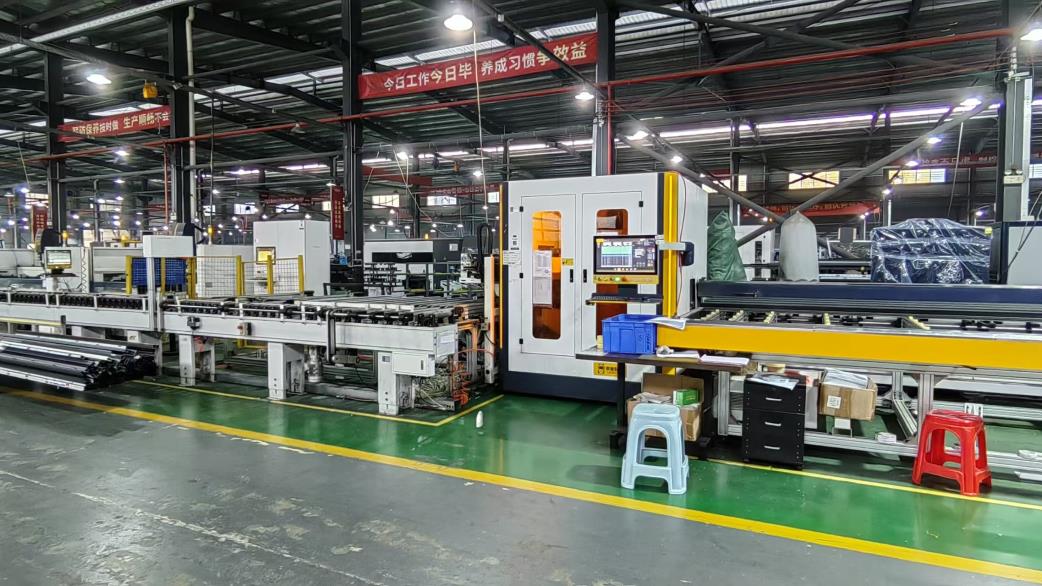
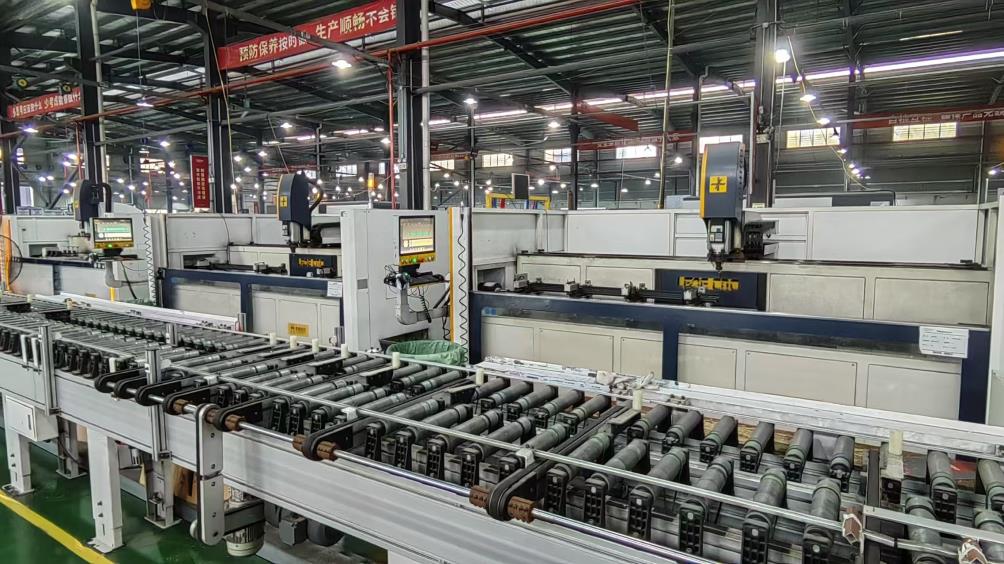
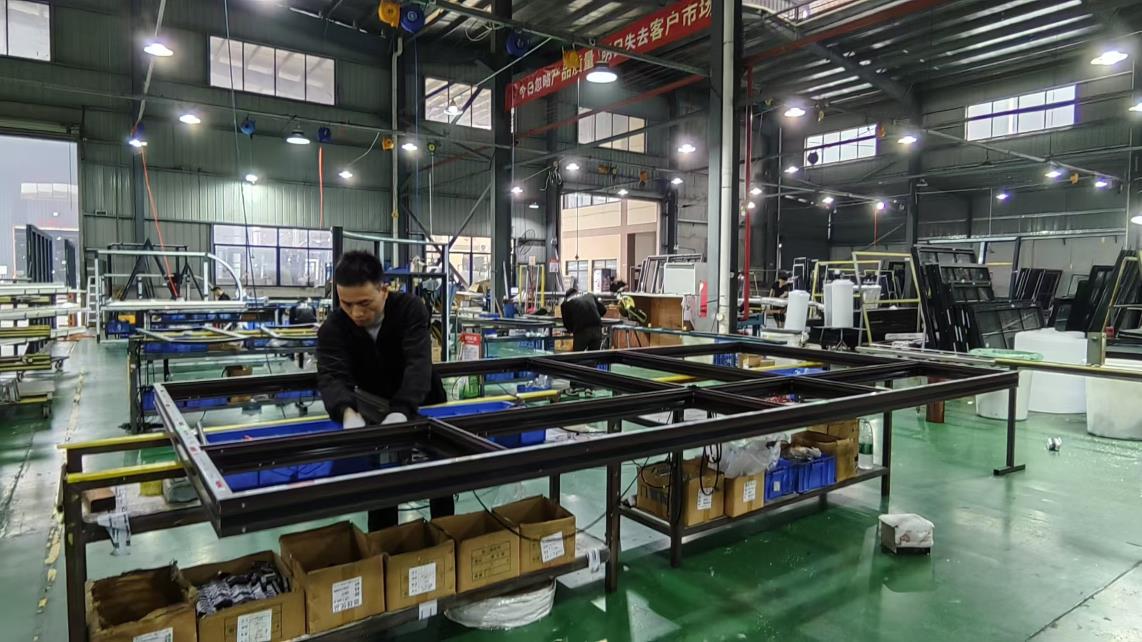
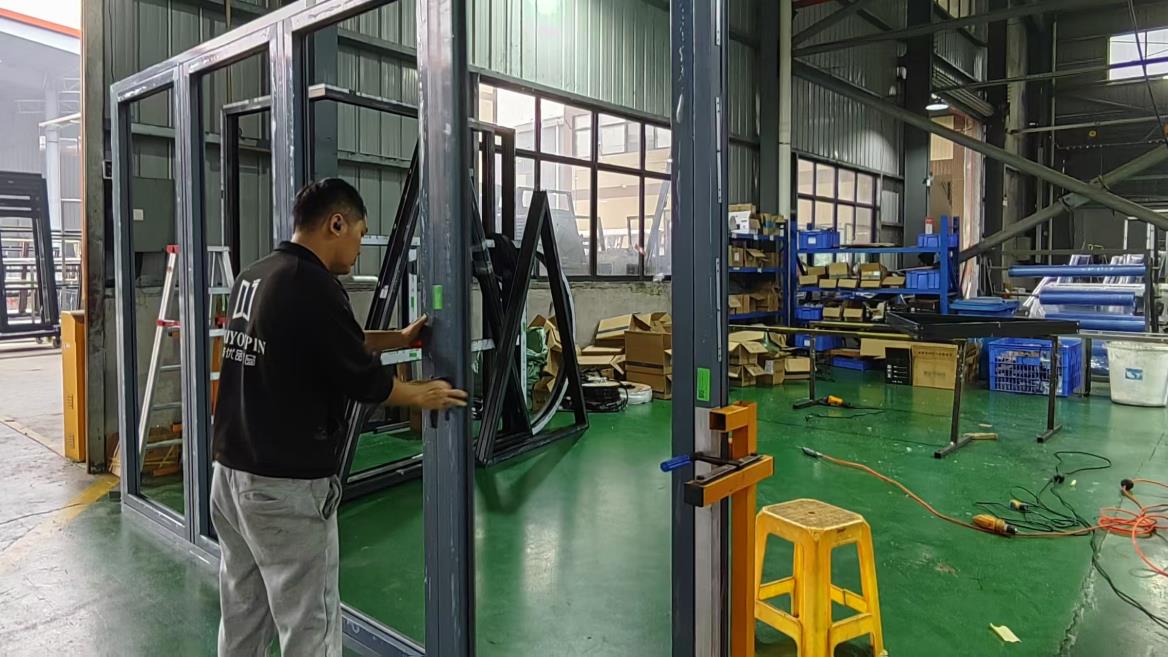
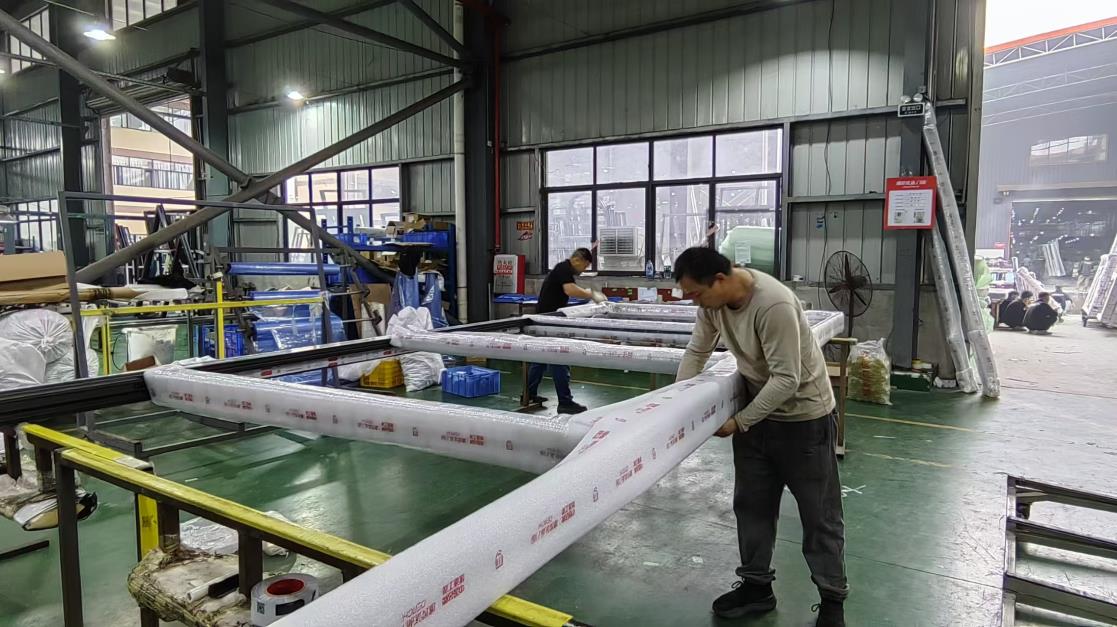
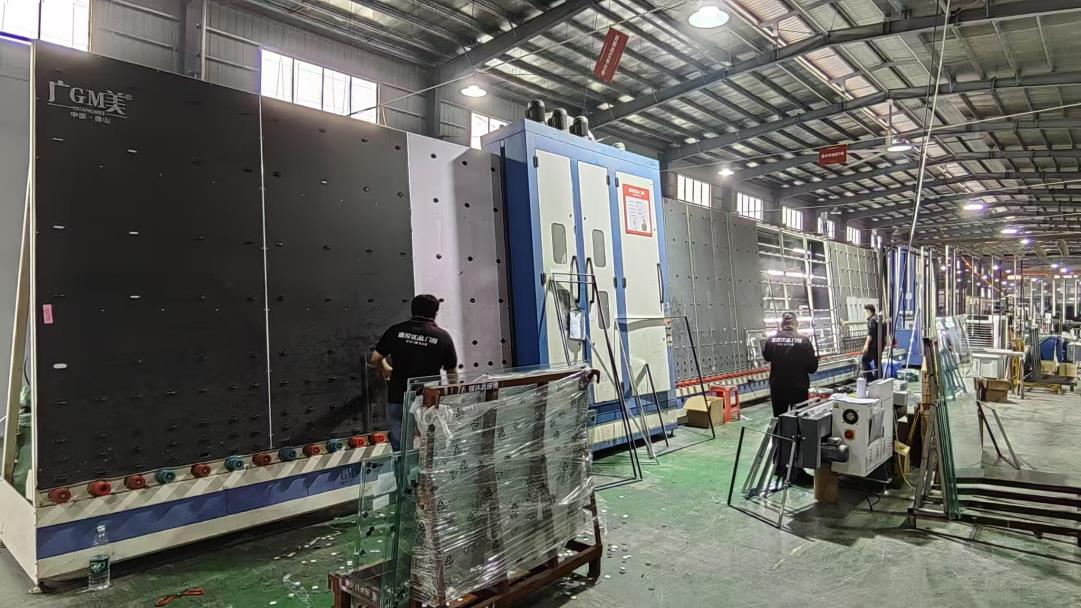
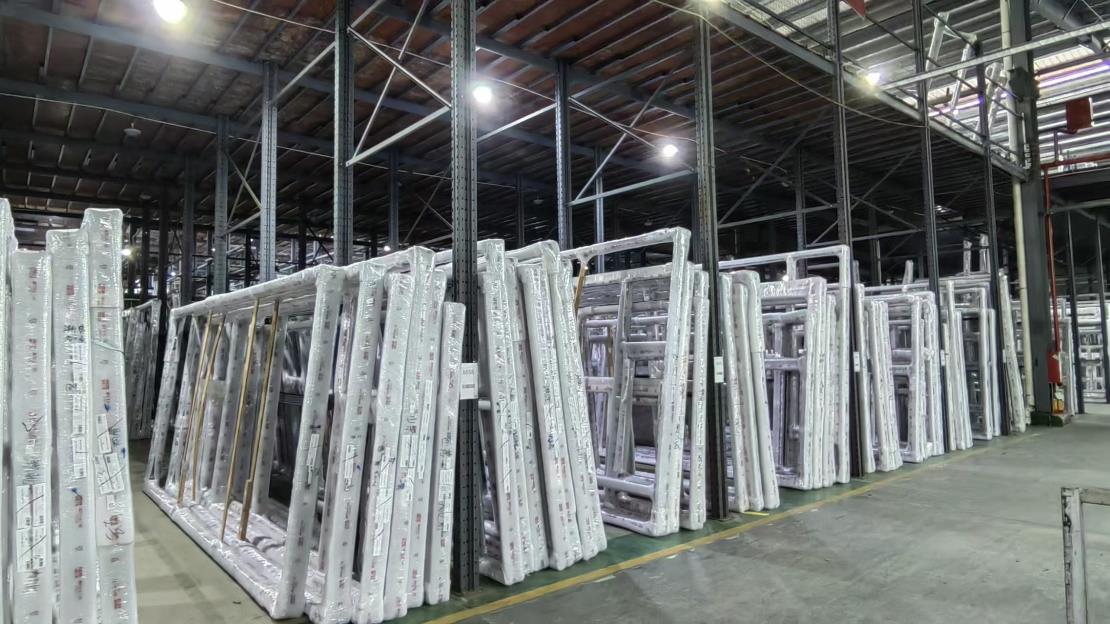
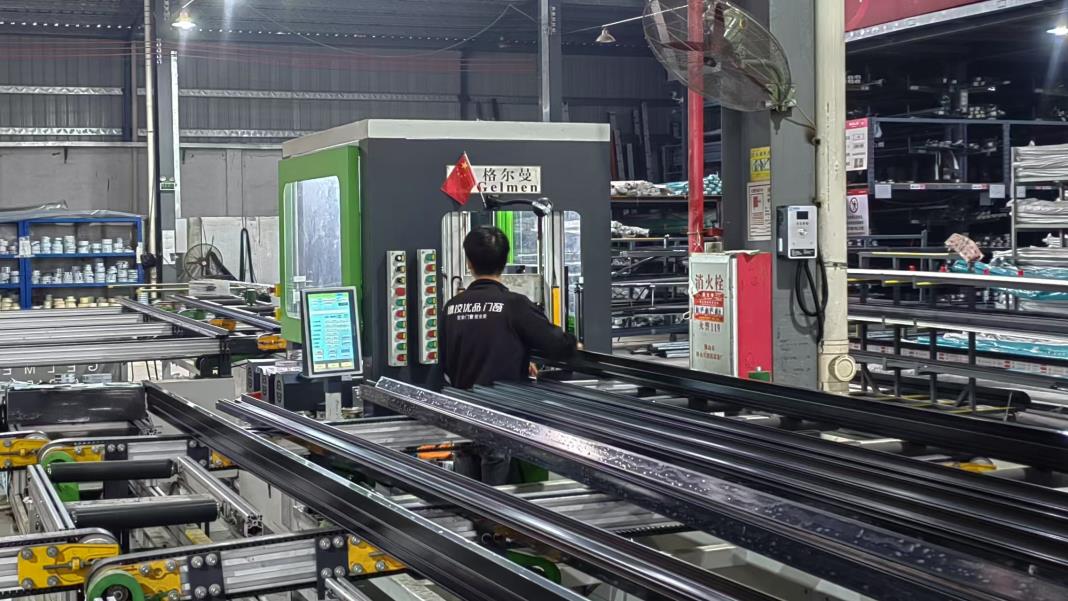
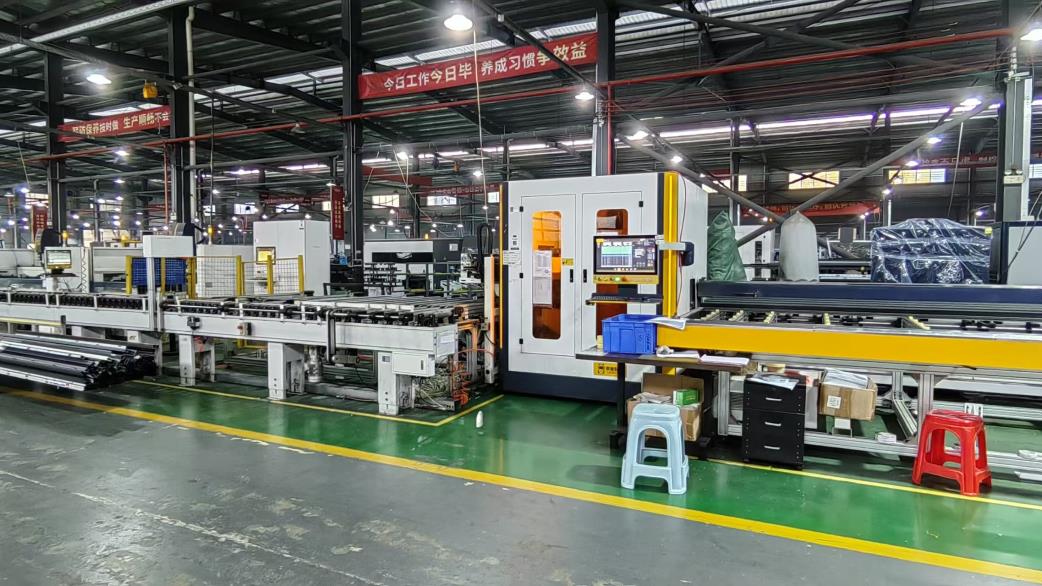
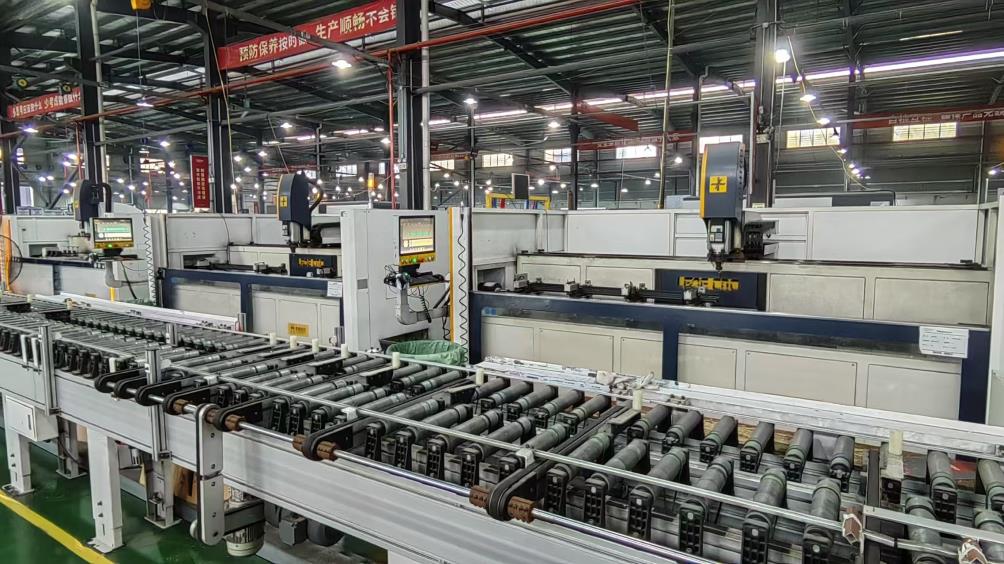
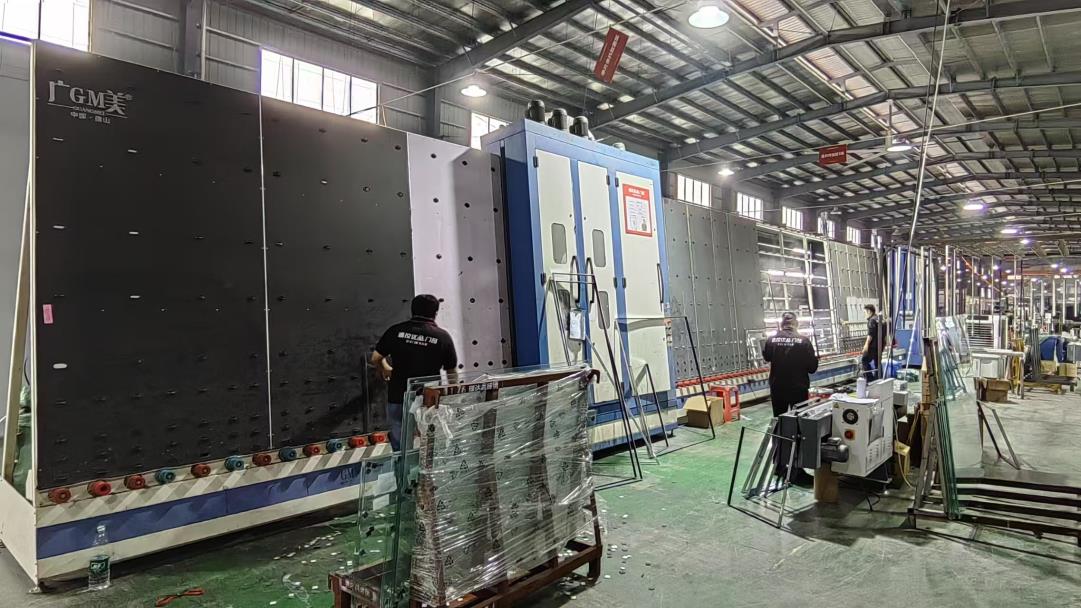
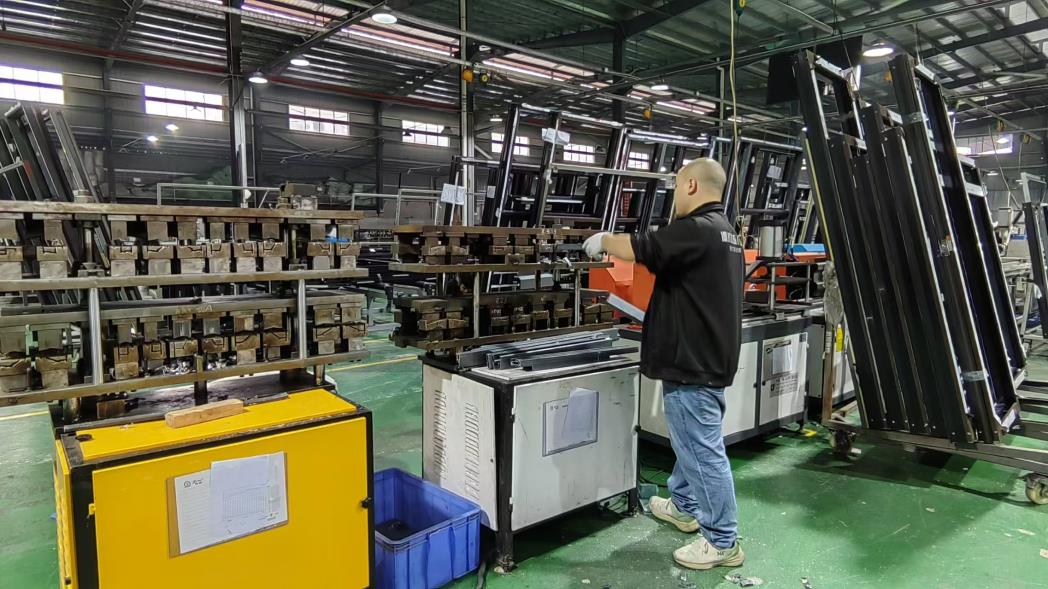
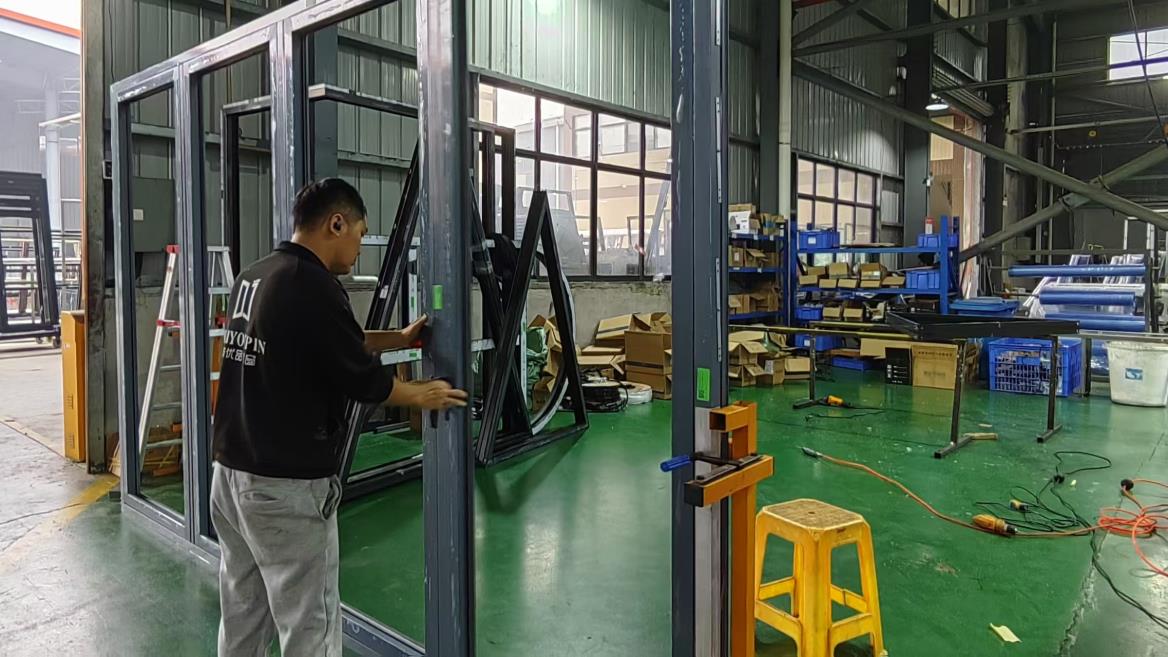
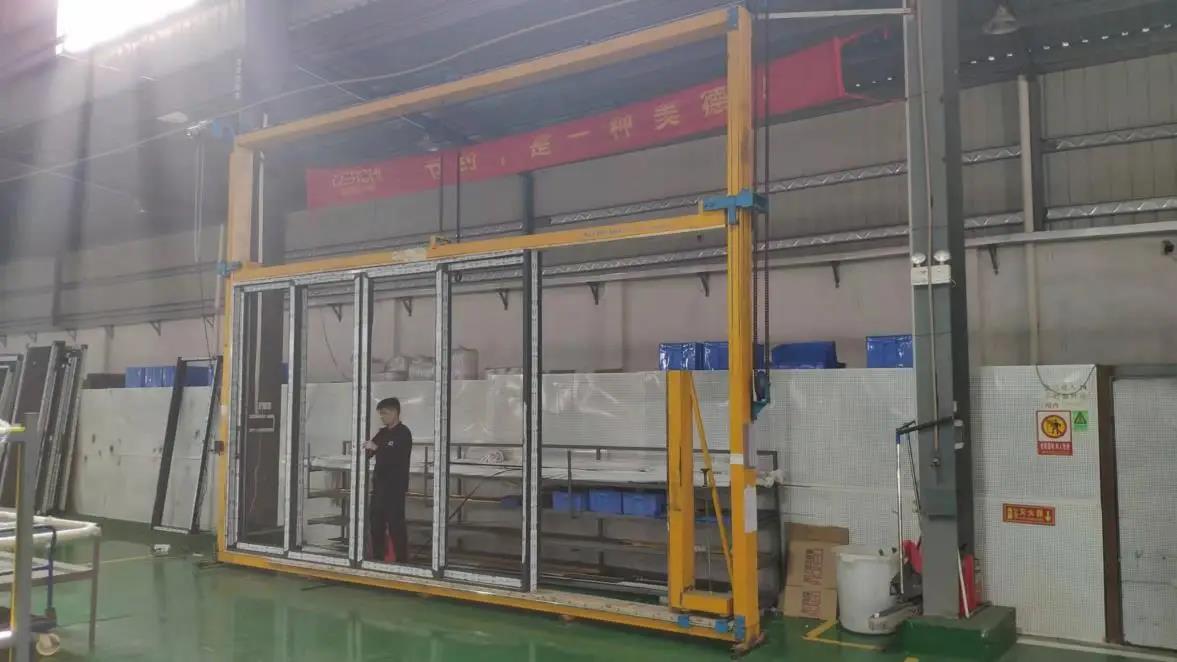
Registered in 2017, Ningbo Novax Building Materials Co., Ltd. covers an expansive production footprint of 40,000 square meters. Rooted in 9 years of specialized industry experience and 6 years of global export experience, the company achieves an annual export value of $30 million. Our key export markets encompass North America, the Caribbean, and South America, focusing on coastal commercial projects, hardware importers, and residential developers.
Product quality is maintained by 60 QC personnel executing rigorous structural load testing and hurricane impact resistance checks. Backed by strategic partnerships with 1,100 material suppliers, Novax delivers extensive customization options including heavy-duty thermal break profiles, anodized surface finishes, and smart home sensor integration. Driven by 72 R&D engineers, we brought 85 new innovative window models to market last year.
Frequently Asked Technical Questions
In-depth insights into engineering standards, custom specifications, compliance, and shipping logistics for Osaka project procurement.
Ready to Elevate Your Architectural Projects in Osaka?
Partner with Ningbo Novax Building Materials Co., Ltd. for engineering-grade sliding windows customized to your project’s thermal, structural, and acoustic specifications.
Send Inquiry Now