Novax Window Solutions
Featured High-Performance Window & Door Systems
Explore certified architectural window solutions designed for extreme hurricane zones, thermal insulation, modern minimalist villas, and commercial exterior envelopes.
1. Macro Paradigm Shift in Global Architectural Fenestration
The commercial and luxury residential construction sectors are undergoing a massive transformation driven by stringent global decarbonization mandates, evolving local building codes, and extreme weather phenomena. Modern window and door systems are no longer passive aesthetic envelopes; they are engineered thermal and structural barriers. As international standards like LEED v4.1, NFRC energy ratings, Florida Building Code (FBC) NOA approvals, and European Passive House specifications set new benchmarks, the sourcing landscape for architectural aluminum systems has gravitated toward advanced manufacturing clusters in China.
Historically viewed as high-volume production facilities, top-tier Chinese aluminum glass window exporters have transitioned into integrated engineering powerhouses. By bridging multi-chambered polyamide thermal break technology (PA66 nylon), structural silicone glazing, dynamic Low-E solar-control coatings, and automated precision fabrication, modern Chinese manufacturers deliver custom facade elements that systematically outperform legacy Western counterparts in cost-to-performance metrics.
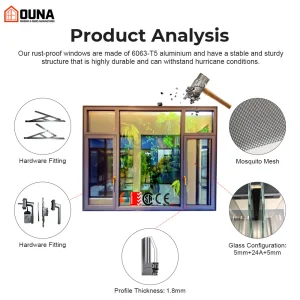
Integration of multi-chamber PA66 insulation strips reduces frame thermal conductivity, achieving U-factors below 0.18 BTU/hr·ft²·°F for severe cold climates.
Laminated architectural glass utilizing PVB or SentryGlas® interlayers withstands cyclic wind pressures exceeding 90 PST and missile impact forces.
Asymmetrical double and triple glazing units with warm-edge spacers reduce ambient noise by up to 45 dB (STC / OITC ratings).
2. Supply Chain Dynamics: Strategic Advantages of Chinese Factories
China’s dominant position as the premier exporter of architectural aluminum fenestration systems rests upon an unmatched vertical integration ecosystem. Unlike regional assemblers who rely on fragmented global supply chains, leading Chinese manufacturing hubs combine raw bauxite refining, precision 6063-T5/T6 alloy extrusion, surface anodizing/fluorocarbon powder coating (PVDF), double-glazed IGUs (Insulated Glass Units) fabrication, and final hardware integration within tight geographic industrial corridors.
Direct access to primary aluminum smelters and float glass giants like Xinyi Glass and Fuyao Glass ensures chemical stability, strict thickness tolerances, and immediate raw material availability without international freight delays.
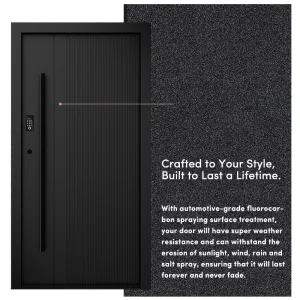
Automated vertical powder-coating lines utilizing AkzoNobel or PPG PVDF coatings deliver AAMA 2605 compliant finishes resistant to salt spray corrosion, intense UV radiation, and chalking in coastal zones.
In-house structural engineering teams provide high-precision shop drawings, thermal simulation reports (LBNL THERM modeling), and structural FEA calculations tailored for international developer submittals.
3. Corporate Blueprint: Ningbo Novax Building Materials Co., Ltd.
Registered in 2017, Ningbo Novax Building Materials Co., Ltd. represents the elite tier of Chinese architectural fenestration manufacturers. Operating across an expansive production footprint of 40,000 square meters, Novax synthesizes 9 years of specialized industry experience with 6 years of robust global export execution. Achieving an annual export value of $30 million, the enterprise serves key markets including North America, the Caribbean, and South America, focusing extensively on coastal commercial developments, architectural hardware importers, and residential villa developers.
Product quality is rigidly enforced by 60 specialized QC personnel executing structural load testing, air-water tightness verification, and hurricane impact resistance checks at every manufacturing stage. Backed by strategic partnerships with 1,100 material suppliers, Novax offers extensive customization options including heavy-duty thermal break profiles, anodized/PVDF surface finishes, and smart home sensor integration. Driven by 72 R&D engineers, Novax successfully developed and released 85 new innovative window models to market last year alone.
4. Operational Precision: Manufacturing Workflows & Machinery
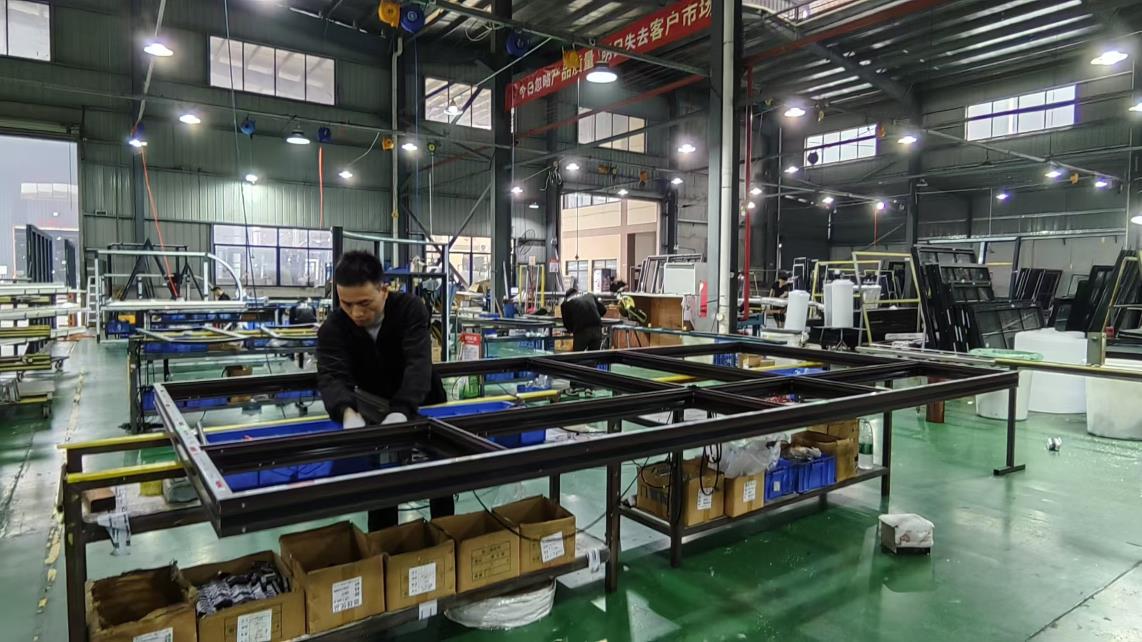
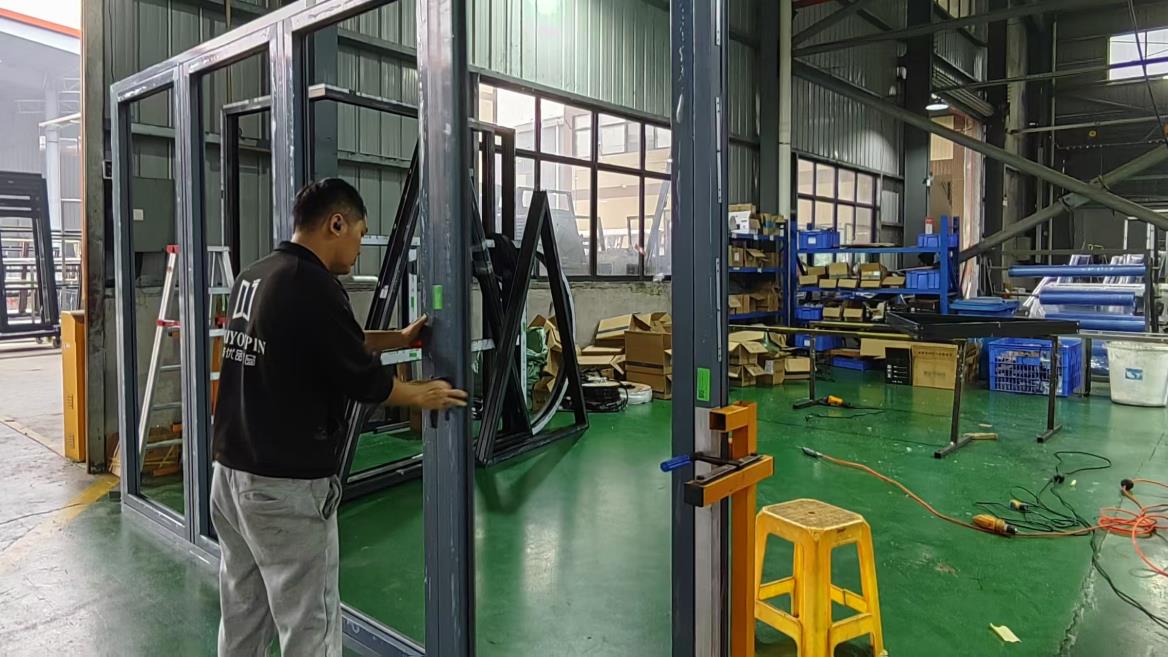
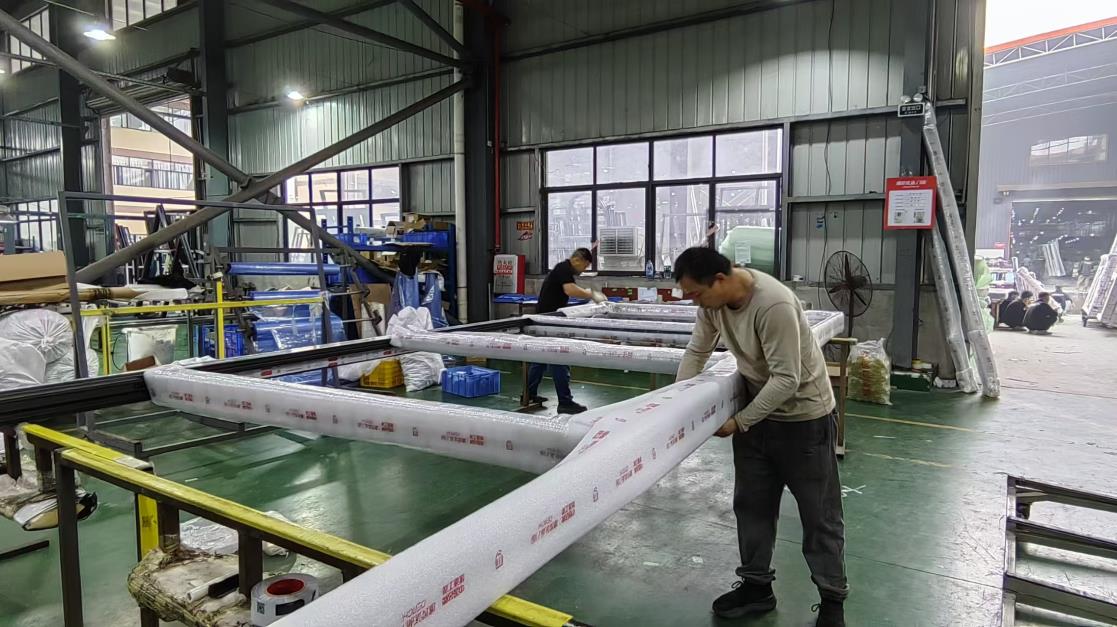
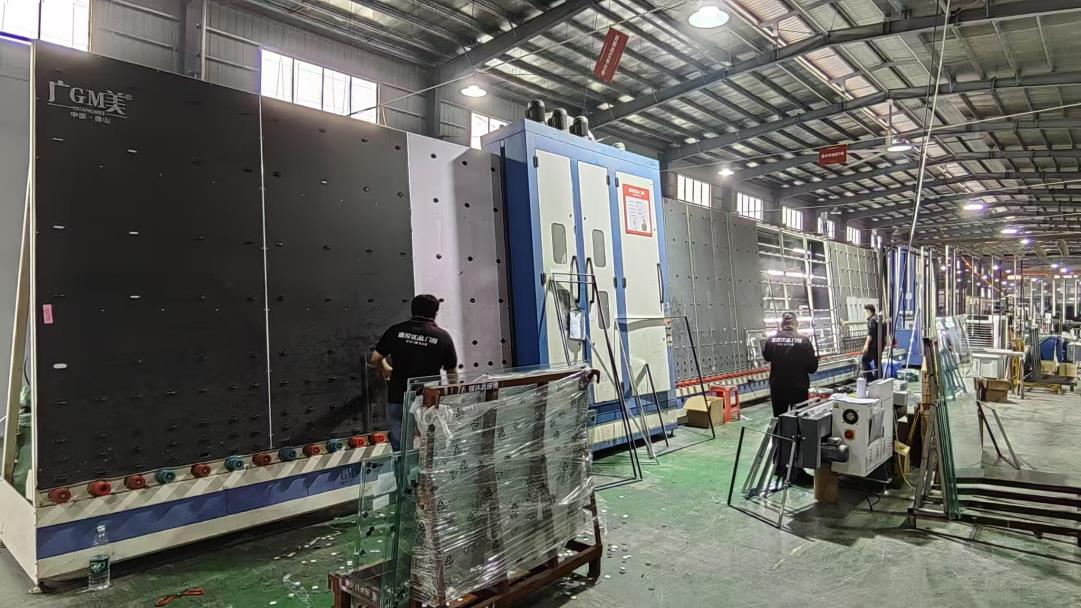
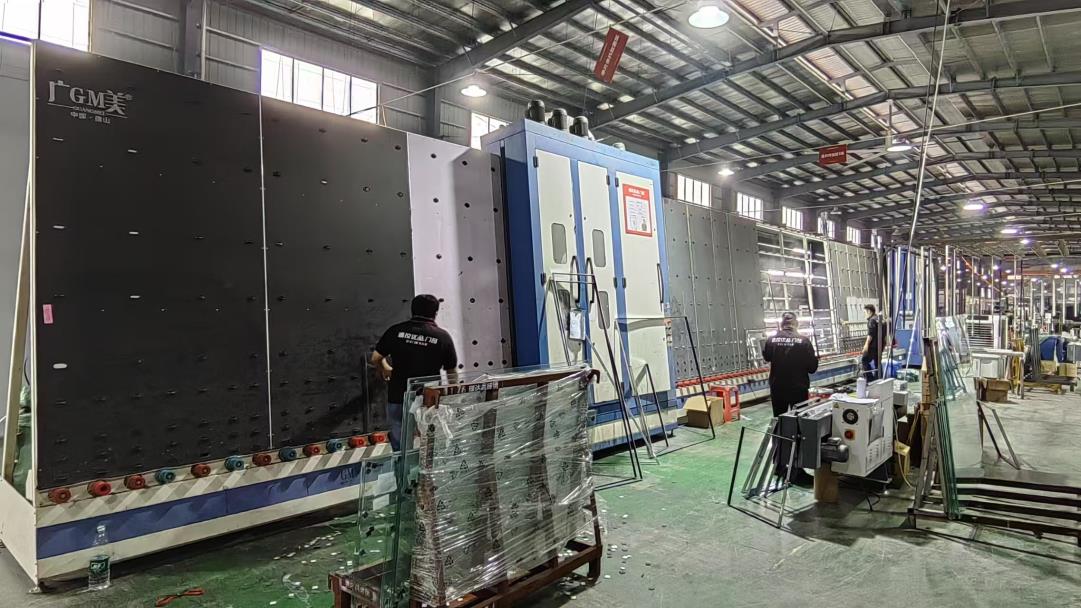
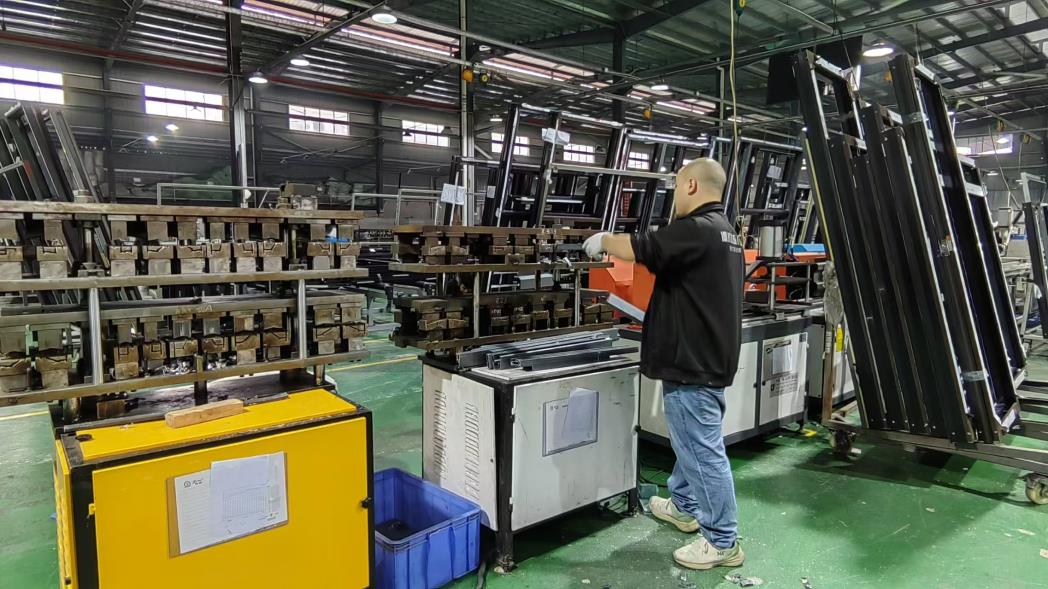
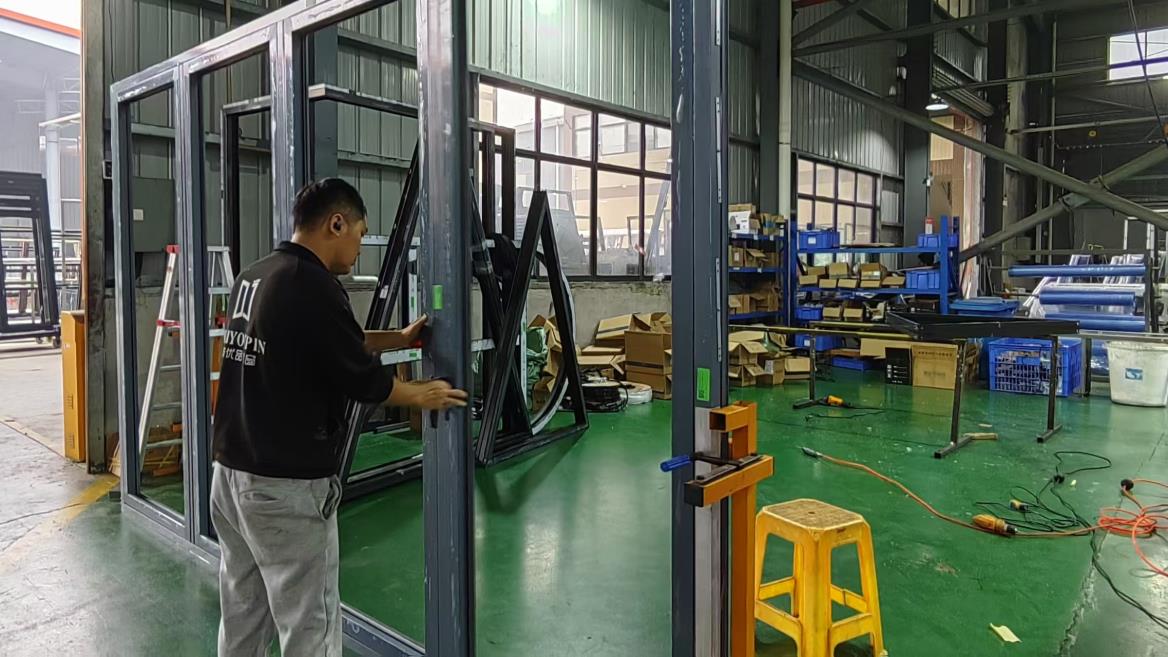
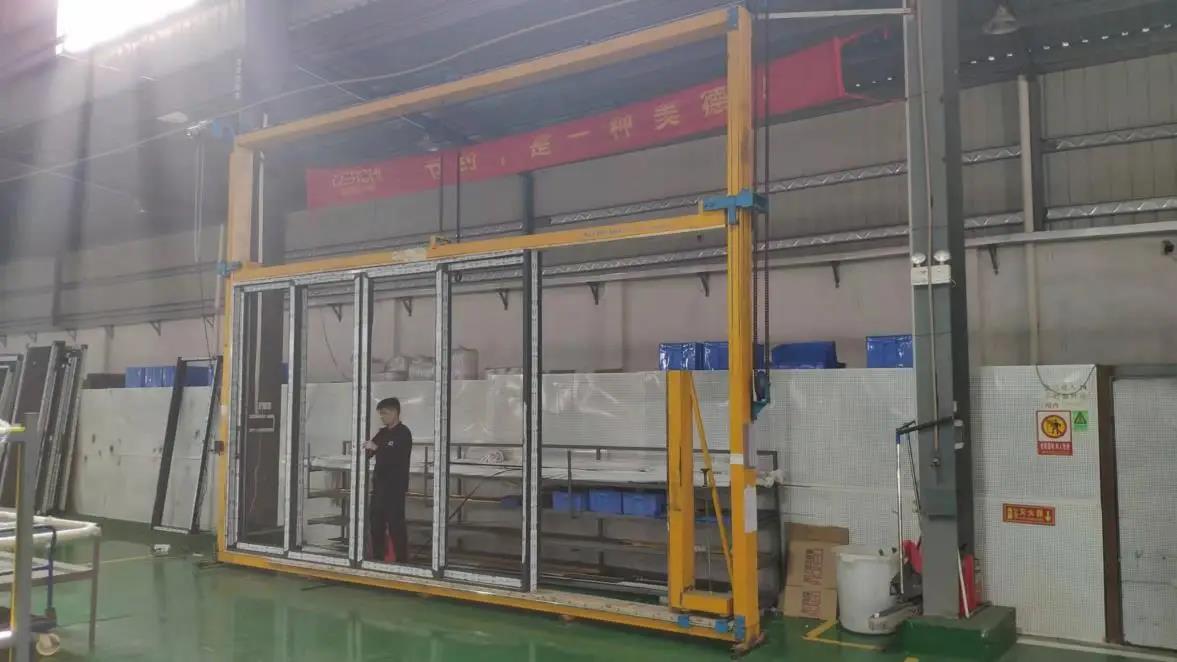
Quality assurance in architectural glass and aluminum fabrication requires rigid adherence to sequential processing protocols and automated machinery. Below is an insider look into the step-by-step manufacturing workflow and processing center deployed at the Novax facility:
Sequential Manufacturing Execution Steps
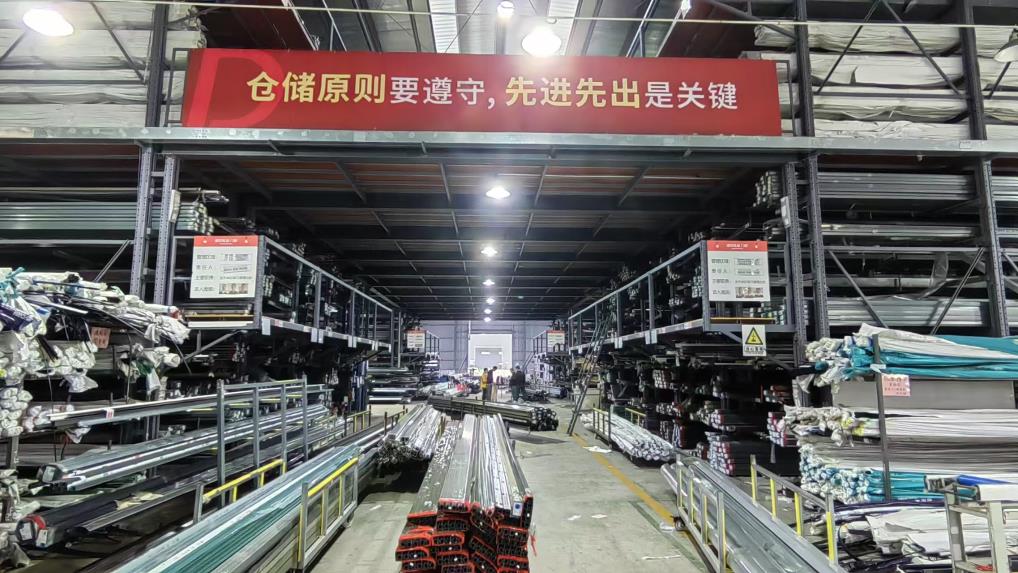
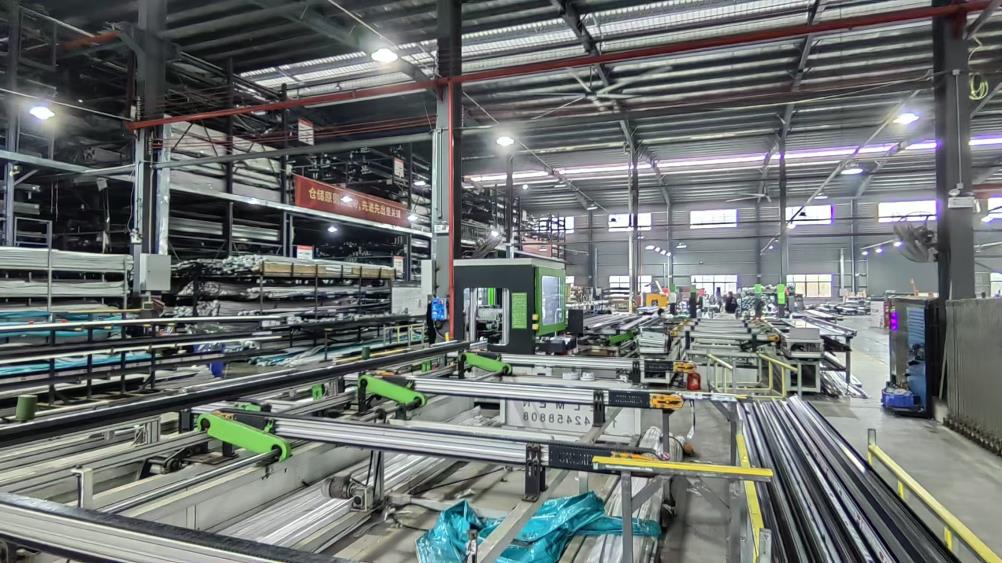
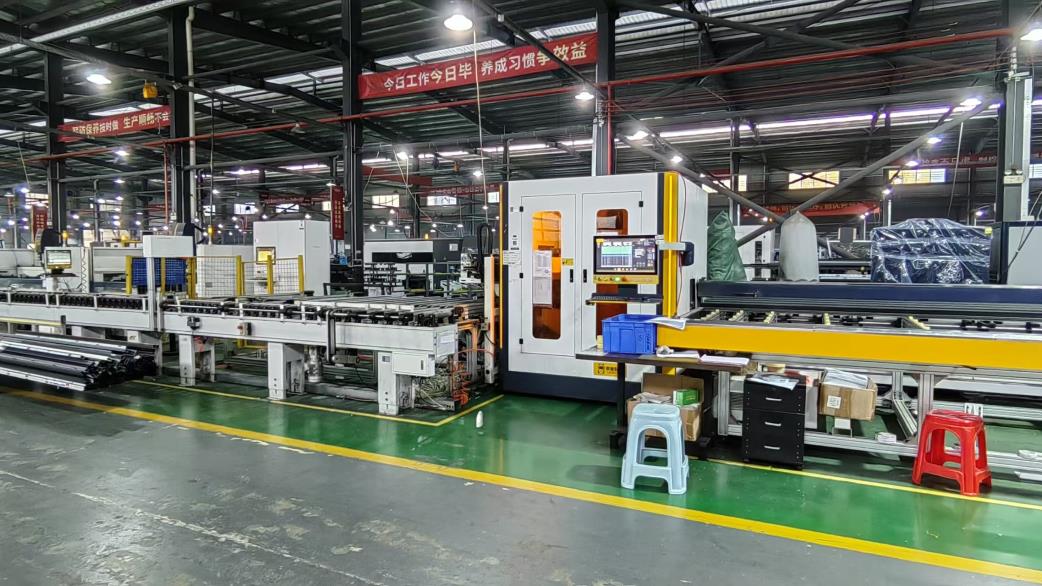
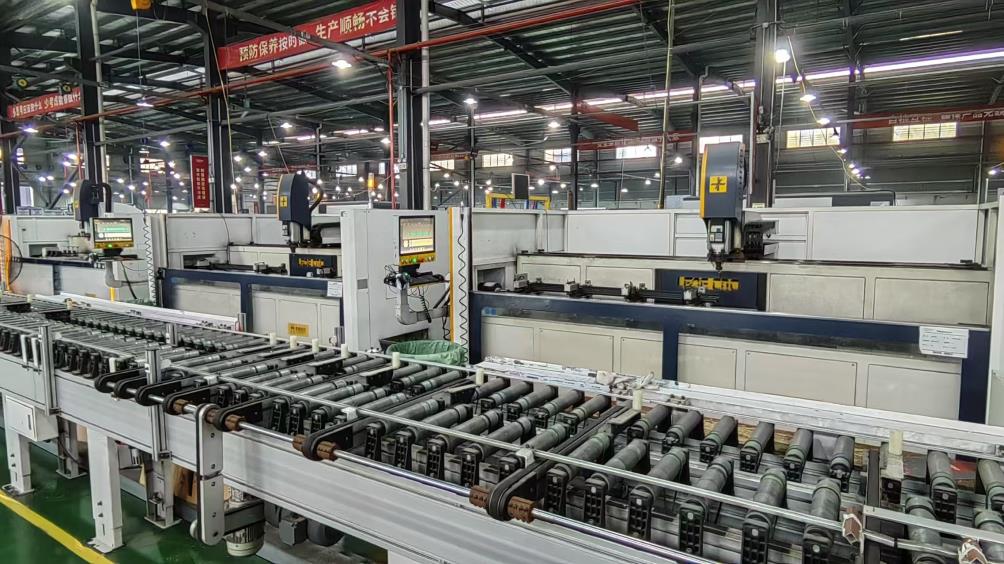
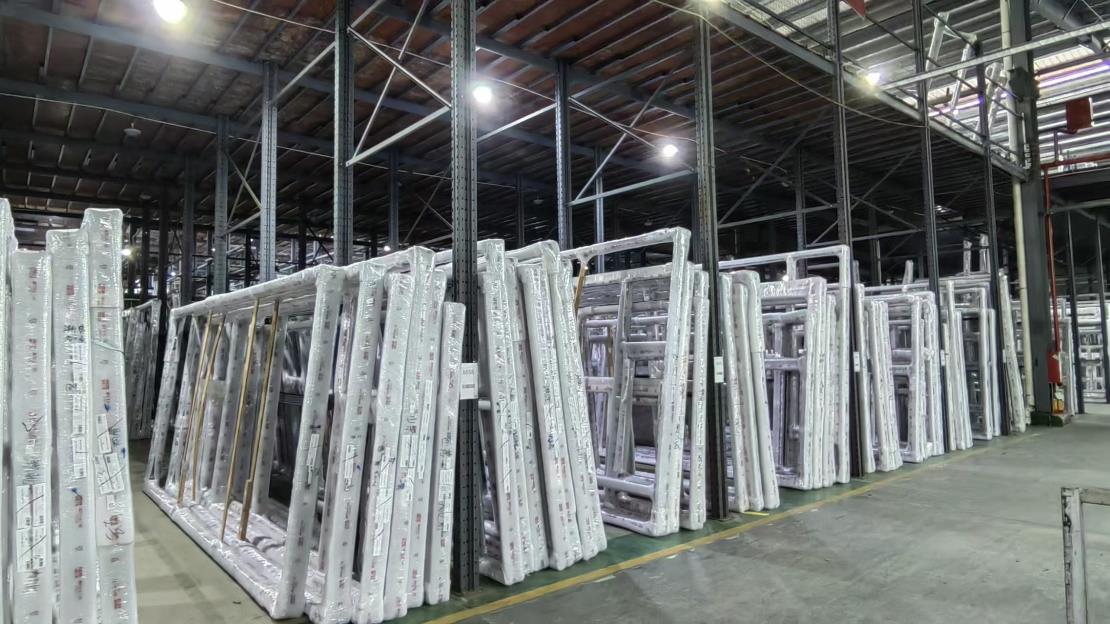
Industrial Production & Processing Infrastructure
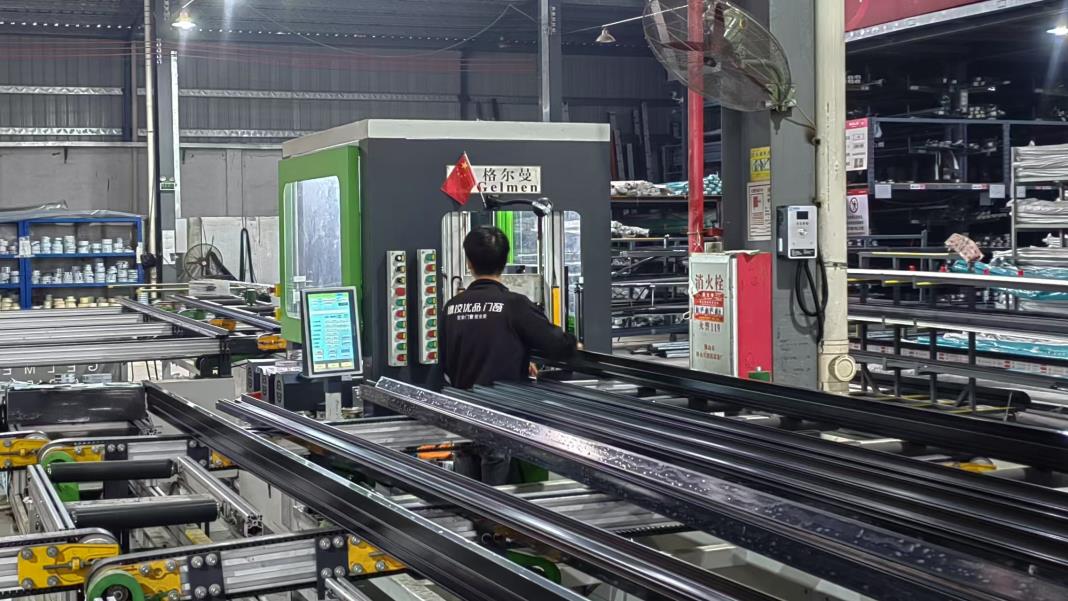
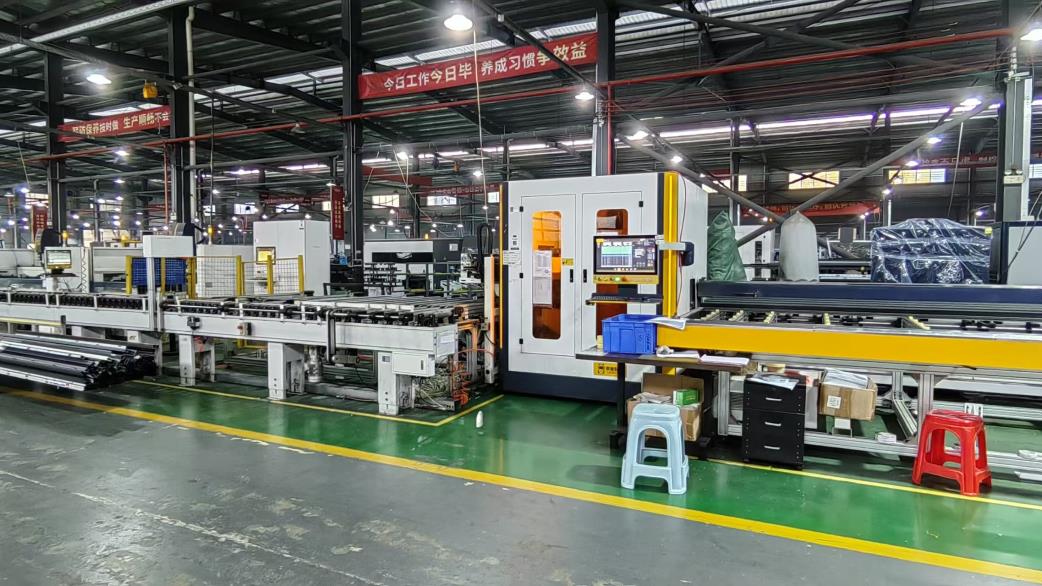
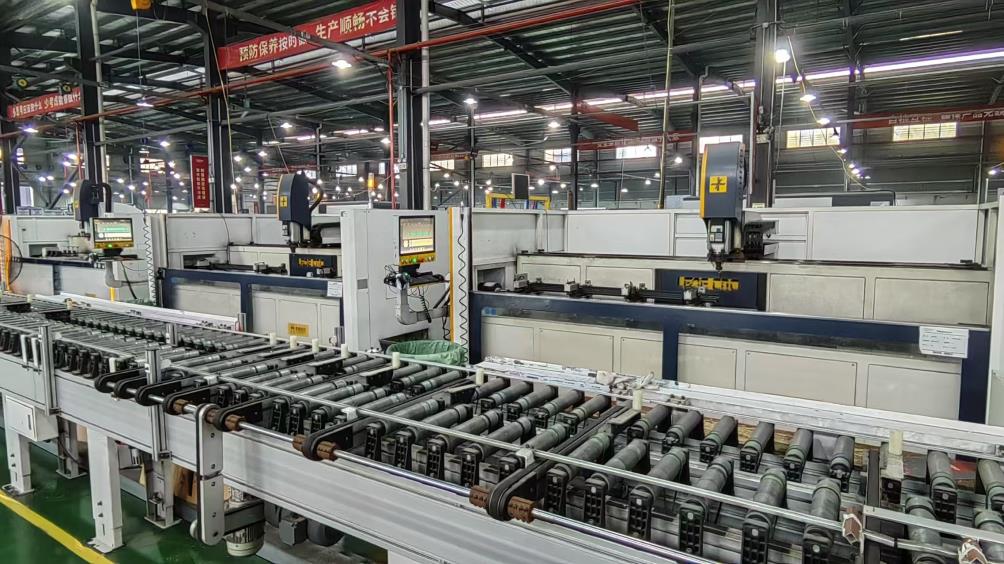
5. Macro Industry Solutions & Regional Application Scenarios
Fenestration systems must be tailored to micro-climatic stresses and regional architectural typologies. Chinese manufacturing capabilities allow customized cross-sections, hardware configurations, and glass specs for distinct global markets:
Utilizing heavy-duty non-thermal or thermal break aluminum profiles with wall thicknesses up to 3.0mm, paired with laminated tempered glass containing 1.52mm or 2.28mm SGP (SentryGlas® Plus) interlayers. Engineered to withstand Miami-Dade Notice of Acceptance (NOA) standards, resisting structural impacts from airborne debris and severe wind pressures up to +100/-100 PSF.
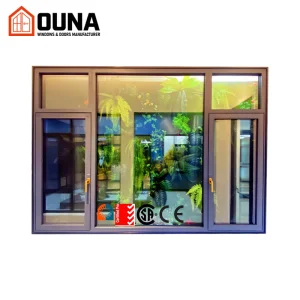
Incorporating triple-pane insulated glass units (IGUs) filled with 90%+ Argon gas, featuring warm-edge Technoform spacers and dual low-emissivity (Low-E) coatings (such as Solarban 60 or 70). PA66 nylon thermal breaks prevent thermal bridging, eliminating interior condensation and maintaining comfortable interior ambient temperatures.
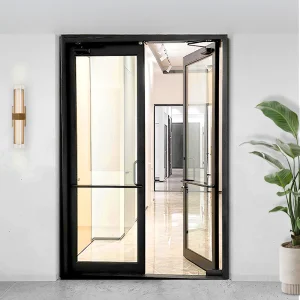
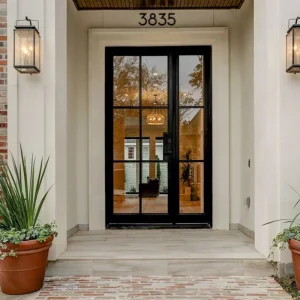
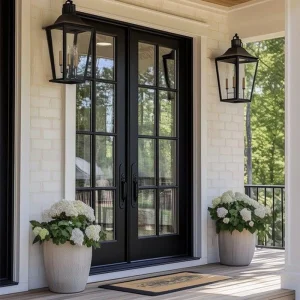
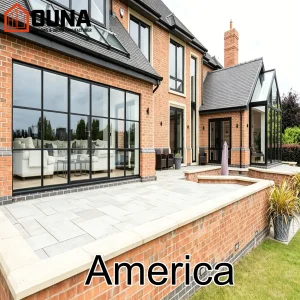
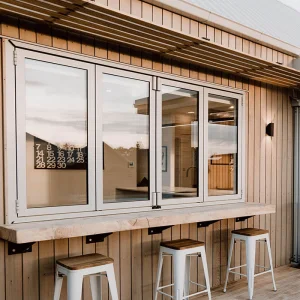
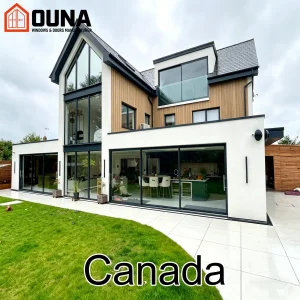
Slim-frame Crittall-style doors, ultra-narrow sightline sliding systems, and automated accordion folding doors allow seamless indoor-outdoor transition. Concealed structural hardware, heavy-duty stainless steel rollers, and flush threshold drain tracks deliver minimalist aesthetics without sacrificing water tightness.
6. Strategic B2B Sourcing: Procurement Checklist for Developers
Procuring custom fenestration products from overseas requires clear engineering alignment, rigorous factory auditing, and standard testing verifications. Global purchasing managers and developers should execute the following 5-point verification framework:
Require the manufacturer to submit structural engineering calculations proving frame deflection limits under localized wind load pressures (e.g., L/175 or L/240 spans).
Verify that aluminum extrusions conform to 6063-T5 or 6063-T6 hardness and tensile strength ratings, and that glass units carry SGCC (Safety Glazing Certification Council) or CE markings.
Insist on third-party laboratory tests (ASTM E283 air infiltration, ASTM E331 water resistance, ASTM E330 structural performance) prior to mass containerization.
Ensure heavy-duty multi-point locking systems utilize corrosion-resistant stainless steel (304 or 316 grade) and continuous EPDM sealing gaskets rather than inferior PVC gaskets.
Confirm windows are packaged with protective film, foam corner guards, fully enclosed fumigated plywood crates, and secured with steel strapping to prevent ocean transit damage.
7. Frequently Asked Questions (FAQ) - Architectural Engineering & Sourcing
Additional Architectural Windows, Doors & Louver Systems
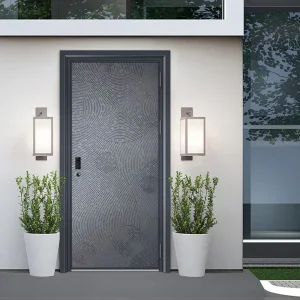
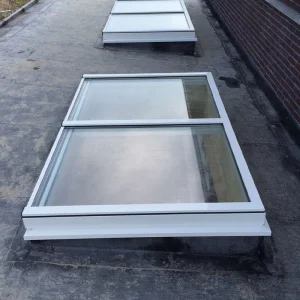
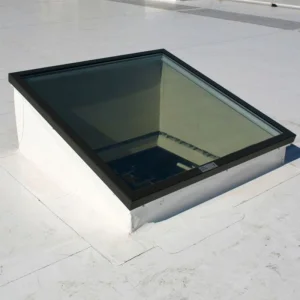
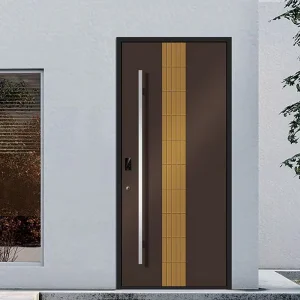
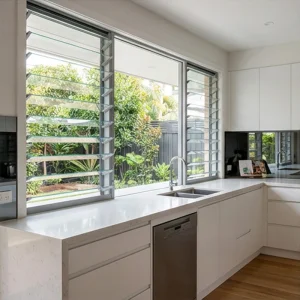
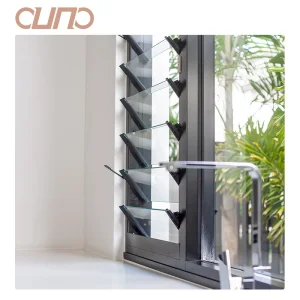
Browse our extended product portfolio including motorized skylights, office entrance fronts, architectural louvers, and Crittall-style French doors.