 Novax Window Solutions
Featured Architectural Fenestration Systems (Part I)
Precision-engineered aluminum doors with integrated window modules certified for hurricane impact resistance, severe climate isolation, and modern spatial aesthetics.
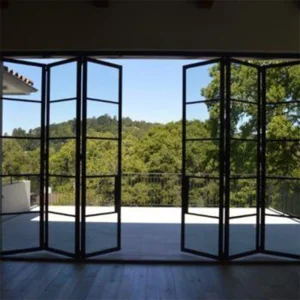
OUNA Modern Design Exterior Aluminium Tempered Glass Folding Door Safe and Soundproof Bi-Folding Patio Door for Gardens
View Product Details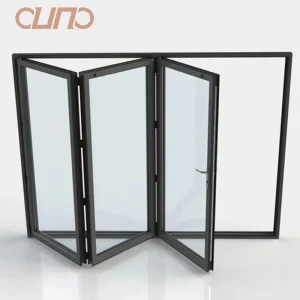
OUNA Modern Design Bi-Fold Soundproof Folding Door Exterior Accordion Foldable Glass Door Finished Surface for Villas
View Product Details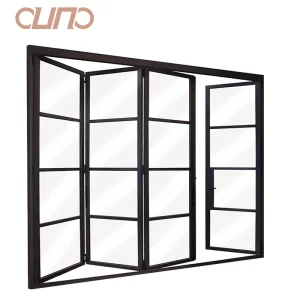
OUNA NFRC High Track Bi-Fold Glass Wall Folding Patio Accordion Door Soundproof Modern Double Glazed Aluminum Foldable Door
View Product Details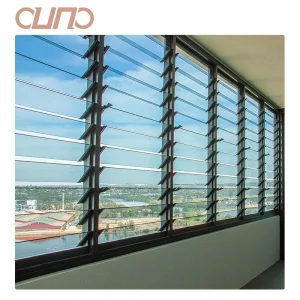
OUNA AS2047 Villa New Design Factory Doors Window Custom Residential Bathroom Louvers Aluminium windows Design for Australia
View Product Details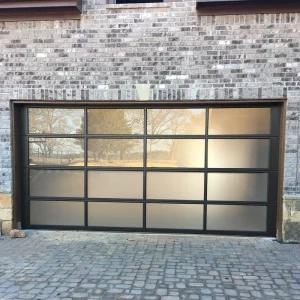
OUNA Classical Style Garage Door with Wood Look Grain and Decorative Windows Aluminum Steel Construction Automatic System
View Product Details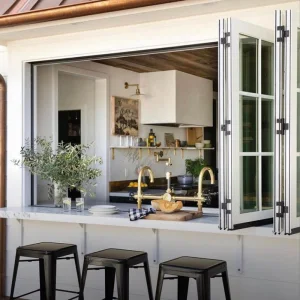
OUNA Smooth Operation Folding Window Built with Precision Hinge System for Easy Bi Directional Movement and Compact Stacking
View Product Details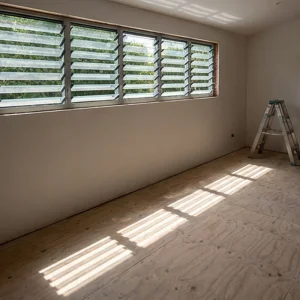
OUNA High Torsion Resistance Aluminum Louvre Blades Maintain Shape and Angle Under Stress for Consistent Long Term Performance
View Product Details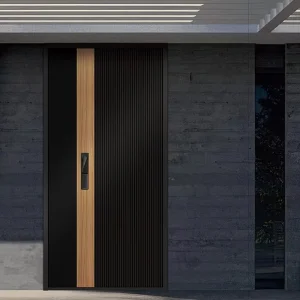
OUNA Residential Project America Aluminum Security Doors for Villa Exterior Front Entry Anti Theft Main Door
View Product DetailsGlobal Macro Industry Landscape: The Paradigm Shift in Aluminum Door & Window Fenestration
Analysis of modern building enclosure design, structural efficiency, energy codes, and supply chain consolidation in top Chinese manufacturing hubs.
The global architectural fenestration sector is undergoing a profound structural evolution driven by stringent carbon neutrality mandates, rising energy costs, and escalating extreme weather phenomena. Traditional timber and unreinforced PVC fenestration units are rapidly being replaced by high-tensile aluminum doors with integrated window modules. In modern architectural paradigms—spanning high-rise residential towers, commercial developments, and luxury coastal estates—the door-and-window unit is no longer merely a passive barrier; it is an active structural element designed for dynamic thermal management, wind load dissipation, daylight optimization, and smart security integration.
China has emerged as the global epicenter for precision aluminum fenestration manufacturing, combining raw material supply chain control (specifically 6063-T5 and 6063-T6 architectural aluminum alloys) with advanced CNC machining and automated glass tempering lines. Navigating the supplier ecosystem, however, requires commercial buyers, hardware importers, and general contractors to evaluate suppliers based on verifiable engineering capabilities, compliance certifications (such as NFRC, CE, AS2047, and ISO 9001), and rigorous structural testing protocols rather than superficial pricing metrics.
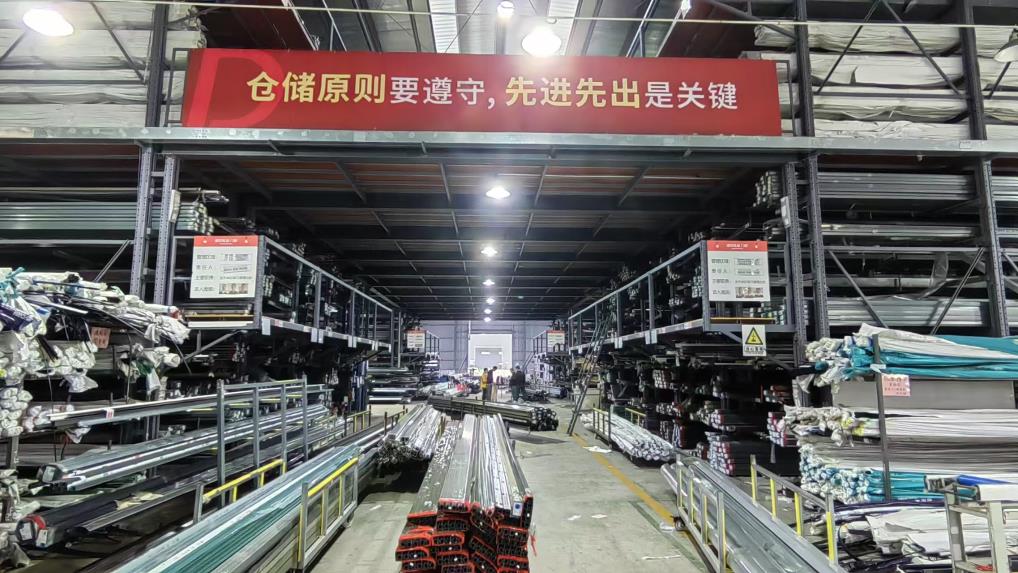
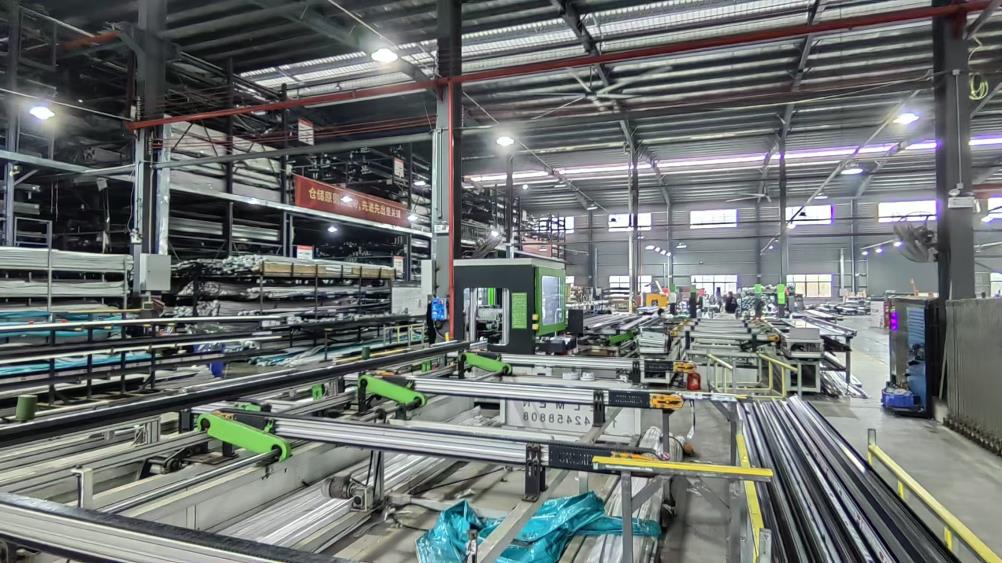
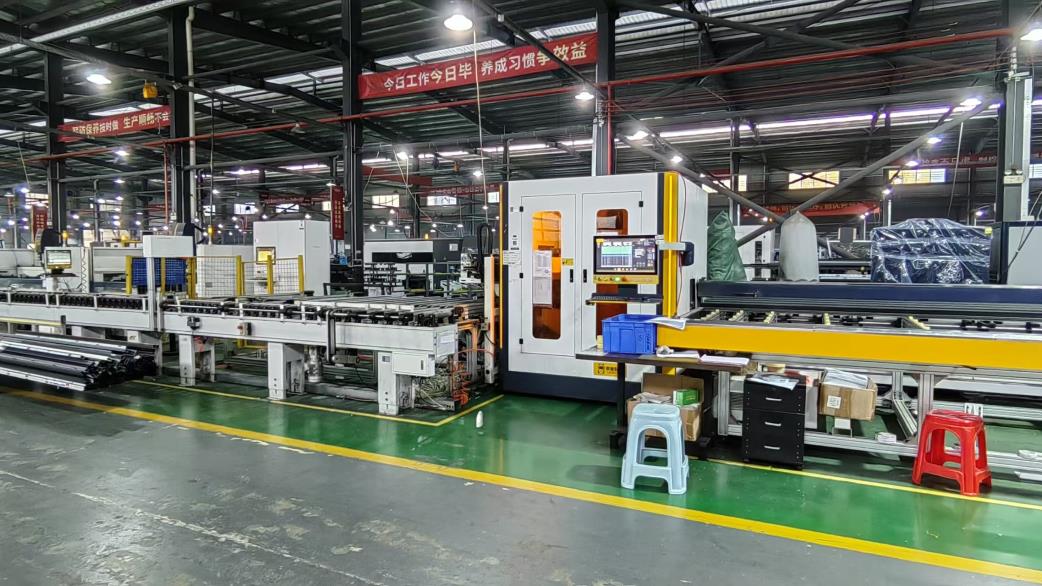
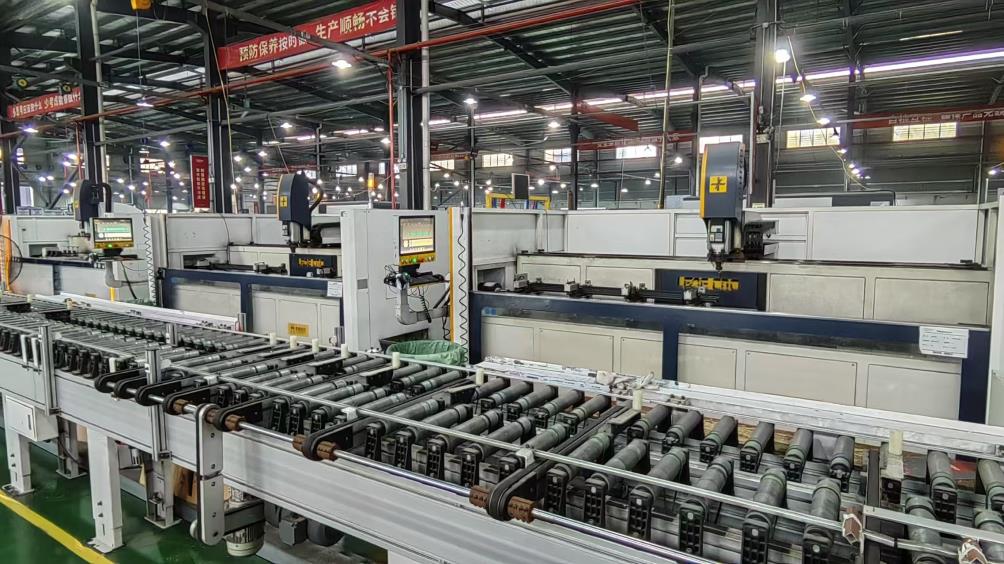
Enterprise Infrastructure: Ningbo Novax Building Materials Co., Ltd.
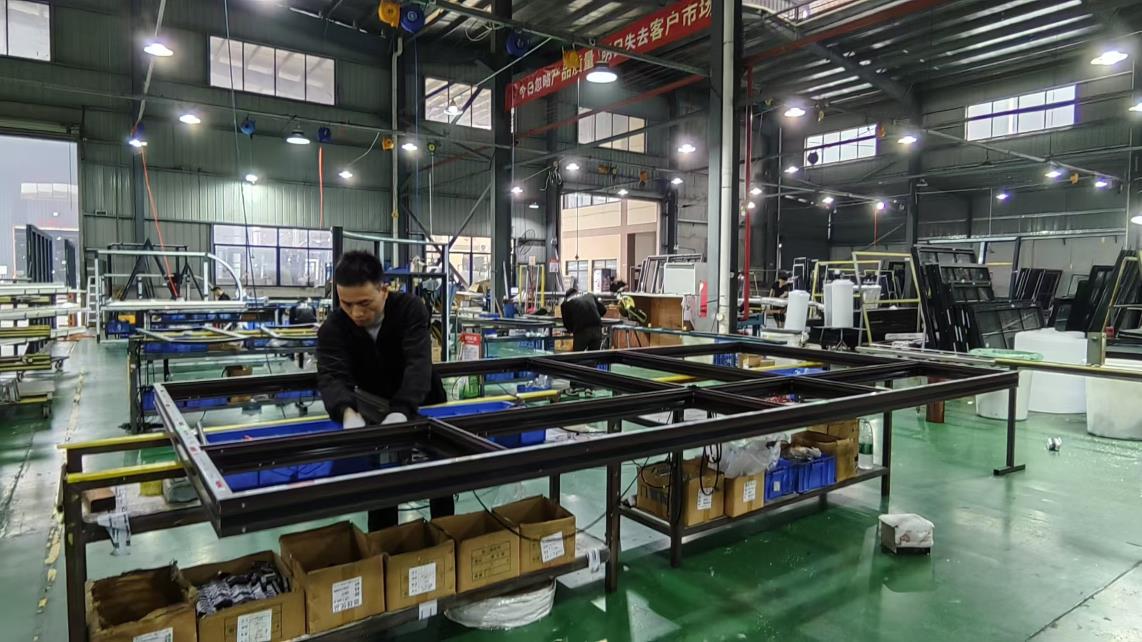
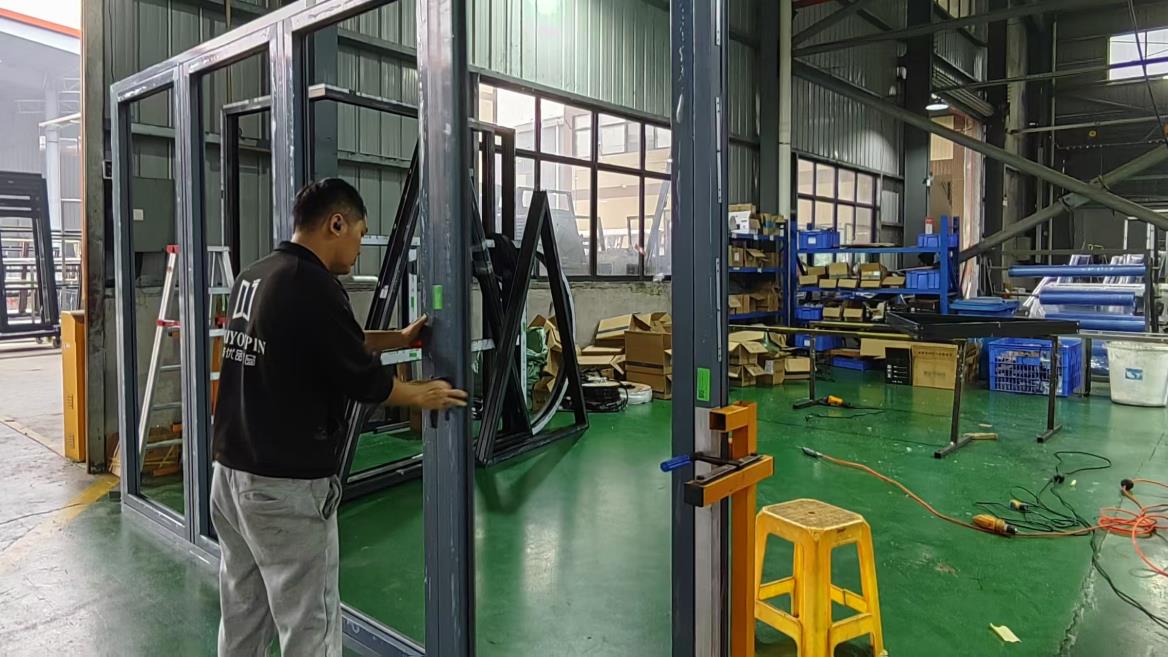
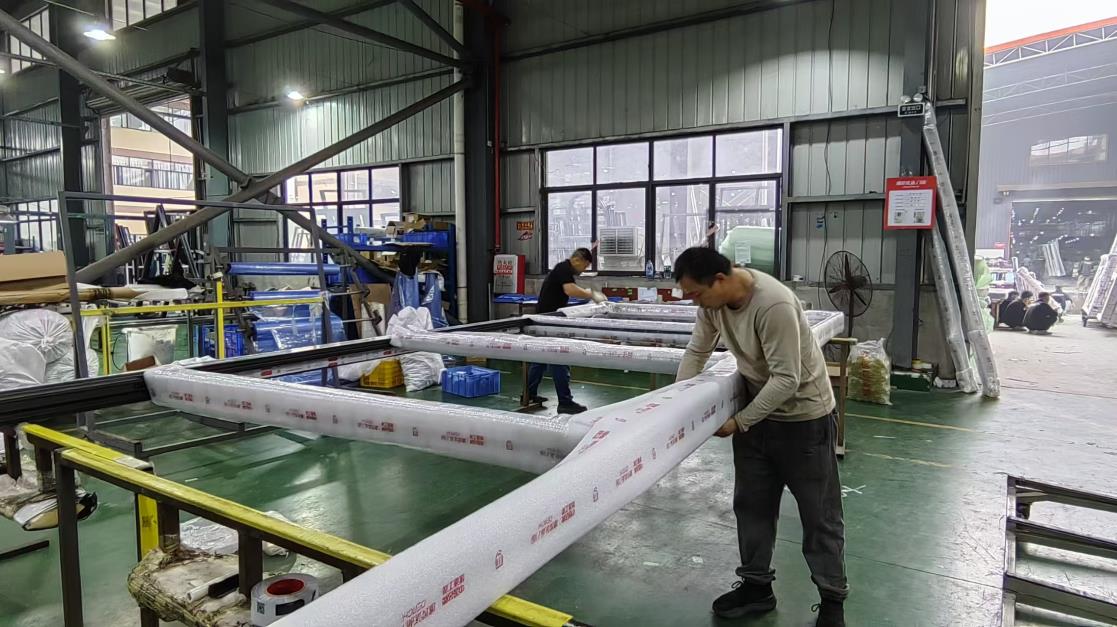
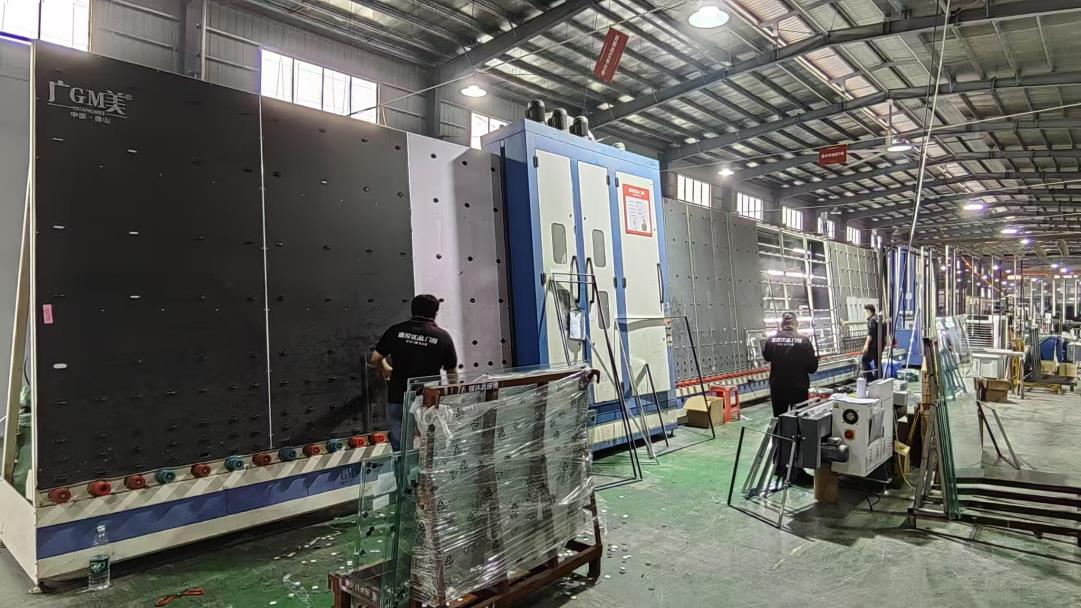
Operational transparency, state-of-the-art tooling machinery, and end-to-end quality control execution across 40,000 square meters of precision manufacturing.
Registered in 2017, Ningbo Novax Building Materials Co., Ltd. represents the gold standard in high-performance aluminum window and door manufacturing. Operating from an expansive production footprint of 40,000 square meters, Novax leverages over 9 years of specialized industry experience and 6 years of global export leadership. Generating an annual export volume of $30 million, the enterprise serves primary markets across North America, the Caribbean, and South America, focusing heavily on hurricane-rated coastal commercial projects, hardware distributors, and high-end residential developers.
Operational excellence is underpinned by a robust supply network of 1,100 strategic material suppliers and a dedicated team of 72 R&D engineers who introduced 85 innovative window and door models to the global market in the past year alone. Quality control is meticulously executed by 60 specialized QC personnel using automated structural deflection rigs and cyclic water penetration testing equipment.
State-of-the-Art Production & Debugging Facilities
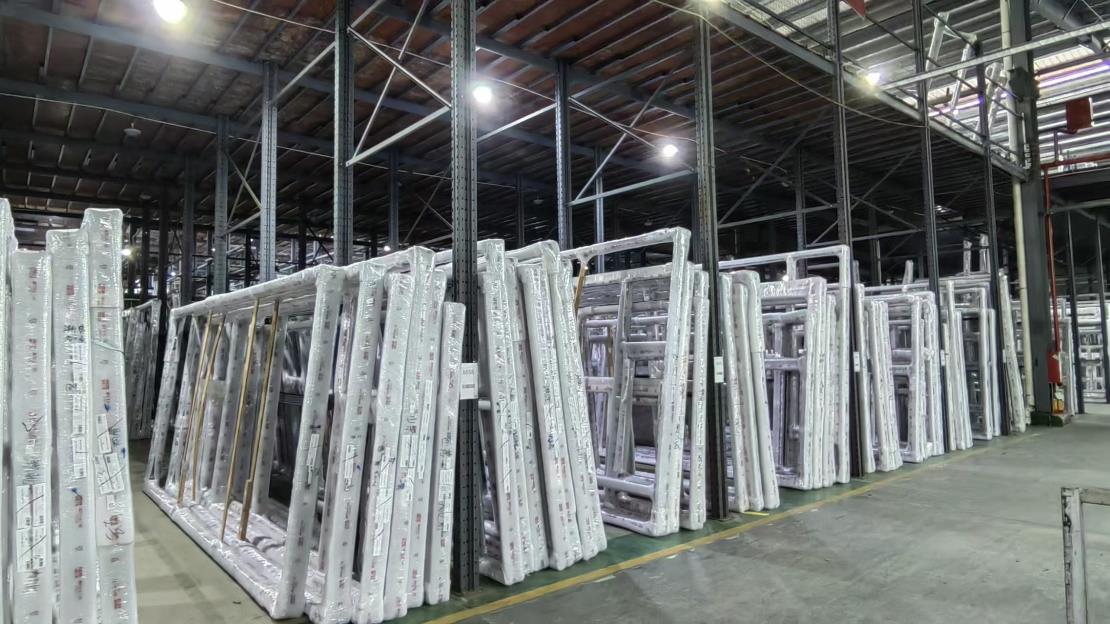
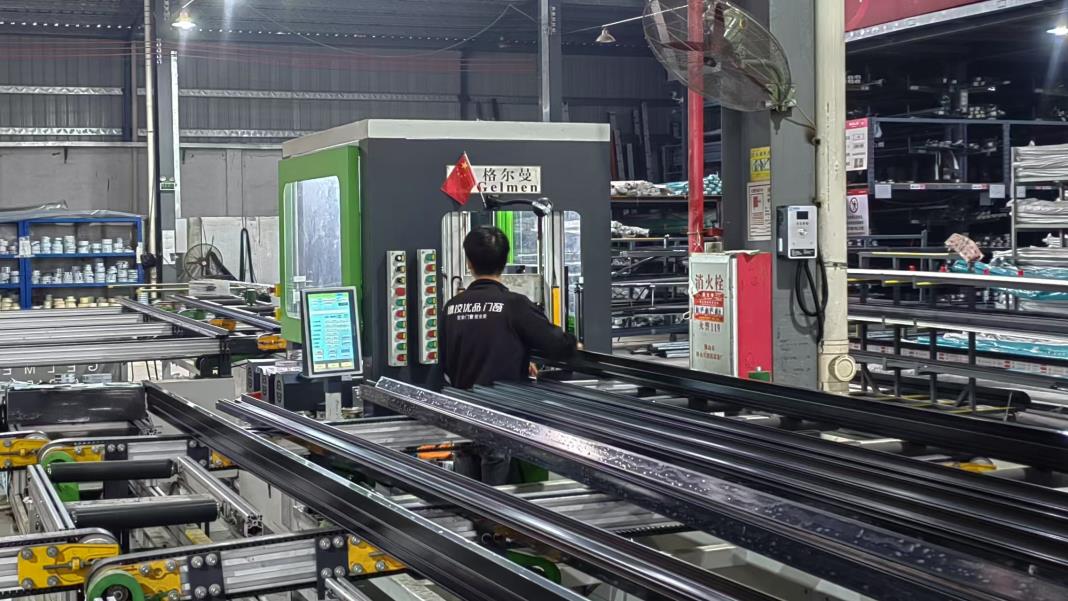
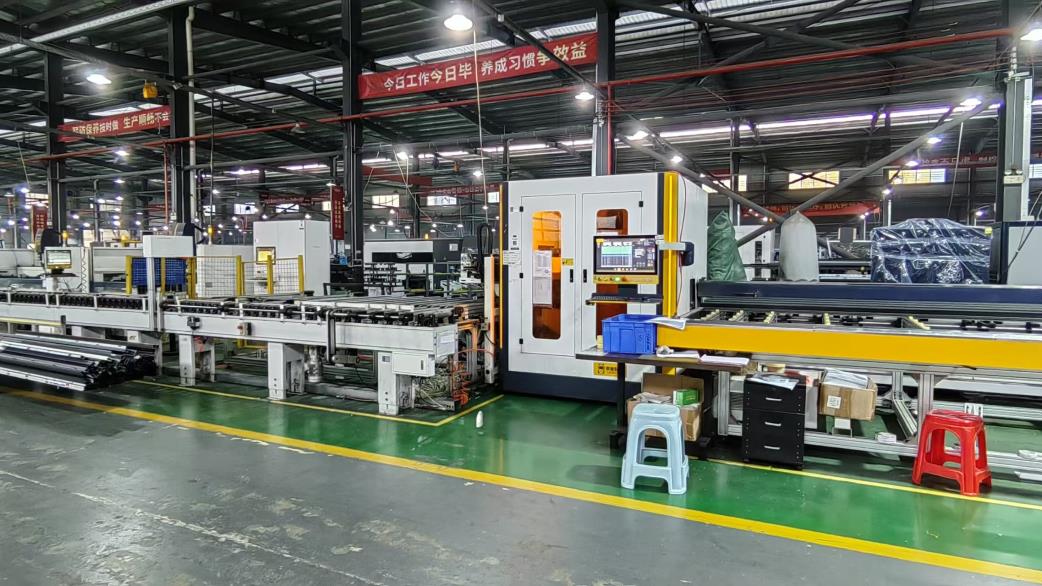
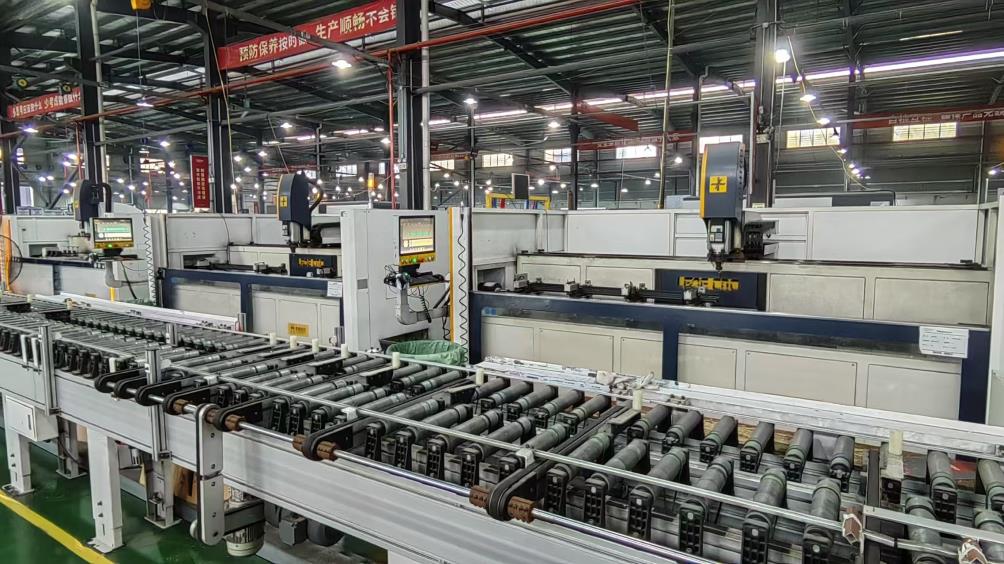
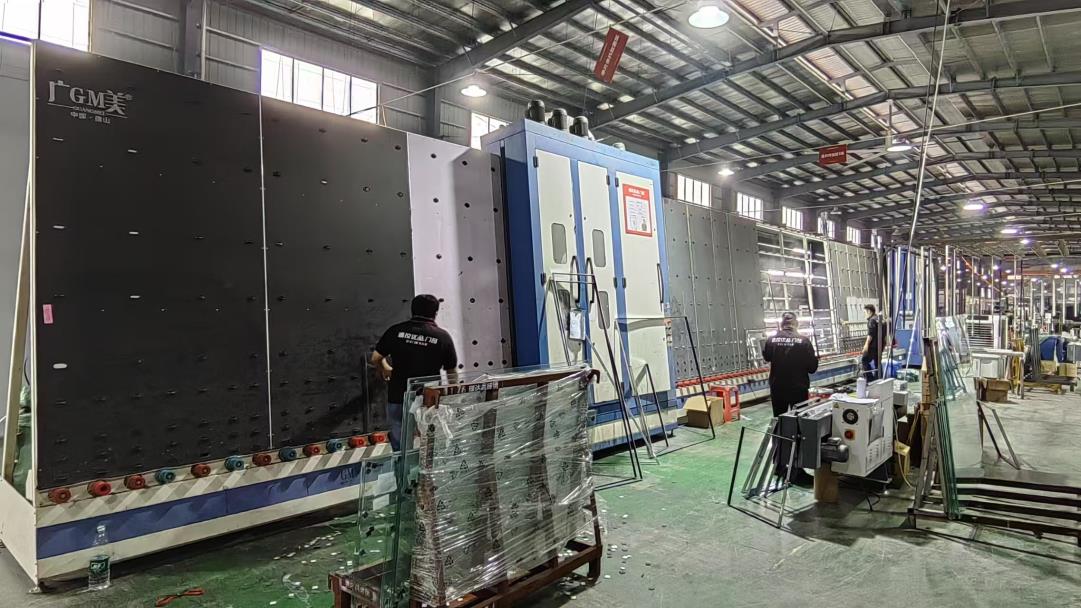
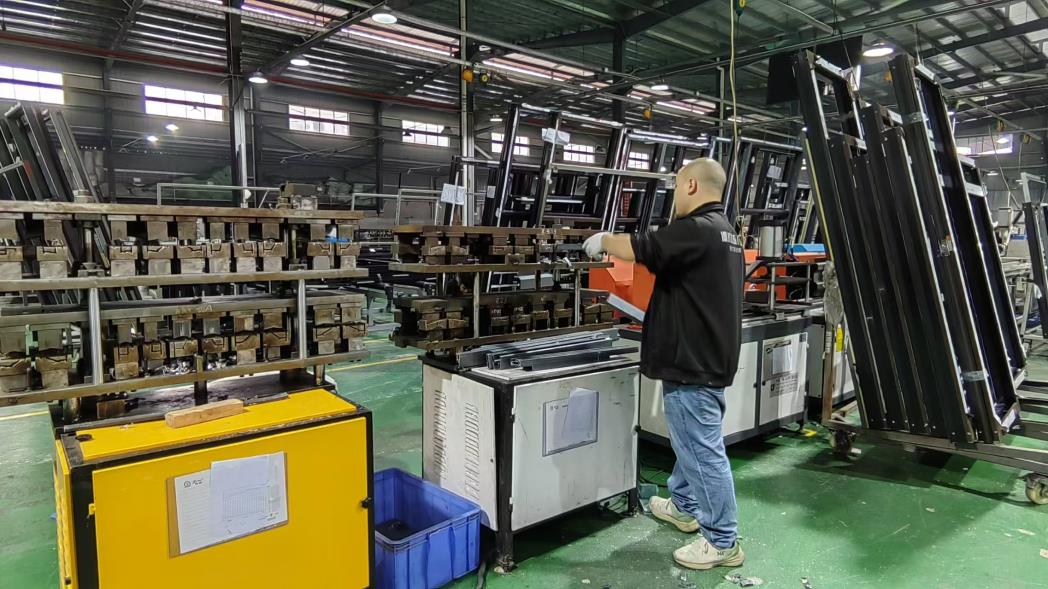
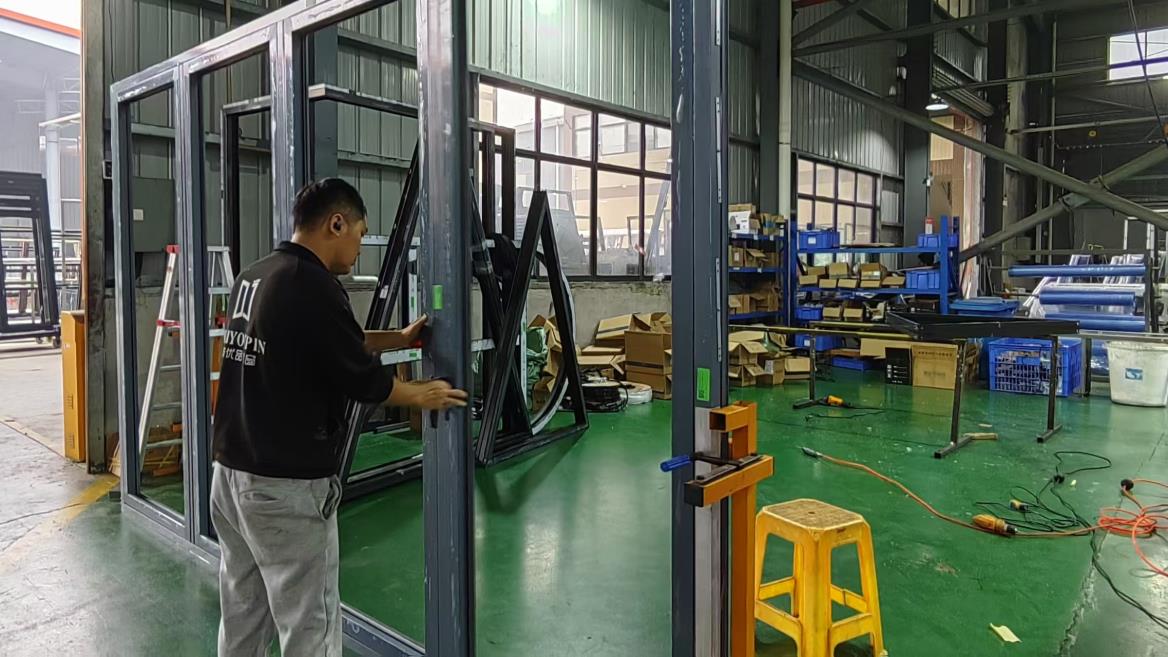
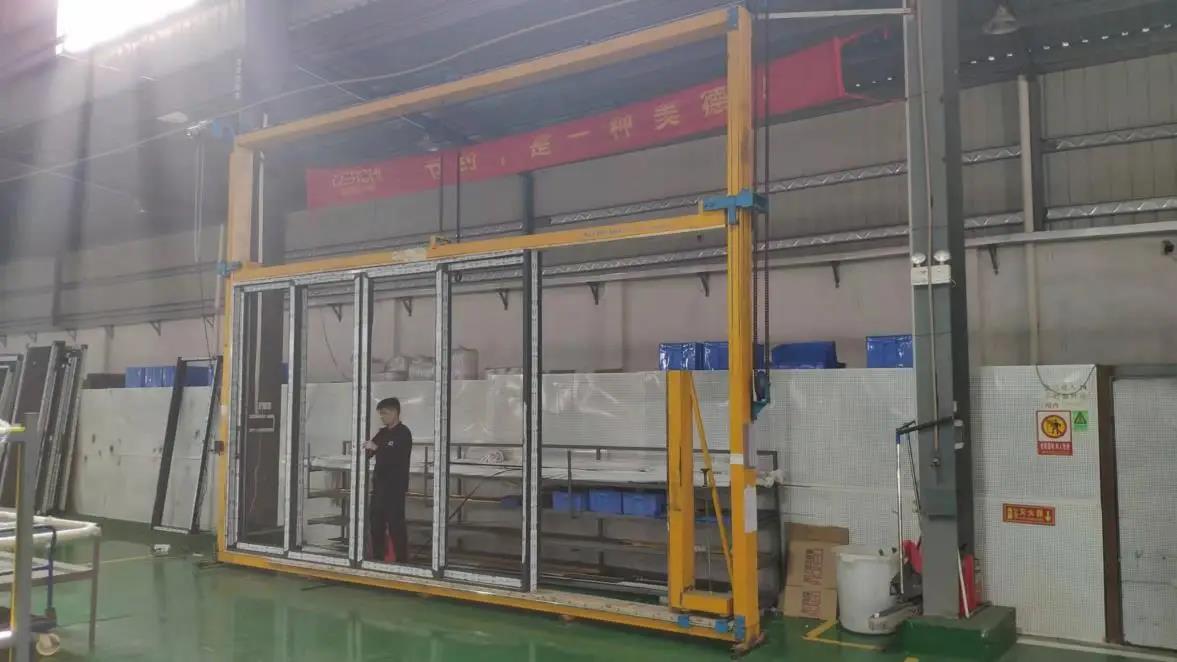
Structural Engineering & Material Science: Aluminum Door with Window Systems
Technical decomposition of thermal breaks, high-load extrusion geometry, glazing assemblies, and hardware integration.
Thermal Break Extrusion Geometry
Novax utilizes 6063-T6 aluminum profiles with multi-cavity thermal barriers containing 25% glass fiber reinforced polyamide (PA66-GF25). This eliminates conductive thermal bridges, maintaining U-factors as low as 1.2 to 1.6 W/m²K, which easily complies with international green building standards.
Impact & Laminated Glazing
Engineered for high-velocity hurricane zones (HVHZ), our glass options integrate double and triple-glazed units, low-emissivity (Low-E) soft coatings, argon gas fill, and SentryGlas® (SGP) interlayer laminates designed to withstand wind loads up to ±6,000 Pa.
Multi-Point Locking Mechanics
Precision stainless steel 304/316 gear-driven multi-point locking hardware ensures dynamic compression seals against wind and water penetration while providing maximum forced-entry anti-theft security across residential and commercial thresholds.
Global Regulatory Compliance & Performance Verification
Meeting international building codes through rigorous independent testing for air tightness, water tightness, structural deflection, and thermal insulation.
| Target Region | Certification & Standard | Key Testing Criteria | Novax Engineering Compliance |
|---|---|---|---|
| North America (USA & Canada) | NFRC / ASTM E1886 & E1996 / Florida Building Code (HVHZ) | Large Missile Impact, Thermal U-Factor, Solar Heat Gain Coefficient (SHGC) | U-Factor ≤ 0.28 BTU/h·ft²·°F, TAS 201/202/203 Certified Impact Resistance |
| Australia & New Zealand | AS2047 / AS1288 / BAL-40 | Deflection (Ultimate Limit State), Air Infiltration, Bushfire Attack Level | Tested to 4500 Pa structural wind pressure; BAL-40 rated seals & mesh |
| European Union | CE Marking / EN 14351-1 / Passivhaus Standard | Acoustic STC rating, Watertightness Class 9A, Thermal Conductivity | Acoustic isolation up to 45 dB; Watertightness up to 1050 Pa cyclic pressure |
| Latin America & Caribbean | ISO 9001:2015 / Salt Spray ASTM B117 | Corrosion resistance under high humidity and marine salt atmospheric exposure | Qualicoat Class 2 Fluorocarbon (PVDF) powder coating (>3000 hr salt spray pass) |
Before leaving the Ningbo manufacturing complex, every batch of custom aluminum doors with integrated window inserts undergoes non-destructive diagnostic evaluations. Frame-corner mechanical strength, EPDM gasket compression elasticity, and dual-axis alignment are checked using zero-tolerance optical sensors, ensuring seamless job-site installation for commercial developers worldwide.
Localized Application Scenarios & Architectural Solutions
Tailored engineering configurations optimized for specific climatic zones and structural environments.
Coastal High-Rise Developments
Designed specifically for coastal zones subject to hurricane threats, our heavy-duty sliding and bi-folding patio doors utilize stainless steel roller tracks and thick PVDF surface treatments, preventing salt-spray degradation and providing zero-water penetration under hurricane-force driving rain.
Luxury Residential Villa Projects
Integrating ultra-slim sightline aluminum frames with continuous glass accordion walls, our residential solutions offer expansive floor-to-ceiling openings. Optional wood-grain finish coatings match natural architectural aesthetics without compromising structural longevity.
Extreme Climate Commercial Entrances
Featuring triple-pane Low-E thermal break assemblies with insulated warm-edge spacers, our severe cold-weather door systems prevent condensation build-up and minimize interior HVAC thermal leakage in sub-zero alpine and northern climates.
Technology Roadmap: Next-Generation Smart Fenestration (2025–2030)
Pioneering advancements in electrochromic glass, automated sensor integration, and eco-friendly manufacturing alloys.
The next decade of fenestration design lies at the intersection of structural engineering and IoT-enabled building automation. Ningbo Novax's R&D division focuses on integrating dynamic smart technologies directly into high-tensile aluminum door and window profiles:
- Electrochromic Smart Tinting: Integrating voltage-controlled glazing directly within aluminum door panels, enabling user-defined light transmittances and automated solar gain control linked to building management systems (BMS).
- Integrated Weather & Security Sensors: Concealed micro-sensors built directly into multi-point frame cavities, monitoring barometric pressure drops, wind velocities, and intrusion attempts to automatically actuate motorized folding or sliding louvers.
- BIPV (Building-Integrated Photovoltaics): Developing semi-transparent photovoltaic window glass embedded into aluminum door frames, generating clean electricity while shading building interiors.
- Ultra-Low Embodied Carbon Alloys: Transitioning profile manufacturing towards 100% recycled billet aluminum extruded using hydro-electric energy sources, reducing product carbon intensity by up to 65%.
Featured Architectural Fenestration Systems (Part II)
Advanced aluminum security entryways, motorized skylights, thermal break casement windows, and high-span sliding patio doors.
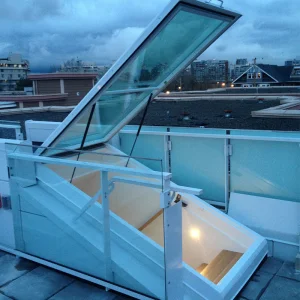
OUNA Smart Home Living Aluminum Skylight Automatically Adjusts to Weather and Time for Perfect Indoor Climate and Light
View Product Details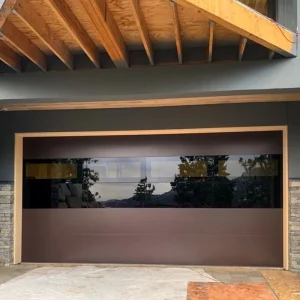
OUNA Custom Modern Design Waterproof Smart Electric Garage Door Aluminum Glass Exterior for Villas Factory Direct
View Product Details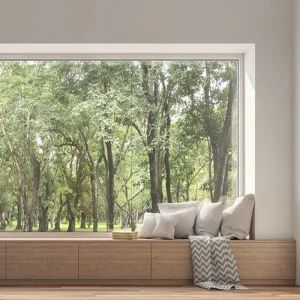
OUNA Thermal Break Aluminum Fixed Window for House Excellent Insulation and Noise Reduction Energy Saving for Bedroom
View Product Details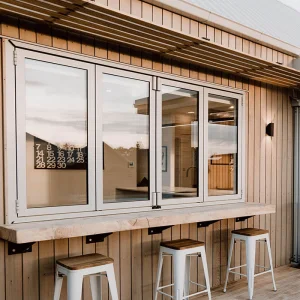
OUNA True Accordion Style Aluminum Folding Window Compacts Fully to One Side for Maximum Opening Clear Width Custom Finishes
View Product Details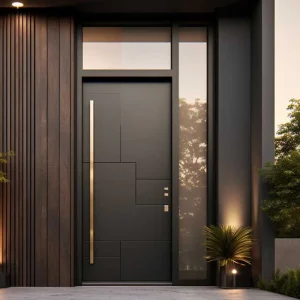
OUNA Modern Aluminum Front Doors for Houses Residential Exterior Entry Anti Theft Main Villa Security Doors
View Product Details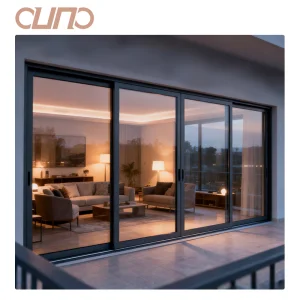
OUNA CE Slim Frame Aluminum Double Glazed Tempered Glass Patio Sliding Door Hurricane Impact Sliding Patio Doors
View Product Details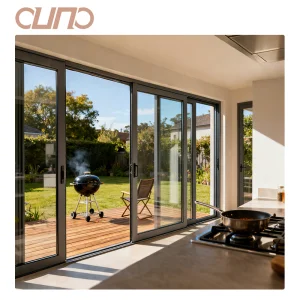
OUNA Hot Selling Thermal Insulated Customized Low E Double Layered Tempered Glass Aluminum Lift Sliding Room Door
View Product Details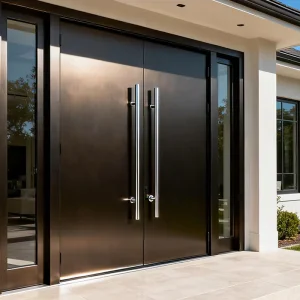
OUNA Durable Aluminum Alloy Entry Door Modern Exterior Design Soundproof Security Door for Villa Residential House CE ISO NFRC
View Product DetailsFrequently Asked Questions (B2B Procurement & Engineering)
Technical specifications, compliance verification, MOQs, custom tooling, and shipping procedures.
Novax utilizes premium 6063-T5 and 6063-T6 architectural grade aluminum extrusions. 6063-T6 provides an optimal tensile strength exceeding 205 MPa and a yield strength of 170 MPa, guaranteeing structural stability under high wind pressures while enabling precision anodizing and powder coating finishes.
While unreinforced PVC offers low material costs, aluminum thermal break profiles provide up to 300% greater structural strength, permitting far larger glass panel spans without frame bowing. Reinforced with polyamide PA66-GF25 thermal breaks, modern aluminum units deliver equivalent or superior thermal insulation (U-factors as low as 1.2 W/m²K) with a lifespans exceeding 30–50 years.
Yes. Our hurricane-rated product series are tested in accordance with ASTM E1886, ASTM E1996, and Florida Building Code (FBC) TAS 201/202/203 standards. Complete engineering test reports, U-Factor evaluations from NFRC, and structural calculation calculations are provided for project engineering approval.
We offer AkzoNobel and PPG powder coatings, Fluorocarbon (PVDF) 3-coat sprays for coastal marine environments, hard-anodized finishes (15–25 microns), and 3D heat-transfer wood grain effects. Custom RAL color matching is executed with zero minimum color variation.
Every insulated glass unit (IGU) undergoes dual-seal inspection using butyl primary seals and structural silicone secondary seals. Units are tested for dew point thresholds down to -40°C and audited for argon gas fill concentrations exceeding 90% using laser spectrum analyzers.
Standard shop drawing approvals take 3–5 business days. Production cycles for custom extrusion profiles, powder coating, double glass tempering, and assembly typically range from 25 to 35 calendar days depending on total order volume and complexity.